

AI advertising production is no longer just about generating a quick image or writing a faster caption. For brands that care about memory, trust, and performance, the real opportunity is building a repeatable workflow where strategy, storytelling, digital humans, VFX, 3D assets, localization, and campaign data work together.
That is where Mimic Advertising has an unusual advantage. The studio combines creative production, VFX and 3D, digital avatars, and advanced production technology into one campaign pipeline. Instead of treating AI as a shortcut, the workflow uses it as a creative multiplier.
This guide explains how an AI advertising production workflow helps teams create scalable campaigns without losing craft, brand voice, or measurable intent.
Table of Contents
What Is an AI Advertising Production Workflow?
An AI advertising production workflow is a structured process for planning, creating, adapting, and measuring campaign assets with AI-assisted tools and human creative direction. It does not replace the campaign idea. It helps teams move from one strong idea to many channel-ready versions with more speed and control.
The workflow begins with a brand objective, audience insight, offer, or story. From there, the team builds a concept, selects the right format, creates visual assets, generates or animates variations, reviews brand safety, localizes the content, and measures how each version performs. AI can help with ideation, scripting, versioning, personalization, and production acceleration, while directors, writers, designers, animators, and strategists protect the emotional point of the campaign.
For Mimic Advertising, the workflow is powerful because the studio already works across video, cinematic advertising, product demos, digital humans, motion capture, 3D scanning, virtual production, and Mimicverse experiences. That means AI is not isolated from craft. It is connected to a broader production system.
Why Brands Need a Hybrid AI and Human Creative Process
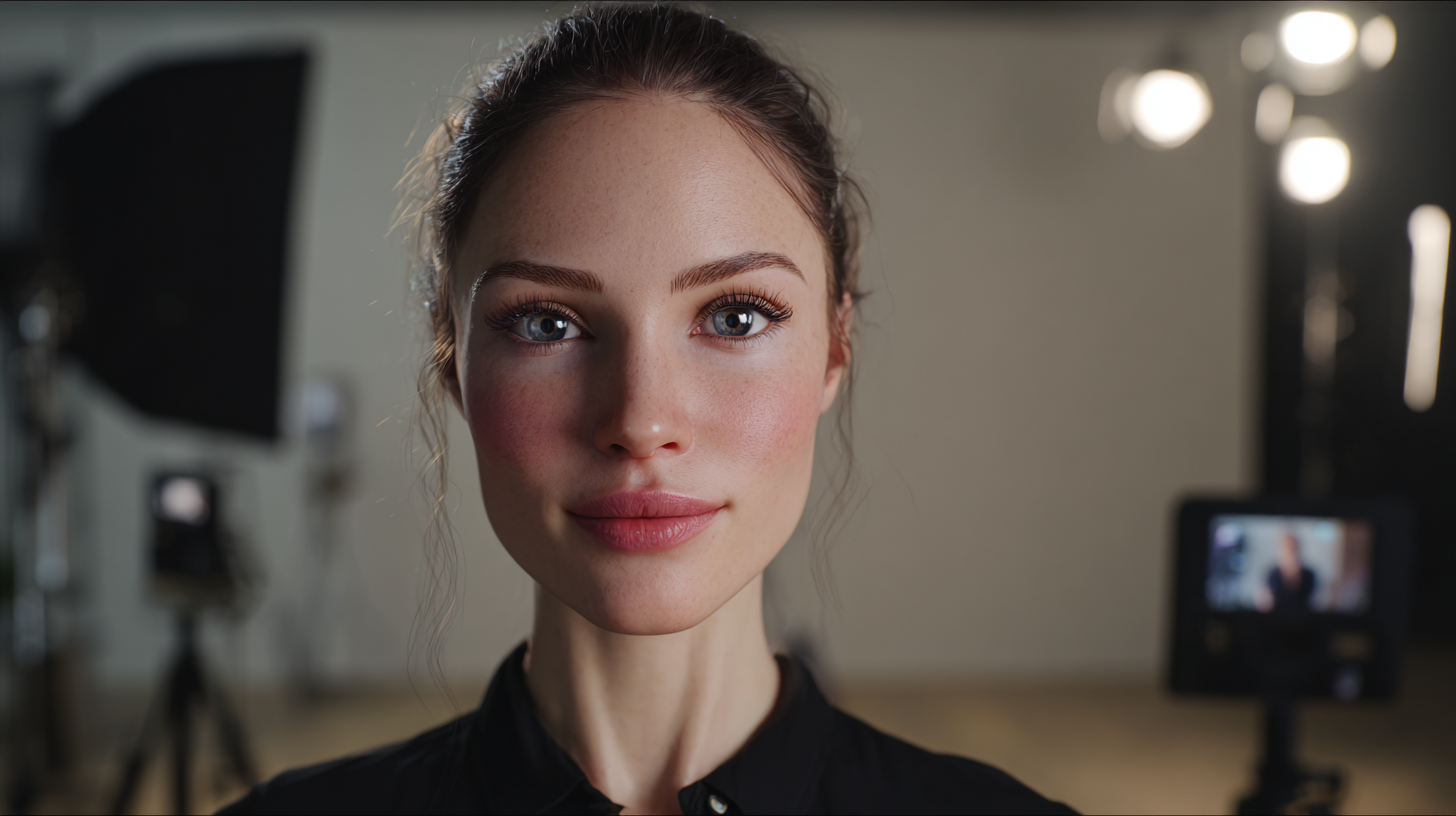
The strongest AI advertising campaigns are not prompt-only campaigns. They are hybrid campaigns where humans define the emotional territory and AI helps scale the execution. This matters because advertising still depends on taste, positioning, timing, and cultural relevance.
Speed: teams can produce more concepts, variations, and localized assets without starting from zero every time.
Consistency: approved visual systems, avatar behavior, and brand-language rules keep output aligned across channels.
Personalization: campaigns can adapt messages for different audiences, products, regions, and moments in the funnel.
Production efficiency: AI can support storyboarding, versioning, rough edits, voice options, and repeatable content formats.
Creative range: VFX, digital avatars, 3D environments, and motion graphics make campaigns feel more distinctive than template ads.
A hybrid process protects the work from the sameness that can happen when many brands use the same tools in the same way. The difference is not whether AI is involved. The difference is whether the campaign has a clear creative spine.
AI Advertising Workflow vs. Traditional Production
Traditional production often moves in a linear path: brief, concept, shoot, edit, approval, delivery. AI-assisted production is more iterative. Teams can test ideas earlier, adapt assets faster, and produce multiple versions once the campaign world is established.
Creative development: traditional workflows rely on fewer polished concepts; AI-assisted workflows can explore more directions before committing.
Asset creation: traditional shoots create fixed footage; AI workflows can extend campaigns with digital avatars, 3D scenes, animated product moments, and synthetic variations.
Localization: traditional localization often happens late; AI-assisted workflows can plan voice, language, visual, and cultural versions from the beginning.
Measurement: traditional reporting can be separated from production; AI workflows can use performance data to guide the next round of creative variants.
A strong hero film, TV commercial, or cinematic launch can anchor the campaign, while AI-assisted variants extend that idea across social, performance media, ecommerce, events, and support experiences.
Where AI Avatars, VFX, and 3D Fit Into the Campaign
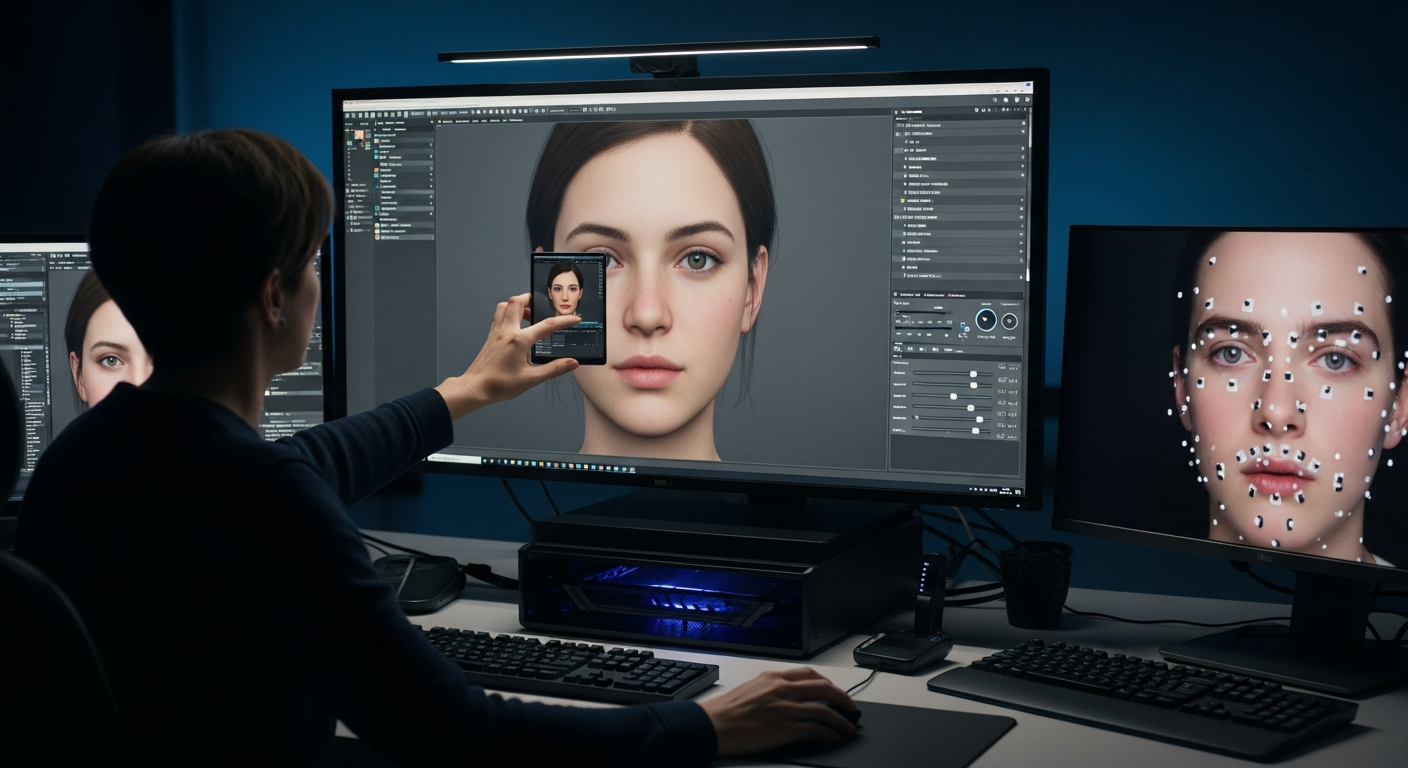
AI avatars, digital humans, VFX, and 3D assets are not just decorative production layers. They can become the campaign system itself. A brand ambassador can introduce a product, answer questions, appear in short videos, host live content, guide an immersive experience, or return as a recognizable personality across channels.
Mimic Advertising’s avatar-led advertising services are useful when a brand needs a repeatable face or character that can perform across regions and formats. A virtual influencer may lead social storytelling. A custom avatar may explain complex products. A digital brand ambassador may support interactive campaigns, events, and web experiences.
3D product modeling creates reusable assets for demos, configurators, social videos, and cinematic ads.
Motion capture gives digital characters believable movement and performance.
VFX and simulation add polish, spectacle, and physicality to ideas that would be expensive or impossible to film.
Virtual production connects real-world direction with flexible digital environments.
How the Workflow Supports the Customer Journey
AI advertising production works best when each asset has a job in the customer journey. Awareness content should create memory. Consideration content should answer questions. Conversion content should reduce friction. Retention content should keep the brand useful after the first interaction.
Discovery: cinematic videos, social teasers, virtual influencers, and motion graphics introduce the campaign world.
Consideration: product demos, explainer videos, digital humans, and conversational AI answer practical questions.
Purchase: personalized short-form ads, localized offers, and avatar-led recommendations support decisions.
Loyalty: returning characters, seasonal creative, and fresh content variants keep the brand familiar without becoming repetitive.
Industry Use Cases for AI-Powered Campaigns
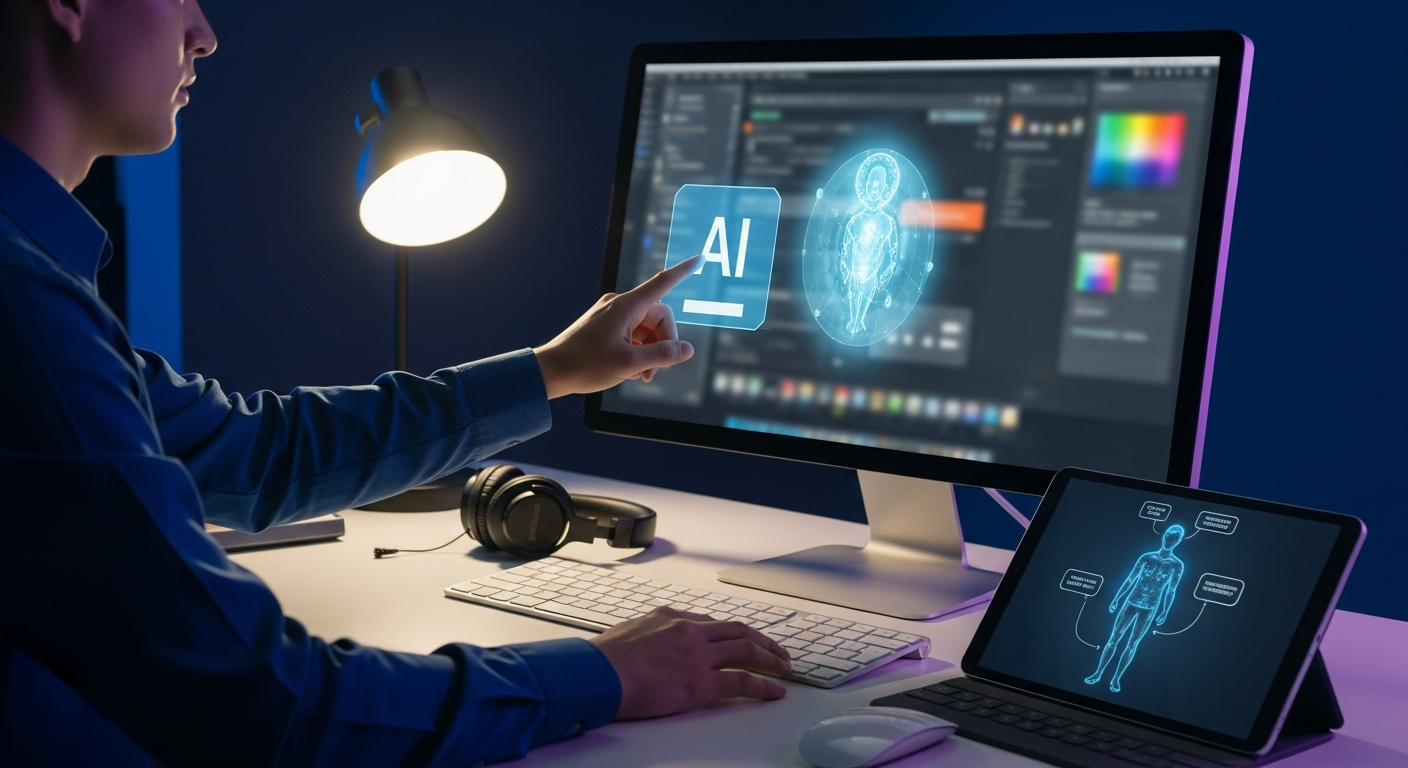
Different industries need different campaign systems. The same workflow can be adapted for entertainment, retail, mobility, health, fashion, education, events, and B2B technology, as long as the creative concept and data boundaries are designed for the audience.
Retail and ecommerce: AI avatars can explain products, demonstrate features, and adapt offers for social, web, and in-store screens.
Fashion and beauty: 3D assets, virtual influencers, and cinematic product moments can make launches more expressive and shareable.
Technology and B2B: motion graphics, product demos, and digital presenters can simplify complex solutions without flattening the brand.
Entertainment and events: virtual production, CGI characters, and interactive hosts can extend campaigns into live and immersive environments.
Health and wellbeing: carefully designed digital humans can guide education, FAQs, and support flows with a clear trust and privacy framework.
Data and Asset Checklist Before Production
Before a team scales creative with AI, it needs the right inputs. Weak inputs create generic outputs. Strong inputs create a production system that can stay on-brand while moving quickly.
Brand voice: approved messaging, personality traits, banned language, tone examples, and key claims.
Audience data: target segments, use cases, buying triggers, objections, and regional differences.
Creative assets: logos, product files, 3D models, footage, photography, animation references, and previous campaigns.
Avatar rules: character biography, visual identity, voice, movement style, consent rules, and approved knowledge base.
Measurement plan: campaign objectives, KPIs, attribution assumptions, test structure, and reporting cadence.
Mimic Advertising’s technology pipeline supports this because motion capture, 3D scanning, facial tracking, AI-driven avatar creation, and virtual production all depend on careful preparation.
Step-by-Step AI Advertising Production Plan

Step 1: Define the campaign objective, target audience, emotional promise, and measurable business outcome.
Step 2: Build the creative concept, narrative world, visual references, and channel map before generating assets.
Step 3: Decide which elements should be filmed, animated, built in 3D, generated, localized, or performed by an avatar.
Step 4: Create the core assets: hero video, digital character, 3D product scenes, motion graphics, voice options, and campaign copy.
Step 5: Generate controlled variations for social platforms, paid media, landing pages, events, and regional markets.
Step 6: Review every asset for brand accuracy, disclosure, rights, safety, accessibility, and cultural fit.
Step 7: Launch with a testing plan that compares hooks, formats, personas, calls to action, and audience segments.
The order matters. Teams that jump straight into generation often produce more content but less impact. Teams that start with strategy and then scale production can create more assets while still protecting the brand.
Mistakes That Make AI Ads Feel Generic
AI can make campaign production faster, but it can also make weak ideas more visible. The most common problem is not that AI looks bad. It is that the campaign feels like it could belong to anyone.
Starting with prompts before strategy, audience insight, or brand positioning.
Using AI avatars without a real character concept, movement style, voice, or role in the journey.
Creating too many variants without a clear testing question or performance hypothesis.
Ignoring localization until the final delivery stage.
Publishing synthetic content without reviewing rights, disclosures, claims, and customer trust expectations.
KPIs to Measure AI Advertising Performance
AI advertising should be measured by more than output volume. More videos, more images, and more variants are useful only if they improve business results or learning speed.
Creative efficiency: time from brief to approved assets, cost per usable variation, and review-cycle speed.
Attention quality: thumb-stop rate, average watch time, completion rate, and scroll-depth behavior.
Message clarity: click-through rate, landing page engagement, product demo views, and FAQ interaction.
Conversion impact: lead quality, sales lift, qualified inquiries, trial starts, or booking requests.
Brand consistency: approval pass rate, brand-safety incidents, sentiment, and recall.
The practical goal is a creative feedback loop. Campaign data should help the team decide what to refine, what to scale, and what to retire.
Responsible AI, Privacy, and Brand Trust
Responsible AI is part of production quality. When a campaign uses synthetic people, personalized experiences, conversational AI, or data-driven targeting, the brand needs clear rules for consent, disclosure, moderation, and customer data.
Make synthetic or avatar-led experiences clear when disclosure affects trust or user choice.
Use only approved knowledge sources for conversational AI and customer-support experiences.
Keep sensitive personal data out of creative generation workflows unless there is a lawful, documented reason.
Review claims, regulated topics, cultural context, and accessibility before launch.
Future Trends in AI Advertising Production
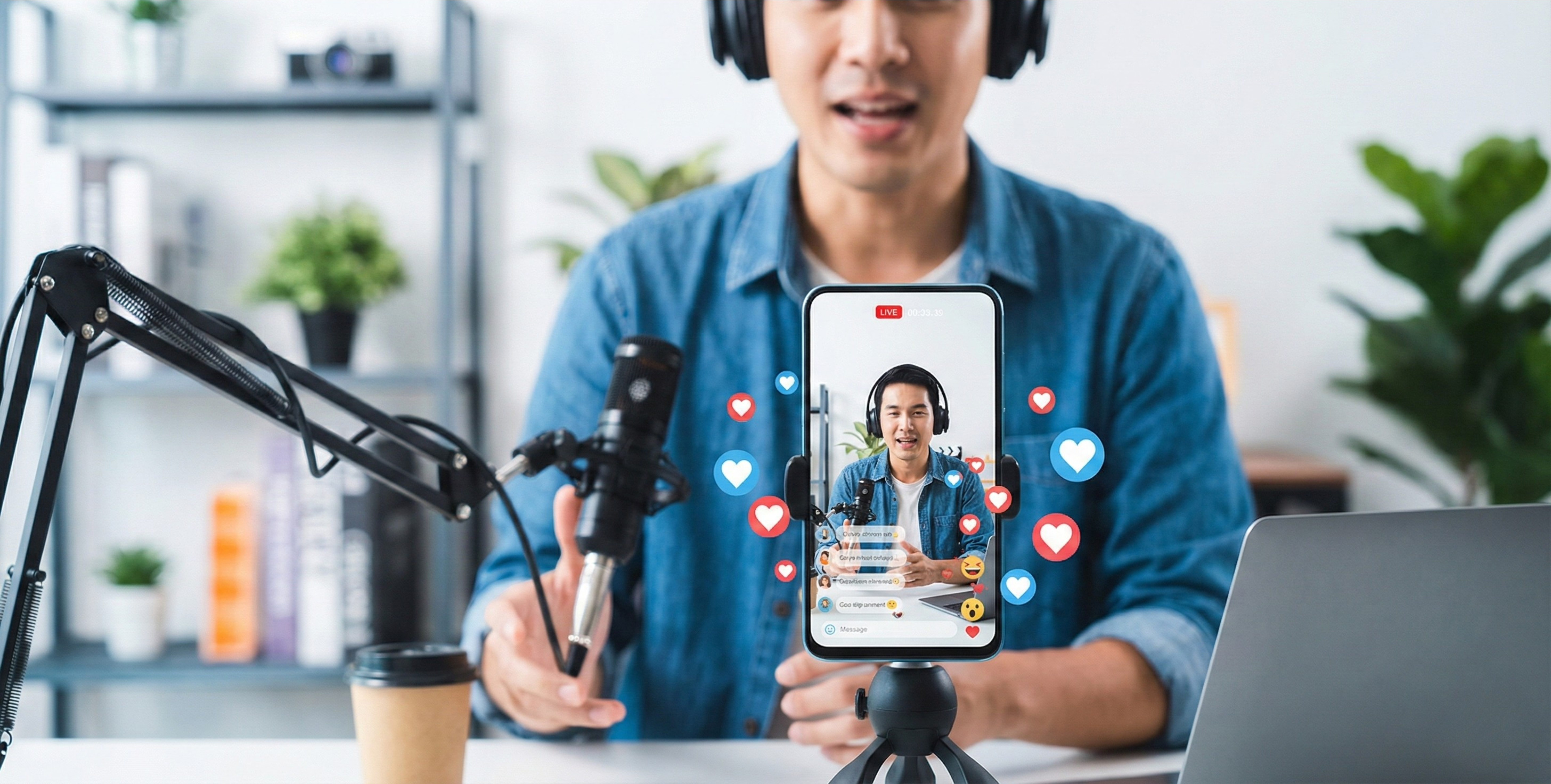
AI advertising production is moving toward connected creative systems. Brands will not only generate individual ads. They will build reusable worlds, digital characters, product assets, and performance learning loops that keep campaigns alive across many touchpoints.
Digital humans will become more common as brand guides, social presenters, product experts, and interactive campaign hosts.
3D product assets will be reused across ads, ecommerce, XR, configurators, and live experiences.
Localization will become more visual, adapting not only language but also pacing, format, examples, and cultural signals.
Human craft will become more valuable because distinct direction is what keeps AI-assisted campaigns from blending together.
FAQs
What is AI advertising production?
AI advertising production is the use of AI-assisted tools, human creative direction, and production technology to plan, create, adapt, and measure campaign assets across channels.
Does AI replace a creative production team?
No. AI can accelerate ideation, versioning, and localization, but a strong team is still needed for strategy, taste, storytelling, performance direction, brand safety, and final approval.
How can AI avatars be used in advertising?
AI avatars can act as digital brand ambassadors, virtual influencers, product explainers, customer-support guides, livestream hosts, or recurring characters in social and immersive campaigns.
What makes an AI ad feel premium instead of generic?
Premium AI advertising has a clear idea, strong art direction, brand-specific language, controlled assets, polished production, and human review. It does not rely on generic prompts alone.
Can AI advertising production support localization?
Yes. AI-assisted workflows can help adapt language, voice, pacing, visuals, aspect ratios, and cultural context for different regions while keeping the campaign idea consistent.
What assets are needed before starting an AI campaign?
Useful inputs include brand guidelines, audience insights, product files, 3D models, approved claims, visual references, campaign goals, localization requirements, and measurement criteria.
Is AI advertising suitable for B2B brands?
Yes. B2B brands can use AI-assisted motion graphics, digital presenters, product demos, explainers, and personalized campaign assets to make complex ideas easier to understand.
How should brands measure AI advertising?
Brands should measure creative efficiency, attention, engagement, conversion quality, brand consistency, localization performance, and the speed at which campaign learning improves future creative.
What privacy issues matter in AI advertising?
Brands should manage consent, disclosure, data minimization, approved knowledge sources, moderation, sensitive-topic handling, and clear escalation paths for interactive or personalized experiences.
Why work with a studio instead of only using AI ad tools?
A studio brings strategy, production craft, VFX, 3D, avatars, motion, editing, localization, and human judgment. Tools can generate assets, but a studio turns them into a coherent campaign system.
Conclusion
AI advertising production is most powerful when it is built around a real creative workflow. The technology can help teams scale content, adapt campaigns, and learn faster, but the campaign still needs a strong idea, a clear audience, polished production, and responsible review.
For brands ready to move beyond generic AI ads, the opportunity is to build a production system where storytelling, digital humans, VFX, 3D assets, localization, and data work together.
Need this service for your brand? Contact Mimic Advertising to plan an AI-powered campaign using creative production, digital avatars, VFX, 3D content, motion graphics, and platform-ready advertising assets.
AI advertising production is no longer just about generating a quick image or writing a faster caption. For brands that care about memory, trust, and performance, the real opportunity is building a repeatable workflow where strategy, storytelling, digital humans, VFX, 3D assets, localization, and campaign data work together.
That is where Mimic Advertising has an unusual advantage. The studio combines creative production, VFX and 3D, digital avatars, and advanced production technology into one campaign pipeline. Instead of treating AI as a shortcut, the workflow uses it as a creative multiplier.
This guide explains how an AI advertising production workflow helps teams create scalable campaigns without losing craft, brand voice, or measurable intent.
Table of Contents
What Is an AI Advertising Production Workflow?
An AI advertising production workflow is a structured process for planning, creating, adapting, and measuring campaign assets with AI-assisted tools and human creative direction. It does not replace the campaign idea. It helps teams move from one strong idea to many channel-ready versions with more speed and control.
The workflow begins with a brand objective, audience insight, offer, or story. From there, the team builds a concept, selects the right format, creates visual assets, generates or animates variations, reviews brand safety, localizes the content, and measures how each version performs. AI can help with ideation, scripting, versioning, personalization, and production acceleration, while directors, writers, designers, animators, and strategists protect the emotional point of the campaign.
For Mimic Advertising, the workflow is powerful because the studio already works across video, cinematic advertising, product demos, digital humans, motion capture, 3D scanning, virtual production, and Mimicverse experiences. That means AI is not isolated from craft. It is connected to a broader production system.
Why Brands Need a Hybrid AI and Human Creative Process
The strongest AI advertising campaigns are not prompt-only campaigns. They are hybrid campaigns where humans define the emotional territory and AI helps scale the execution. This matters because advertising still depends on taste, positioning, timing, and cultural relevance.
Speed: teams can produce more concepts, variations, and localized assets without starting from zero every time.
Consistency: approved visual systems, avatar behavior, and brand-language rules keep output aligned across channels.
Personalization: campaigns can adapt messages for different audiences, products, regions, and moments in the funnel.
Production efficiency: AI can support storyboarding, versioning, rough edits, voice options, and repeatable content formats.
Creative range: VFX, digital avatars, 3D environments, and motion graphics make campaigns feel more distinctive than template ads.
A hybrid process protects the work from the sameness that can happen when many brands use the same tools in the same way. The difference is not whether AI is involved. The difference is whether the campaign has a clear creative spine.
AI Advertising Workflow vs. Traditional Production
Traditional production often moves in a linear path: brief, concept, shoot, edit, approval, delivery. AI-assisted production is more iterative. Teams can test ideas earlier, adapt assets faster, and produce multiple versions once the campaign world is established.
Creative development: traditional workflows rely on fewer polished concepts; AI-assisted workflows can explore more directions before committing.
Asset creation: traditional shoots create fixed footage; AI workflows can extend campaigns with digital avatars, 3D scenes, animated product moments, and synthetic variations.
Localization: traditional localization often happens late; AI-assisted workflows can plan voice, language, visual, and cultural versions from the beginning.
Measurement: traditional reporting can be separated from production; AI workflows can use performance data to guide the next round of creative variants.
A strong hero film, TV commercial, or cinematic launch can anchor the campaign, while AI-assisted variants extend that idea across social, performance media, ecommerce, events, and support experiences.
Where AI Avatars, VFX, and 3D Fit Into the Campaign
AI avatars, digital humans, VFX, and 3D assets are not just decorative production layers. They can become the campaign system itself. A brand ambassador can introduce a product, answer questions, appear in short videos, host live content, guide an immersive experience, or return as a recognizable personality across channels.
Mimic Advertising’s avatar-led advertising services are useful when a brand needs a repeatable face or character that can perform across regions and formats. A virtual influencer may lead social storytelling. A custom avatar may explain complex products. A digital brand ambassador may support interactive campaigns, events, and web experiences.
3D product modeling creates reusable assets for demos, configurators, social videos, and cinematic ads.
Motion capture gives digital characters believable movement and performance.
VFX and simulation add polish, spectacle, and physicality to ideas that would be expensive or impossible to film.
Virtual production connects real-world direction with flexible digital environments.
How the Workflow Supports the Customer Journey
AI advertising production works best when each asset has a job in the customer journey. Awareness content should create memory. Consideration content should answer questions. Conversion content should reduce friction. Retention content should keep the brand useful after the first interaction.
Discovery: cinematic videos, social teasers, virtual influencers, and motion graphics introduce the campaign world.
Consideration: product demos, explainer videos, digital humans, and conversational AI answer practical questions.
Purchase: personalized short-form ads, localized offers, and avatar-led recommendations support decisions.
Loyalty: returning characters, seasonal creative, and fresh content variants keep the brand familiar without becoming repetitive.
Industry Use Cases for AI-Powered Campaigns
Different industries need different campaign systems. The same workflow can be adapted for entertainment, retail, mobility, health, fashion, education, events, and B2B technology, as long as the creative concept and data boundaries are designed for the audience.
Retail and ecommerce: AI avatars can explain products, demonstrate features, and adapt offers for social, web, and in-store screens.
Fashion and beauty: 3D assets, virtual influencers, and cinematic product moments can make launches more expressive and shareable.
Technology and B2B: motion graphics, product demos, and digital presenters can simplify complex solutions without flattening the brand.
Entertainment and events: virtual production, CGI characters, and interactive hosts can extend campaigns into live and immersive environments.
Health and wellbeing: carefully designed digital humans can guide education, FAQs, and support flows with a clear trust and privacy framework.
Data and Asset Checklist Before Production
Before a team scales creative with AI, it needs the right inputs. Weak inputs create generic outputs. Strong inputs create a production system that can stay on-brand while moving quickly.
Brand voice: approved messaging, personality traits, banned language, tone examples, and key claims.
Audience data: target segments, use cases, buying triggers, objections, and regional differences.
Creative assets: logos, product files, 3D models, footage, photography, animation references, and previous campaigns.
Avatar rules: character biography, visual identity, voice, movement style, consent rules, and approved knowledge base.
Measurement plan: campaign objectives, KPIs, attribution assumptions, test structure, and reporting cadence.
Mimic Advertising’s technology pipeline supports this because motion capture, 3D scanning, facial tracking, AI-driven avatar creation, and virtual production all depend on careful preparation.
Step-by-Step AI Advertising Production Plan
Step 1: Define the campaign objective, target audience, emotional promise, and measurable business outcome.
Step 2: Build the creative concept, narrative world, visual references, and channel map before generating assets.
Step 3: Decide which elements should be filmed, animated, built in 3D, generated, localized, or performed by an avatar.
Step 4: Create the core assets: hero video, digital character, 3D product scenes, motion graphics, voice options, and campaign copy.
Step 5: Generate controlled variations for social platforms, paid media, landing pages, events, and regional markets.
Step 6: Review every asset for brand accuracy, disclosure, rights, safety, accessibility, and cultural fit.
Step 7: Launch with a testing plan that compares hooks, formats, personas, calls to action, and audience segments.
The order matters. Teams that jump straight into generation often produce more content but less impact. Teams that start with strategy and then scale production can create more assets while still protecting the brand.
Mistakes That Make AI Ads Feel Generic
AI can make campaign production faster, but it can also make weak ideas more visible. The most common problem is not that AI looks bad. It is that the campaign feels like it could belong to anyone.
Starting with prompts before strategy, audience insight, or brand positioning.
Using AI avatars without a real character concept, movement style, voice, or role in the journey.
Creating too many variants without a clear testing question or performance hypothesis.
Ignoring localization until the final delivery stage.
Publishing synthetic content without reviewing rights, disclosures, claims, and customer trust expectations.
KPIs to Measure AI Advertising Performance
AI advertising should be measured by more than output volume. More videos, more images, and more variants are useful only if they improve business results or learning speed.
Creative efficiency: time from brief to approved assets, cost per usable variation, and review-cycle speed.
Attention quality: thumb-stop rate, average watch time, completion rate, and scroll-depth behavior.
Message clarity: click-through rate, landing page engagement, product demo views, and FAQ interaction.
Conversion impact: lead quality, sales lift, qualified inquiries, trial starts, or booking requests.
Brand consistency: approval pass rate, brand-safety incidents, sentiment, and recall.
The practical goal is a creative feedback loop. Campaign data should help the team decide what to refine, what to scale, and what to retire.
Responsible AI, Privacy, and Brand Trust
Responsible AI is part of production quality. When a campaign uses synthetic people, personalized experiences, conversational AI, or data-driven targeting, the brand needs clear rules for consent, disclosure, moderation, and customer data.
Make synthetic or avatar-led experiences clear when disclosure affects trust or user choice.
Use only approved knowledge sources for conversational AI and customer-support experiences.
Keep sensitive personal data out of creative generation workflows unless there is a lawful, documented reason.
Review claims, regulated topics, cultural context, and accessibility before launch.
Future Trends in AI Advertising Production
AI advertising production is moving toward connected creative systems. Brands will not only generate individual ads. They will build reusable worlds, digital characters, product assets, and performance learning loops that keep campaigns alive across many touchpoints.
Digital humans will become more common as brand guides, social presenters, product experts, and interactive campaign hosts.
3D product assets will be reused across ads, ecommerce, XR, configurators, and live experiences.
Localization will become more visual, adapting not only language but also pacing, format, examples, and cultural signals.
Human craft will become more valuable because distinct direction is what keeps AI-assisted campaigns from blending together.
FAQs
What is AI advertising production?
AI advertising production is the use of AI-assisted tools, human creative direction, and production technology to plan, create, adapt, and measure campaign assets across channels.
Does AI replace a creative production team?
No. AI can accelerate ideation, versioning, and localization, but a strong team is still needed for strategy, taste, storytelling, performance direction, brand safety, and final approval.
How can AI avatars be used in advertising?
AI avatars can act as digital brand ambassadors, virtual influencers, product explainers, customer-support guides, livestream hosts, or recurring characters in social and immersive campaigns.
What makes an AI ad feel premium instead of generic?
Premium AI advertising has a clear idea, strong art direction, brand-specific language, controlled assets, polished production, and human review. It does not rely on generic prompts alone.
Can AI advertising production support localization?
Yes. AI-assisted workflows can help adapt language, voice, pacing, visuals, aspect ratios, and cultural context for different regions while keeping the campaign idea consistent.
What assets are needed before starting an AI campaign?
Useful inputs include brand guidelines, audience insights, product files, 3D models, approved claims, visual references, campaign goals, localization requirements, and measurement criteria.
Is AI advertising suitable for B2B brands?
Yes. B2B brands can use AI-assisted motion graphics, digital presenters, product demos, explainers, and personalized campaign assets to make complex ideas easier to understand.
How should brands measure AI advertising?
Brands should measure creative efficiency, attention, engagement, conversion quality, brand consistency, localization performance, and the speed at which campaign learning improves future creative.
What privacy issues matter in AI advertising?
Brands should manage consent, disclosure, data minimization, approved knowledge sources, moderation, sensitive-topic handling, and clear escalation paths for interactive or personalized experiences.
Why work with a studio instead of only using AI ad tools?
A studio brings strategy, production craft, VFX, 3D, avatars, motion, editing, localization, and human judgment. Tools can generate assets, but a studio turns them into a coherent campaign system.
Conclusion
AI advertising production is most powerful when it is built around a real creative workflow. The technology can help teams scale content, adapt campaigns, and learn faster, but the campaign still needs a strong idea, a clear audience, polished production, and responsible review.
For brands ready to move beyond generic AI ads, the opportunity is to build a production system where storytelling, digital humans, VFX, 3D assets, localization, and data work together.
Need this service for your brand? Contact Mimic Advertising to plan an AI-powered campaign using creative production, digital avatars, VFX, 3D content, motion graphics, and platform-ready advertising assets.