
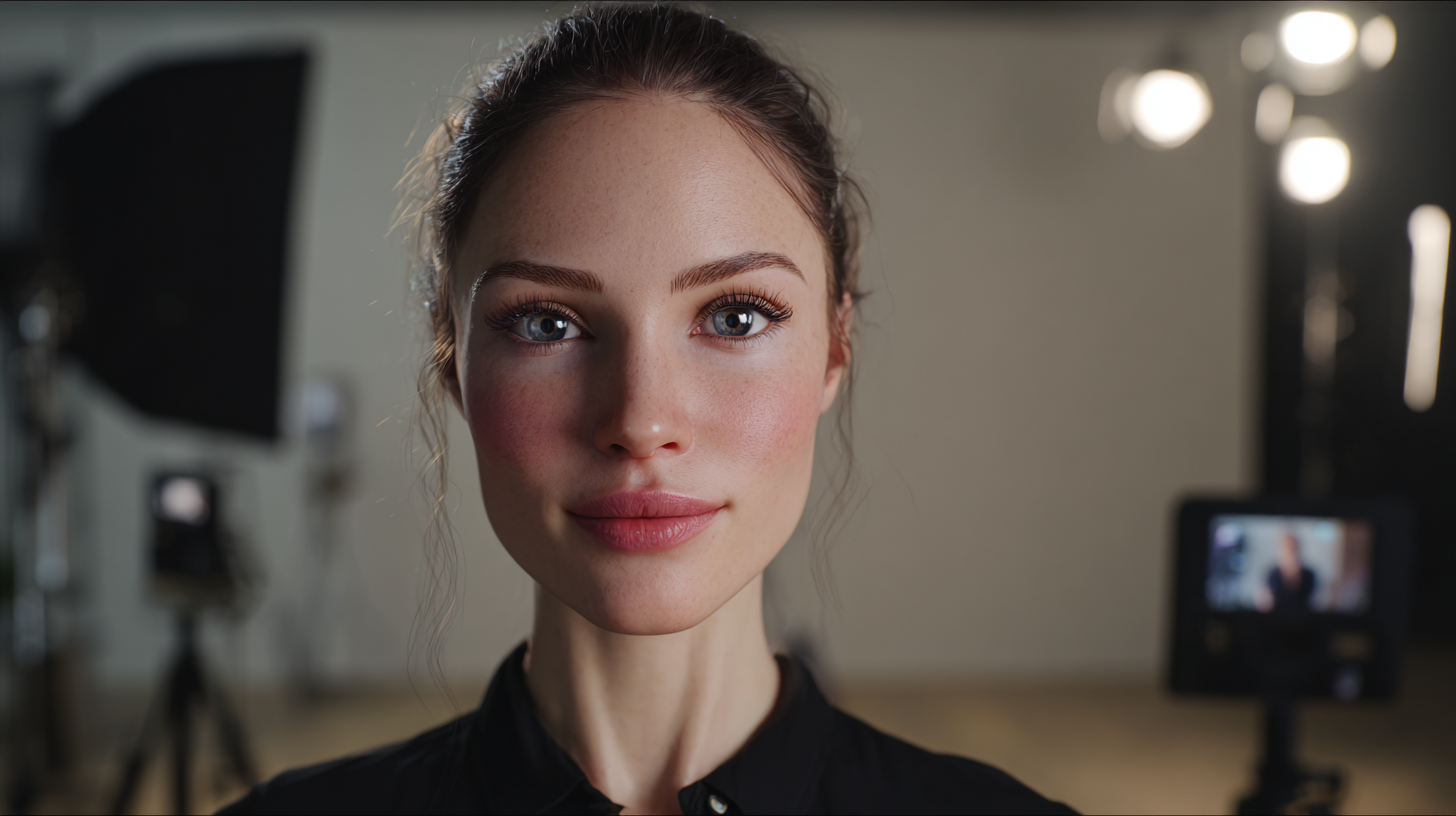
Virtual influencers in advertising are moving from novelty experiments to practical brand systems. A well-built AI brand ambassador can host product explainers, appear in social videos, guide customers through interactive campaigns, support localization, and keep a consistent voice across many touchpoints.
The opportunity is not simply to replace a human spokesperson. The stronger opportunity is to create a believable digital character with a clear role, strong creative direction, transparent usage rules, and measurable campaign purpose. That is where AI avatars become useful for brands rather than just impressive to look at.
Mimic Advertising combines digital avatars, creative production, VFX and 3D, and advanced production technology to help brands turn synthetic characters into campaign assets that feel intentional, useful, and brand-safe.
Table of Contents
What Virtual Influencers Mean for Modern Advertising
A virtual influencer is a designed digital personality that can appear in content, speak for a brand, participate in stories, and build recognition over time. Some are stylized characters. Others are photorealistic digital humans. In advertising, the strongest version is not a random synthetic face; it is a planned communication asset with a job to do.
That job may be to introduce a product, explain a feature, answer questions, host a launch, appear in repeatable short-form content, or guide a viewer through an interactive experience. When the character is built with consistent identity, voice, expressions, and use rules, it can become a recognizable brand ambassador rather than a one-off campaign visual.
This is closely connected to AI avatars for social media ads, but it goes one layer deeper. A virtual influencer strategy defines character purpose, governance, performance goals, and content rhythm before production begins.

Benefits for Brands and Campaign Teams
Virtual influencers help brands solve a real production challenge: audiences expect more content, in more formats, across more channels, without losing quality or brand consistency. A digital ambassador can be designed once, refined carefully, and reused across campaign moments where a human spokesperson, product expert, or social host would be valuable.
Scalable storytelling: one character can support launch films, paid social, explainers, livestream segments, and website content.
Creative control: wardrobe, voice, set design, performance, lighting, and message can stay aligned with brand standards.
Faster versioning: campaign teams can adapt language, offer, product focus, or market context without rebuilding from zero.
Long-term asset value: the same avatar, 3D assets, and campaign world can support future creative production.
The value increases when a virtual influencer is connected to AI-powered brand storytelling and a production workflow that includes scripting, performance direction, VFX, localization, and measurement.
Virtual Influencer vs Human Influencer vs AI Avatar
Brands should not treat every synthetic character as the same thing. A human influencer brings lived experience, personal audience trust, and cultural nuance. A virtual influencer brings control, repeatability, and creative world-building. An AI avatar may be a broader technology layer used for videos, interactive experiences, or customer support.
Human influencer: best for personal credibility, community trust, and real-life endorsement when authenticity is central.
Virtual influencer: best for brand-controlled stories, fictional worlds, repeatable content, and high visual consistency.
AI brand ambassador: best when the character has an ongoing business role, such as product education, campaign hosting, guided interaction, or localized messaging.
Hybrid approach: often strongest when real creators, brand teams, and digital characters each play a clear role instead of competing for the same kind of trust.
Customer Journey Opportunities
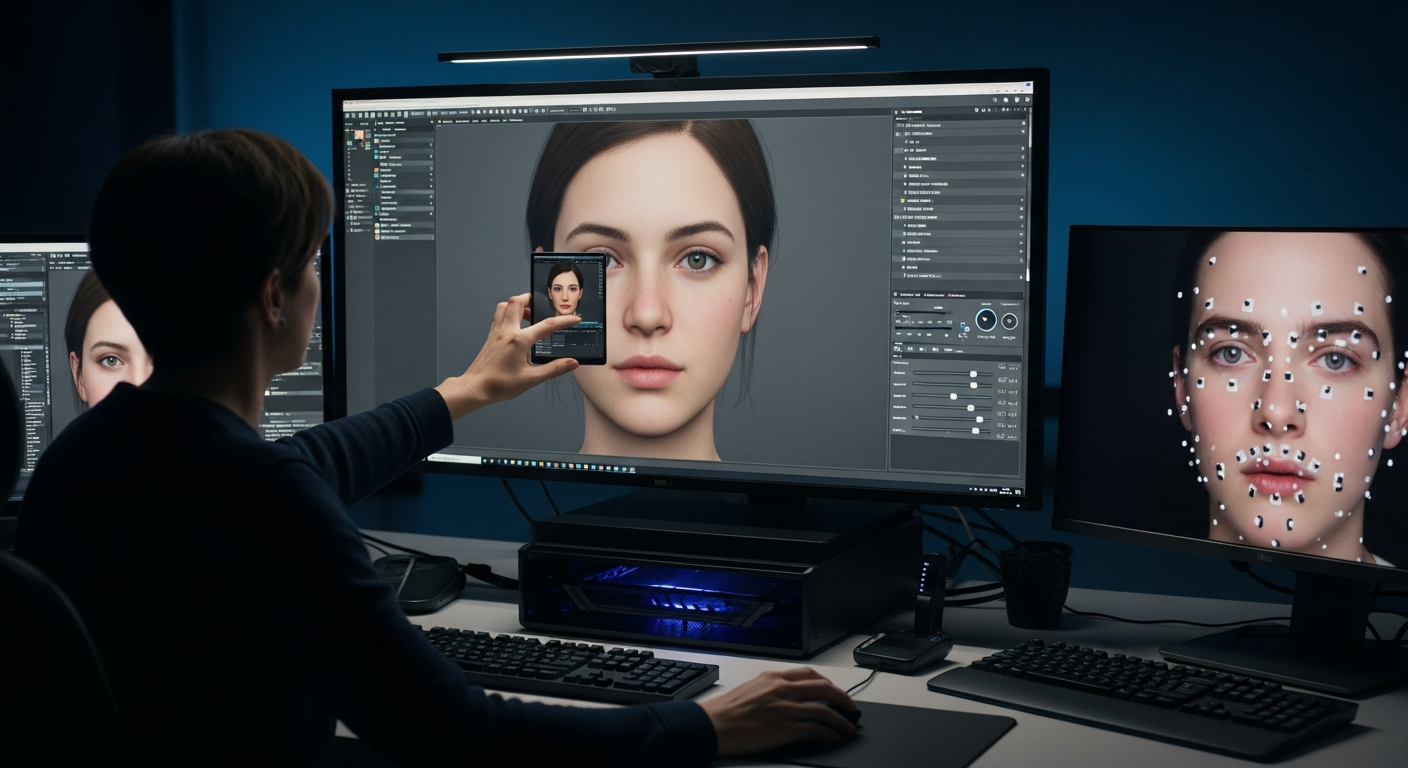
A virtual influencer becomes more useful when it is mapped to the customer journey. The same character should not do everything. Instead, the campaign team can define where a digital human adds clarity, energy, or reassurance.
Discovery: use short-form videos, cinematic hooks, and social-first content to introduce the brand world.
Consideration: let the avatar explain product features, campaign ideas, service value, or complex technology in simple language.
Conversion: adapt scripts for audience segment, offer, market, or platform while keeping the same recognizable presenter.
Retention: use recurring digital hosts for onboarding, customer education, updates, community moments, or product tips.
This connects naturally to conversational AI for customer support when the goal moves from one-way content to guided interaction. A digital ambassador can introduce the experience, while a carefully governed AI layer handles answers, handoffs, and knowledge boundaries.
Industry-Specific Use Cases
Different sectors need different types of digital ambassadors. The best character design starts with the customer context, not the render style.
Consumer products: product demos, launch explainers, unboxing-style videos, and localized social campaigns.
Fashion and beauty: virtual try-on hosts, style guides, campaign characters, and always-on social content.
Technology and SaaS: product walkthroughs, feature education, onboarding sequences, and event presenters.
Entertainment and culture: fictional brand worlds, episodic storytelling, fan engagement, and interactive experiences.
B2B services: clearer explanation of abstract offers through recurring expert characters and visual case narratives.
Data and Asset Checklist
A virtual influencer campaign needs more than a good-looking model. Before production begins, gather the inputs that define how the character behaves, where it appears, what it may say, and how success will be measured.
Brand foundation: personality, tone of voice, visual identity, values, claims, and prohibited messages.
Character bible: name, role, backstory, visual style, wardrobe, behaviors, expressions, and relationship to the brand.
Production assets: 3D model, rig, textures, motion references, voice direction, set references, and format requirements.
Campaign data: audience segments, platform goals, product priorities, localization needs, and approval workflow.
Trust rules: disclosure language, rights documentation, human review, moderation policy, and escalation paths.
Implementation Workflow
The strongest AI brand ambassador projects follow a staged workflow. This prevents the character from becoming a disconnected visual asset with no strategy behind it.
Define the business role: choose whether the ambassador drives awareness, education, conversion, support, or retention.
Design the character system: align identity, visual style, speech, motion, and content boundaries with the brand.
Build production-ready assets: create the model, rig, lighting approach, environments, and repeatable motion or capture setup.
Plan the content calendar: map hero content, short-form edits, product explainers, localized scripts, and testing variants.
Review and optimize: track campaign results, audience feedback, trust signals, and production efficiency before scaling.
This approach fits naturally into an AI advertising production workflow where strategy, 3D production, VFX, social formats, localization, and measurement are connected from the beginning.

Mistakes to Avoid
The fastest way to weaken a virtual influencer campaign is to let the technology lead every decision. The character may look advanced, but audiences judge the message, trustworthiness, usefulness, and emotional fit.
Launching without a character role, content purpose, or audience reason to care.
Overpromising authenticity while hiding synthetic production from viewers.
Using a generic AI face that does not connect to the brand’s identity, market, or product story.
Treating every platform the same instead of adapting pacing, framing, captions, and call-to-action.
Ignoring rights, consent, moderation, cultural review, accessibility, and data boundaries until launch week.
KPIs for AI Brand Ambassador Campaigns
A virtual influencer should be measured like a campaign system, not just a creative experiment. Combine brand, content, production, and trust metrics so the team can see whether the character is helping the business.
Attention metrics: thumb-stop rate, view-through rate, watch time, completion rate, and repeat engagement.
Brand metrics: recall, sentiment, message association, comment quality, and audience trust indicators.
Conversion metrics: click-through rate, lead quality, demo requests, add-to-cart behavior, or booked calls.
Production metrics: asset reuse, versioning speed, localization efficiency, approval time, and cost per usable asset.
Governance metrics: disclosure compliance, moderation incidents, claim review outcomes, and customer support handoffs.
Responsible AI, Disclosure, and Brand Trust
Virtual influencers are powerful because they can look human, speak naturally, and appear often. That power creates responsibility. Audiences should not feel tricked, and brands should not use synthetic characters in ways that blur endorsements, lived experience, or product claims.
Responsible AI planning should cover disclosure, likeness rights, data sources, moderation, accessibility, representation, and regional rules. It should also define when a human team reviews scripts, approves claims, and steps into live customer conversations.
For brands using technology-led advertising production, trust is part of the creative result. A transparent character with a clear role can be more accepted than a hyperrealistic avatar pretending to be a real customer.
Future Trends
The next wave of virtual influencers will be less about isolated social profiles and more about connected brand experiences. Digital humans will appear in commercials, product explainers, ecommerce journeys, XR activations, livestreams, and customer education content.
Recurring digital brand ambassadors will support campaigns across paid media, owned channels, events, and interactive platforms.
Virtual production will make it easier to place the same character inside different environments, products, and story worlds.
Localization will move beyond translated subtitles into character delivery, cultural context, product examples, and offer versions.
Performance learning will shape future scripts, scenes, gestures, audience segments, and content formats.
This is where virtual production for advertising becomes important. The character, environment, product assets, motion, and social edits can all belong to the same reusable campaign ecosystem.
FAQs
What is a virtual influencer in advertising?
A virtual influencer is a designed digital personality used in brand content, social campaigns, product explainers, and interactive experiences. It can be stylized or photorealistic, but it should have a clear brand role.
How is an AI brand ambassador different from an AI avatar?
An AI avatar is the digital character or interface. An AI brand ambassador is the strategic use of that character across campaigns, customer education, social content, and brand storytelling.
Do virtual influencers replace human influencers?
Usually no. Human influencers bring personal trust and lived experience. Virtual influencers are better for brand-controlled storytelling, repeatable assets, fictional worlds, and scalable product education.
Which brands can use virtual influencers?
Consumer products, fashion, beauty, technology, entertainment, ecommerce, B2B services, and event-driven brands can use virtual influencers when the character has a clear purpose and audience fit.
What assets are needed to create a virtual influencer?
Useful inputs include brand guidelines, a character bible, 3D model or visual references, motion direction, voice style, content goals, platform formats, rights documentation, and approval rules.
Should brands disclose AI-generated influencers?
Yes, disclosure is often important for audience trust, regulatory readiness, and ethical communication. The exact language depends on the market, platform, content type, and campaign context.
How do you measure virtual influencer performance?
Measure attention, engagement, brand recall, sentiment, click-through rate, lead quality, conversion behavior, asset reuse, localization efficiency, and governance outcomes.
Why work with a specialist studio for AI brand ambassadors?
A specialist studio connects strategy, character design, 3D modeling, motion capture, VFX, scripting, localization, production quality, and responsible AI review so the ambassador is campaign-ready.
Conclusion
Virtual influencers in advertising work best when they are built as trusted campaign systems, not isolated AI experiments. The character needs a clear role, strong creative direction, audience fit, repeatable production assets, and responsible disclosure rules.
For brands, the advantage is long-term. A digital ambassador can support social storytelling, product education, virtual production, localization, customer engagement, and measurable campaign learning without losing brand consistency.
Need this service for your brand? Contact Mimic Advertising to design AI brand ambassadors, virtual influencers, digital humans, and campaign-ready avatar content with strategy, VFX, 3D, and responsible production built in.
Virtual influencers in advertising are moving from novelty experiments to practical brand systems. A well-built AI brand ambassador can host product explainers, appear in social videos, guide customers through interactive campaigns, support localization, and keep a consistent voice across many touchpoints.
The opportunity is not simply to replace a human spokesperson. The stronger opportunity is to create a believable digital character with a clear role, strong creative direction, transparent usage rules, and measurable campaign purpose. That is where AI avatars become useful for brands rather than just impressive to look at.
Mimic Advertising combines digital avatars, creative production, VFX and 3D, and advanced production technology to help brands turn synthetic characters into campaign assets that feel intentional, useful, and brand-safe.
Table of Contents
What Virtual Influencers Mean for Modern Advertising
A virtual influencer is a designed digital personality that can appear in content, speak for a brand, participate in stories, and build recognition over time. Some are stylized characters. Others are photorealistic digital humans. In advertising, the strongest version is not a random synthetic face; it is a planned communication asset with a job to do.
That job may be to introduce a product, explain a feature, answer questions, host a launch, appear in repeatable short-form content, or guide a viewer through an interactive experience. When the character is built with consistent identity, voice, expressions, and use rules, it can become a recognizable brand ambassador rather than a one-off campaign visual.
This is closely connected to AI avatars for social media ads, but it goes one layer deeper. A virtual influencer strategy defines character purpose, governance, performance goals, and content rhythm before production begins.
Benefits for Brands and Campaign Teams
Virtual influencers help brands solve a real production challenge: audiences expect more content, in more formats, across more channels, without losing quality or brand consistency. A digital ambassador can be designed once, refined carefully, and reused across campaign moments where a human spokesperson, product expert, or social host would be valuable.
Scalable storytelling: one character can support launch films, paid social, explainers, livestream segments, and website content.
Creative control: wardrobe, voice, set design, performance, lighting, and message can stay aligned with brand standards.
Faster versioning: campaign teams can adapt language, offer, product focus, or market context without rebuilding from zero.
Long-term asset value: the same avatar, 3D assets, and campaign world can support future creative production.
The value increases when a virtual influencer is connected to AI-powered brand storytelling and a production workflow that includes scripting, performance direction, VFX, localization, and measurement.
Virtual Influencer vs Human Influencer vs AI Avatar
Brands should not treat every synthetic character as the same thing. A human influencer brings lived experience, personal audience trust, and cultural nuance. A virtual influencer brings control, repeatability, and creative world-building. An AI avatar may be a broader technology layer used for videos, interactive experiences, or customer support.
Human influencer: best for personal credibility, community trust, and real-life endorsement when authenticity is central.
Virtual influencer: best for brand-controlled stories, fictional worlds, repeatable content, and high visual consistency.
AI brand ambassador: best when the character has an ongoing business role, such as product education, campaign hosting, guided interaction, or localized messaging.
Hybrid approach: often strongest when real creators, brand teams, and digital characters each play a clear role instead of competing for the same kind of trust.
Customer Journey Opportunities
A virtual influencer becomes more useful when it is mapped to the customer journey. The same character should not do everything. Instead, the campaign team can define where a digital human adds clarity, energy, or reassurance.
Discovery: use short-form videos, cinematic hooks, and social-first content to introduce the brand world.
Consideration: let the avatar explain product features, campaign ideas, service value, or complex technology in simple language.
Conversion: adapt scripts for audience segment, offer, market, or platform while keeping the same recognizable presenter.
Retention: use recurring digital hosts for onboarding, customer education, updates, community moments, or product tips.
This connects naturally to conversational AI for customer support when the goal moves from one-way content to guided interaction. A digital ambassador can introduce the experience, while a carefully governed AI layer handles answers, handoffs, and knowledge boundaries.
Industry-Specific Use Cases
Different sectors need different types of digital ambassadors. The best character design starts with the customer context, not the render style.
Consumer products: product demos, launch explainers, unboxing-style videos, and localized social campaigns.
Fashion and beauty: virtual try-on hosts, style guides, campaign characters, and always-on social content.
Technology and SaaS: product walkthroughs, feature education, onboarding sequences, and event presenters.
Entertainment and culture: fictional brand worlds, episodic storytelling, fan engagement, and interactive experiences.
B2B services: clearer explanation of abstract offers through recurring expert characters and visual case narratives.
Data and Asset Checklist
A virtual influencer campaign needs more than a good-looking model. Before production begins, gather the inputs that define how the character behaves, where it appears, what it may say, and how success will be measured.
Brand foundation: personality, tone of voice, visual identity, values, claims, and prohibited messages.
Character bible: name, role, backstory, visual style, wardrobe, behaviors, expressions, and relationship to the brand.
Production assets: 3D model, rig, textures, motion references, voice direction, set references, and format requirements.
Campaign data: audience segments, platform goals, product priorities, localization needs, and approval workflow.
Trust rules: disclosure language, rights documentation, human review, moderation policy, and escalation paths.
Implementation Workflow
The strongest AI brand ambassador projects follow a staged workflow. This prevents the character from becoming a disconnected visual asset with no strategy behind it.
Define the business role: choose whether the ambassador drives awareness, education, conversion, support, or retention.
Design the character system: align identity, visual style, speech, motion, and content boundaries with the brand.
Build production-ready assets: create the model, rig, lighting approach, environments, and repeatable motion or capture setup.
Plan the content calendar: map hero content, short-form edits, product explainers, localized scripts, and testing variants.
Review and optimize: track campaign results, audience feedback, trust signals, and production efficiency before scaling.
This approach fits naturally into an AI advertising production workflow where strategy, 3D production, VFX, social formats, localization, and measurement are connected from the beginning.
Mistakes to Avoid
The fastest way to weaken a virtual influencer campaign is to let the technology lead every decision. The character may look advanced, but audiences judge the message, trustworthiness, usefulness, and emotional fit.
Launching without a character role, content purpose, or audience reason to care.
Overpromising authenticity while hiding synthetic production from viewers.
Using a generic AI face that does not connect to the brand’s identity, market, or product story.
Treating every platform the same instead of adapting pacing, framing, captions, and call-to-action.
Ignoring rights, consent, moderation, cultural review, accessibility, and data boundaries until launch week.
KPIs for AI Brand Ambassador Campaigns
A virtual influencer should be measured like a campaign system, not just a creative experiment. Combine brand, content, production, and trust metrics so the team can see whether the character is helping the business.
Attention metrics: thumb-stop rate, view-through rate, watch time, completion rate, and repeat engagement.
Brand metrics: recall, sentiment, message association, comment quality, and audience trust indicators.
Conversion metrics: click-through rate, lead quality, demo requests, add-to-cart behavior, or booked calls.
Production metrics: asset reuse, versioning speed, localization efficiency, approval time, and cost per usable asset.
Governance metrics: disclosure compliance, moderation incidents, claim review outcomes, and customer support handoffs.
Responsible AI, Disclosure, and Brand Trust
Virtual influencers are powerful because they can look human, speak naturally, and appear often. That power creates responsibility. Audiences should not feel tricked, and brands should not use synthetic characters in ways that blur endorsements, lived experience, or product claims.
Responsible AI planning should cover disclosure, likeness rights, data sources, moderation, accessibility, representation, and regional rules. It should also define when a human team reviews scripts, approves claims, and steps into live customer conversations.
For brands using technology-led advertising production, trust is part of the creative result. A transparent character with a clear role can be more accepted than a hyperrealistic avatar pretending to be a real customer.
Future Trends
The next wave of virtual influencers will be less about isolated social profiles and more about connected brand experiences. Digital humans will appear in commercials, product explainers, ecommerce journeys, XR activations, livestreams, and customer education content.
Recurring digital brand ambassadors will support campaigns across paid media, owned channels, events, and interactive platforms.
Virtual production will make it easier to place the same character inside different environments, products, and story worlds.
Localization will move beyond translated subtitles into character delivery, cultural context, product examples, and offer versions.
Performance learning will shape future scripts, scenes, gestures, audience segments, and content formats.
This is where virtual production for advertising becomes important. The character, environment, product assets, motion, and social edits can all belong to the same reusable campaign ecosystem.
FAQs
What is a virtual influencer in advertising?
A virtual influencer is a designed digital personality used in brand content, social campaigns, product explainers, and interactive experiences. It can be stylized or photorealistic, but it should have a clear brand role.
How is an AI brand ambassador different from an AI avatar?
An AI avatar is the digital character or interface. An AI brand ambassador is the strategic use of that character across campaigns, customer education, social content, and brand storytelling.
Do virtual influencers replace human influencers?
Usually no. Human influencers bring personal trust and lived experience. Virtual influencers are better for brand-controlled storytelling, repeatable assets, fictional worlds, and scalable product education.
Which brands can use virtual influencers?
Consumer products, fashion, beauty, technology, entertainment, ecommerce, B2B services, and event-driven brands can use virtual influencers when the character has a clear purpose and audience fit.
What assets are needed to create a virtual influencer?
Useful inputs include brand guidelines, a character bible, 3D model or visual references, motion direction, voice style, content goals, platform formats, rights documentation, and approval rules.
Should brands disclose AI-generated influencers?
Yes, disclosure is often important for audience trust, regulatory readiness, and ethical communication. The exact language depends on the market, platform, content type, and campaign context.
How do you measure virtual influencer performance?
Measure attention, engagement, brand recall, sentiment, click-through rate, lead quality, conversion behavior, asset reuse, localization efficiency, and governance outcomes.
Why work with a specialist studio for AI brand ambassadors?
A specialist studio connects strategy, character design, 3D modeling, motion capture, VFX, scripting, localization, production quality, and responsible AI review so the ambassador is campaign-ready.
Conclusion
Virtual influencers in advertising work best when they are built as trusted campaign systems, not isolated AI experiments. The character needs a clear role, strong creative direction, audience fit, repeatable production assets, and responsible disclosure rules.
For brands, the advantage is long-term. A digital ambassador can support social storytelling, product education, virtual production, localization, customer engagement, and measurable campaign learning without losing brand consistency.
Need this service for your brand? Contact Mimic Advertising to design AI brand ambassadors, virtual influencers, digital humans, and campaign-ready avatar content with strategy, VFX, 3D, and responsible production built in.