What does an AI advertising agency actually do—and when is it a better choice than a traditional production partner?
An AI advertising agency combines brand strategy, human creative direction, production craft, data, and artificial intelligence to make and improve campaigns. The important distinction is not whether a team uses an AI tool. It is whether the agency can turn those tools into controlled, original, measurable work that remains recognizably on brand.
Hire one when you need faster concept exploration, more campaign versions, technically ambitious visuals, digital avatars, personalization, localization, or a repeatable content system—not simply a cheaper way to generate assets. This guide answers the services, process, costs, risks, and questions marketing teams should understand before choosing a partner.
Table of Contents
What Is an AI Advertising Agency?

An AI advertising agency is a creative and production partner that uses artificial intelligence inside a professionally managed campaign workflow. It can apply AI to audience research, concept exploration, storyboards, previsualization, asset creation, localization, versioning, optimization, or interactive experiences. Human specialists remain responsible for positioning, taste, factual accuracy, rights, brand safety, and the final result.
That definition matters because an AI advertising agency is not the same as an automated ad generator. A generator produces an output from a prompt. An agency begins with a business problem, decides whether AI is useful, combines it with live action, design, 3D, VFX, sound, editing, and media requirements, then manages approvals and delivery. The value is the system and judgment around the tool.
The best agency is AI-first only in the sense that it understands the technology deeply. It should remain idea-first, audience-first, and outcome-first. AI is valuable when it increases creative range, removes repetitive work, or makes a useful experience possible. If it weakens distinctiveness, introduces rights uncertainty, or creates visible artifacts, a responsible agency changes the method.
Strong partners put strategy before tools, keep a human creative director accountable, combine AI with established production craft, document data and rights, and connect campaign variations to meaningful business outcomes. They do not promise that automation will replace every specialist or that more content automatically means better advertising.
Explore Mimic Advertising’s creative production services and its
See how VFX and 3D animation extend campaign possibilities.
What Services Does an AI Advertising Agency Provide?
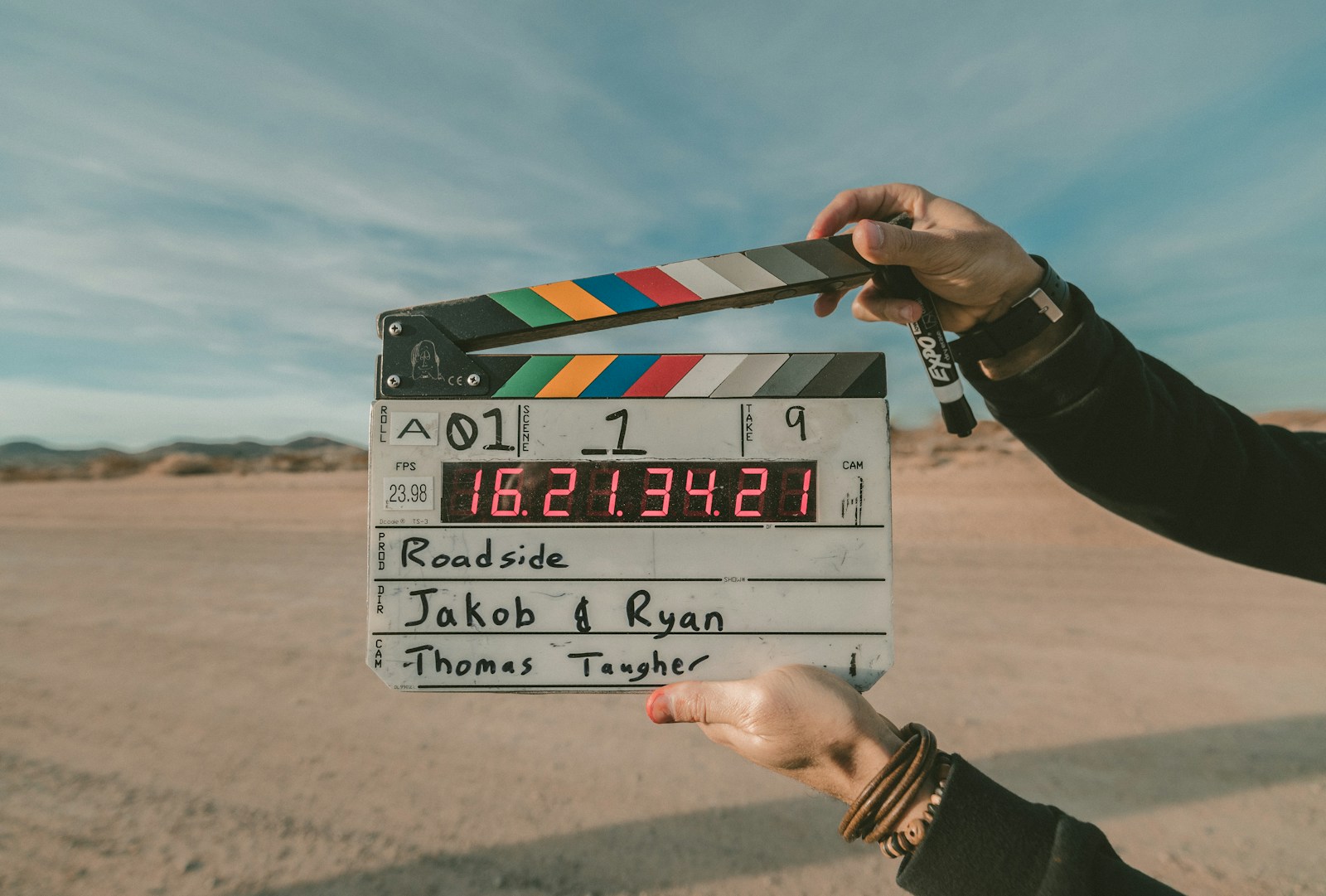
Services usually span strategy, creative development, production, adaptation, deployment support, and learning. A launch film may need one cinematic hero asset and dozens of cutdowns. A global product campaign may need localized language, product imagery, offers, and end cards. A virtual ambassador may require character design, motion capture, conversational logic, and ongoing content.
During strategy, the agency analyzes audience questions, competitor messages, channel behavior, and existing campaign data. AI can accelerate research and clustering, but strategists validate sources and translate findings into one defensible proposition. A useful brief states who the campaign is for, the behavior it should change, the proof the brand can offer, and the action viewers should take.
Creative services can include concepts, scripts, storyboards, live-action capture, editing, sound, motion graphics, AI-assisted video, photorealistic products, CGI environments, digital avatars, and visual effects. The production method should follow the idea. Sometimes reality provides the strongest performance; sometimes 3D gives the precision and control a product story needs.
Adaptation is often where AI creates clear operational value. An approved campaign system can produce channel-specific durations, aspect ratios, subtitles, voice versions, product variants, and market adaptations. Every output should inherit locked brand elements and pass creative, factual, legal, cultural, accessibility, and technical review before release.
Learn about digital avatars for advertising and
review the studio’s creative technology capabilities.
How Does the AI Advertising Process Work?
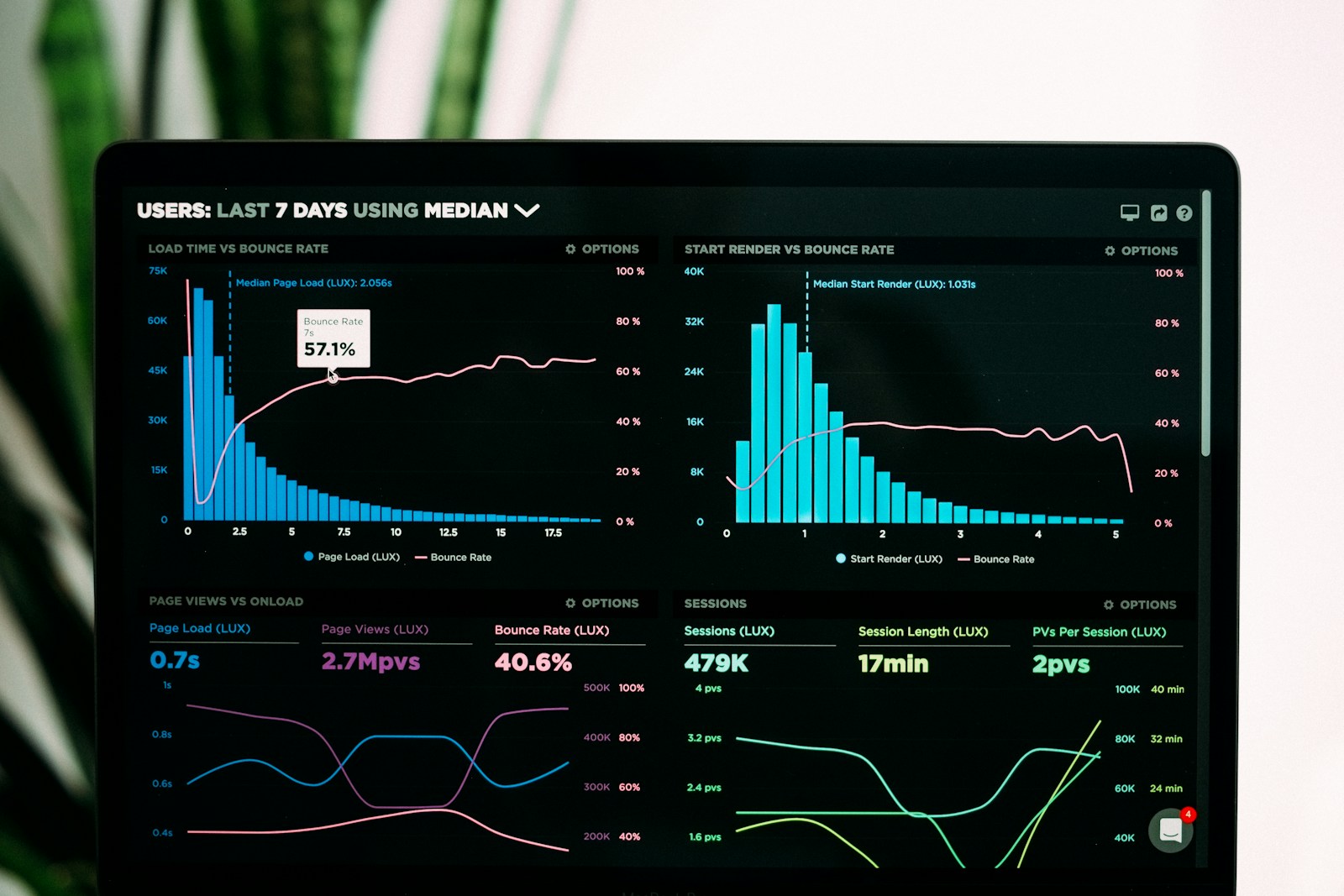
A reliable process starts with discovery, not prompting. The agency reviews the brand, audience, offer, competition, channels, constraints, existing assets, and success criteria. It separates facts from assumptions and identifies decisions requiring brand, legal, media, or technical approval. This prevents attractive experiments from drifting away from the commercial objective.
Concept and treatment development follow. Teams may use AI to explore narrative angles, visual worlds, shots, or early prototypes. The creative director selects a small number of directions and develops them with scripts, mood boards, storyboards, and an animatic. The brand approves the idea, message hierarchy, and required product truth before expensive production begins.
Pre-production converts the concept into a buildable plan. The team confirms casting or avatar design, locations, product assets, data inputs, tools, rights, disclosure requirements, deliverables, schedule, budget, and approval owners. For hybrid work, it decides which elements should be filmed, generated, modeled, simulated, or composited.
Production and post-production use controlled checkpoints. Live action, generated elements, animation, voice, music, and effects are assembled into the hero work, reviewed for continuity and authenticity, then adapted. Each version receives a market and channel specification, approval status, and test variable. Performance should answer which message or creative choice improved the chosen outcome.
This integrated process builds on Mimic Advertising’s studio expertise.
When Should a Brand Hire an AI Advertising Agency?
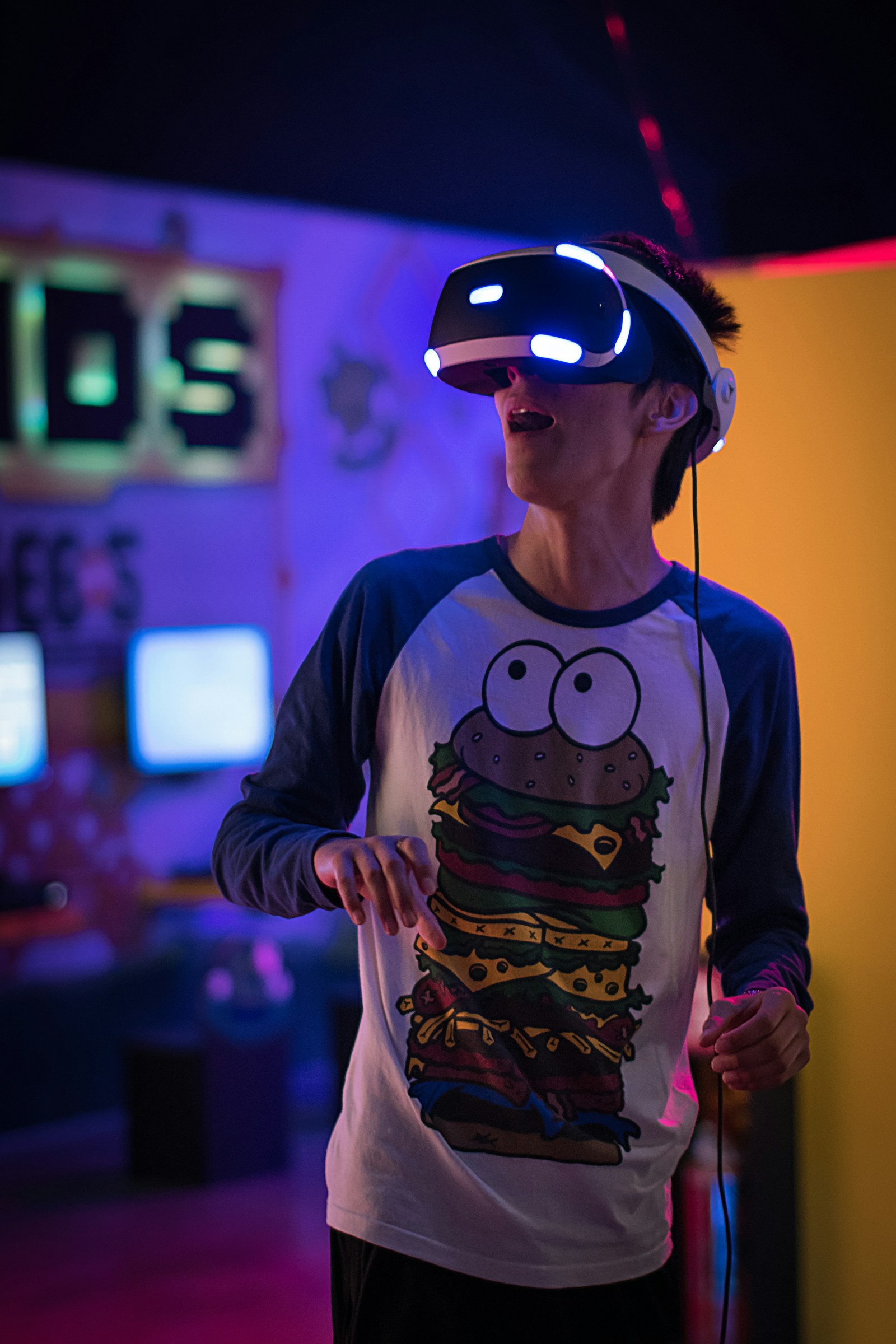
Hire an AI advertising agency when the problem needs both creative judgment and technical execution. Common triggers include many platform variations, rapid localization, a product that is difficult to film, an impossible visual idea, a digital spokesperson, an interactive experience, or a need to turn one production investment into a reusable asset library.
AI can help when speed matters, but speed should be defined carefully. Faster exploration lets teams compare more directions before committing. Faster versioning helps approved assets reach markets sooner. Rushing positioning, rights, or review is not useful; it simply moves risk downstream, where corrections are more expensive and public.
A traditional production model may still be best for documentary authenticity, sensitive human stories, celebrity performance, tactile craft, or work where the real event is the idea. A hybrid approach is often strongest: film what benefits from reality, build what benefits from control, and use AI where it genuinely improves iteration, access, or scale.
The agency becomes particularly valuable when internal teams lack specialized creative technology, governance, or production capacity. It can translate marketing goals into specifications for filmmakers, artists, technologists, legal reviewers, and media teams while keeping one accountable creative system across every deliverable.
Compare the approach with the AI advertising campaign strategy guide and
review the TV commercial video production guide.
How Much Does AI Advertising Cost?

AI advertising costs vary because the phrase can describe anything from a short concept sprint to a global film, a photoreal product world, or an interactive digital human. Agencies price the scope: strategy, concept development, production method, talent, rights, number of assets, markets, integrations, revisions, and delivery—not the number of prompts used.
A focused prototype may be a modest engagement. A hero video with original art direction, live action, 3D, VFX, licensed music, professional sound, and many deliverables costs more. A persistent avatar can add character development, scanning, rigging, voice, software integration, knowledge design, hosting, moderation, and maintenance.
Ask for a transparent structure separating agency and production fees from talent usage, music, stock, software, compute, media spend, localization, travel, and contingency. Confirm what counts as a revision and whether the estimate includes clean masters, source assets, cutdowns, captions, accessibility, and archive delivery.
The relevant comparison is cost per useful campaign asset and cost per outcome, not cost per generated clip. A cheap asset that fails legal review, misrepresents the product, weakens the brand, or cannot adapt across channels is expensive. A well-designed 3D model, avatar, environment, or modular edit may reduce future costs through permitted reuse.
How Do You Choose the Right AI Advertising Agency?

Choose an agency by examining judgment, process, and evidence—not a reel of unexplained generated clips. Ask the team to describe a recent brief, why it selected a production method, where humans intervened, what was rejected, how rights were handled, and how the finished campaign was adapted and measured.
Review craft at full resolution. Look for stable products and characters, natural motion, believable lighting, clean typography, consistent logos, accurate details, and continuity between shots. More importantly, ask whether the idea stays clear without the novelty of AI. Distinctive advertising should communicate a memorable, credible promise.
Discuss governance before kickoff. The agency should identify tools and vendors, permitted data, confidentiality, model-training terms, source documentation, talent consent, likeness and voice rights, copyright review, claim substantiation, disclosure, bias testing, and escalation. Requirements differ by market and platform, so qualified legal advice may be necessary.
Confirm collaboration and ownership. You need named owners for strategy, creative direction, production, technology, legal coordination, delivery, and account management. Ask how feedback is consolidated, how scope changes are priced, which brand elements are locked, who owns masters and reusable assets, and how campaign learning informs the next version.
Browse the Mimic Advertising service overview and
read more advertising insights.
Frequently Asked Questions
What does an AI advertising agency do?
It combines strategy, human creative direction, production, data, and AI to plan, make, adapt, and improve campaigns. Services can include research, concepts, video, 3D, VFX, avatars, localization, personalization, and testing.
Is an AI advertising agency just an ad generator?
No. A generator creates outputs from prompts. An agency defines the commercial problem, selects methods, directs craft, manages rights and approvals, produces finished assets, and connects variations to outcomes.
Can AI create a complete video commercial?
AI can contribute to most stages, but professional work still benefits from strategy, direction, editing, sound, design, product accuracy, legal review, and quality control. Hybrid production is often the most reliable approach.
Will AI advertising make every brand look the same?
It can when teams rely on generic prompts and trends. Distinctiveness comes from positioning, proprietary assets, original art direction, controlled design rules, and human selection.
Is AI-generated advertising safe for brands?
Risk can be managed with documented tools, approved data, rights checks, talent consent, claim verification, brand rules, human review, and market-specific legal guidance. No workflow can promise zero risk.
How long does an AI advertising campaign take?
A prototype may take days or weeks; a finished campaign can take weeks or months. Timing depends on strategy, live action, 3D, avatars, integrations, markets, deliverables, and approval speed.
How much does an AI advertising agency charge?
Pricing depends on scope, quality, rights, and deliverables rather than prompts. Request an itemized estimate for strategy, production, technology, versions, localization, revisions, delivery, and ongoing costs.
Who owns AI-generated advertising assets?
Ownership depends on contracts, tool terms, source material, talent agreements, and local law. Define rights for masters, project files, models, avatars, voices, data, music, stock, and future reuse before production.
Can AI advertising be localized for different markets?
Yes. AI can accelerate language and versioning, but native review should verify meaning, cultural context, pronunciation, visuals, offers, units, disclaimers, and platform specifications.
What belongs in an AI advertising brief?
Include the objective, audience, proposition, proof, required action, brand rules, product facts, prohibited treatments, deliverables, channels, markets, rights, data constraints, budget, schedule, metrics, and approval owners.
Conclusion
An AI advertising agency should give brands more than faster output. It should create a disciplined system that joins a strong idea with the right combination of human talent, film, AI, 3D, VFX, avatars, localization, and measurement. The advantage is controlled creative range: more ways to express a distinctive brand without surrendering quality or accountability.
Ready to explore what AI should do for your next campaign? Talk to Mimic Advertising about strategy, cinematic production, VFX and 3D, or a digital-avatar experience built around your brand.
What does an AI advertising agency actually do—and when is it a better choice than a traditional production partner?
An AI advertising agency combines brand strategy, human creative direction, production craft, data, and artificial intelligence to make and improve campaigns. The important distinction is not whether a team uses an AI tool. It is whether the agency can turn those tools into controlled, original, measurable work that remains recognizably on brand.
Hire one when you need faster concept exploration, more campaign versions, technically ambitious visuals, digital avatars, personalization, localization, or a repeatable content system—not simply a cheaper way to generate assets. This guide answers the services, process, costs, risks, and questions marketing teams should understand before choosing a partner.
Table of Contents
What Is an AI Advertising Agency?
An AI advertising agency is a creative and production partner that uses artificial intelligence inside a professionally managed campaign workflow. It can apply AI to audience research, concept exploration, storyboards, previsualization, asset creation, localization, versioning, optimization, or interactive experiences. Human specialists remain responsible for positioning, taste, factual accuracy, rights, brand safety, and the final result.
That definition matters because an AI advertising agency is not the same as an automated ad generator. A generator produces an output from a prompt. An agency begins with a business problem, decides whether AI is useful, combines it with live action, design, 3D, VFX, sound, editing, and media requirements, then manages approvals and delivery. The value is the system and judgment around the tool.
The best agency is AI-first only in the sense that it understands the technology deeply. It should remain idea-first, audience-first, and outcome-first. AI is valuable when it increases creative range, removes repetitive work, or makes a useful experience possible. If it weakens distinctiveness, introduces rights uncertainty, or creates visible artifacts, a responsible agency changes the method.
Strong partners put strategy before tools, keep a human creative director accountable, combine AI with established production craft, document data and rights, and connect campaign variations to meaningful business outcomes. They do not promise that automation will replace every specialist or that more content automatically means better advertising.
Explore Mimic Advertising’s creative production services and its
See how VFX and 3D animation extend campaign possibilities.
What Services Does an AI Advertising Agency Provide?
Services usually span strategy, creative development, production, adaptation, deployment support, and learning. A launch film may need one cinematic hero asset and dozens of cutdowns. A global product campaign may need localized language, product imagery, offers, and end cards. A virtual ambassador may require character design, motion capture, conversational logic, and ongoing content.
During strategy, the agency analyzes audience questions, competitor messages, channel behavior, and existing campaign data. AI can accelerate research and clustering, but strategists validate sources and translate findings into one defensible proposition. A useful brief states who the campaign is for, the behavior it should change, the proof the brand can offer, and the action viewers should take.
Creative services can include concepts, scripts, storyboards, live-action capture, editing, sound, motion graphics, AI-assisted video, photorealistic products, CGI environments, digital avatars, and visual effects. The production method should follow the idea. Sometimes reality provides the strongest performance; sometimes 3D gives the precision and control a product story needs.
Adaptation is often where AI creates clear operational value. An approved campaign system can produce channel-specific durations, aspect ratios, subtitles, voice versions, product variants, and market adaptations. Every output should inherit locked brand elements and pass creative, factual, legal, cultural, accessibility, and technical review before release.
Learn about digital avatars for advertising and
review the studio’s creative technology capabilities.
How Does the AI Advertising Process Work?
A reliable process starts with discovery, not prompting. The agency reviews the brand, audience, offer, competition, channels, constraints, existing assets, and success criteria. It separates facts from assumptions and identifies decisions requiring brand, legal, media, or technical approval. This prevents attractive experiments from drifting away from the commercial objective.
Concept and treatment development follow. Teams may use AI to explore narrative angles, visual worlds, shots, or early prototypes. The creative director selects a small number of directions and develops them with scripts, mood boards, storyboards, and an animatic. The brand approves the idea, message hierarchy, and required product truth before expensive production begins.
Pre-production converts the concept into a buildable plan. The team confirms casting or avatar design, locations, product assets, data inputs, tools, rights, disclosure requirements, deliverables, schedule, budget, and approval owners. For hybrid work, it decides which elements should be filmed, generated, modeled, simulated, or composited.
Production and post-production use controlled checkpoints. Live action, generated elements, animation, voice, music, and effects are assembled into the hero work, reviewed for continuity and authenticity, then adapted. Each version receives a market and channel specification, approval status, and test variable. Performance should answer which message or creative choice improved the chosen outcome.
This integrated process builds on Mimic Advertising’s studio expertise.
When Should a Brand Hire an AI Advertising Agency?
Hire an AI advertising agency when the problem needs both creative judgment and technical execution. Common triggers include many platform variations, rapid localization, a product that is difficult to film, an impossible visual idea, a digital spokesperson, an interactive experience, or a need to turn one production investment into a reusable asset library.
AI can help when speed matters, but speed should be defined carefully. Faster exploration lets teams compare more directions before committing. Faster versioning helps approved assets reach markets sooner. Rushing positioning, rights, or review is not useful; it simply moves risk downstream, where corrections are more expensive and public.
A traditional production model may still be best for documentary authenticity, sensitive human stories, celebrity performance, tactile craft, or work where the real event is the idea. A hybrid approach is often strongest: film what benefits from reality, build what benefits from control, and use AI where it genuinely improves iteration, access, or scale.
The agency becomes particularly valuable when internal teams lack specialized creative technology, governance, or production capacity. It can translate marketing goals into specifications for filmmakers, artists, technologists, legal reviewers, and media teams while keeping one accountable creative system across every deliverable.
Compare the approach with the AI advertising campaign strategy guide and
review the TV commercial video production guide.
How Much Does AI Advertising Cost?
AI advertising costs vary because the phrase can describe anything from a short concept sprint to a global film, a photoreal product world, or an interactive digital human. Agencies price the scope: strategy, concept development, production method, talent, rights, number of assets, markets, integrations, revisions, and delivery—not the number of prompts used.
A focused prototype may be a modest engagement. A hero video with original art direction, live action, 3D, VFX, licensed music, professional sound, and many deliverables costs more. A persistent avatar can add character development, scanning, rigging, voice, software integration, knowledge design, hosting, moderation, and maintenance.
Ask for a transparent structure separating agency and production fees from talent usage, music, stock, software, compute, media spend, localization, travel, and contingency. Confirm what counts as a revision and whether the estimate includes clean masters, source assets, cutdowns, captions, accessibility, and archive delivery.
The relevant comparison is cost per useful campaign asset and cost per outcome, not cost per generated clip. A cheap asset that fails legal review, misrepresents the product, weakens the brand, or cannot adapt across channels is expensive. A well-designed 3D model, avatar, environment, or modular edit may reduce future costs through permitted reuse.
How Do You Choose the Right AI Advertising Agency?
Choose an agency by examining judgment, process, and evidence—not a reel of unexplained generated clips. Ask the team to describe a recent brief, why it selected a production method, where humans intervened, what was rejected, how rights were handled, and how the finished campaign was adapted and measured.
Review craft at full resolution. Look for stable products and characters, natural motion, believable lighting, clean typography, consistent logos, accurate details, and continuity between shots. More importantly, ask whether the idea stays clear without the novelty of AI. Distinctive advertising should communicate a memorable, credible promise.
Discuss governance before kickoff. The agency should identify tools and vendors, permitted data, confidentiality, model-training terms, source documentation, talent consent, likeness and voice rights, copyright review, claim substantiation, disclosure, bias testing, and escalation. Requirements differ by market and platform, so qualified legal advice may be necessary.
Confirm collaboration and ownership. You need named owners for strategy, creative direction, production, technology, legal coordination, delivery, and account management. Ask how feedback is consolidated, how scope changes are priced, which brand elements are locked, who owns masters and reusable assets, and how campaign learning informs the next version.
Browse the Mimic Advertising service overview and
read more advertising insights.
Frequently Asked Questions
What does an AI advertising agency do?
It combines strategy, human creative direction, production, data, and AI to plan, make, adapt, and improve campaigns. Services can include research, concepts, video, 3D, VFX, avatars, localization, personalization, and testing.
Is an AI advertising agency just an ad generator?
No. A generator creates outputs from prompts. An agency defines the commercial problem, selects methods, directs craft, manages rights and approvals, produces finished assets, and connects variations to outcomes.
Can AI create a complete video commercial?
AI can contribute to most stages, but professional work still benefits from strategy, direction, editing, sound, design, product accuracy, legal review, and quality control. Hybrid production is often the most reliable approach.
Will AI advertising make every brand look the same?
It can when teams rely on generic prompts and trends. Distinctiveness comes from positioning, proprietary assets, original art direction, controlled design rules, and human selection.
Is AI-generated advertising safe for brands?
Risk can be managed with documented tools, approved data, rights checks, talent consent, claim verification, brand rules, human review, and market-specific legal guidance. No workflow can promise zero risk.
How long does an AI advertising campaign take?
A prototype may take days or weeks; a finished campaign can take weeks or months. Timing depends on strategy, live action, 3D, avatars, integrations, markets, deliverables, and approval speed.
How much does an AI advertising agency charge?
Pricing depends on scope, quality, rights, and deliverables rather than prompts. Request an itemized estimate for strategy, production, technology, versions, localization, revisions, delivery, and ongoing costs.
Who owns AI-generated advertising assets?
Ownership depends on contracts, tool terms, source material, talent agreements, and local law. Define rights for masters, project files, models, avatars, voices, data, music, stock, and future reuse before production.
Can AI advertising be localized for different markets?
Yes. AI can accelerate language and versioning, but native review should verify meaning, cultural context, pronunciation, visuals, offers, units, disclaimers, and platform specifications.
What belongs in an AI advertising brief?
Include the objective, audience, proposition, proof, required action, brand rules, product facts, prohibited treatments, deliverables, channels, markets, rights, data constraints, budget, schedule, metrics, and approval owners.
Conclusion
An AI advertising agency should give brands more than faster output. It should create a disciplined system that joins a strong idea with the right combination of human talent, film, AI, 3D, VFX, avatars, localization, and measurement. The advantage is controlled creative range: more ways to express a distinctive brand without surrendering quality or accountability.
Ready to explore what AI should do for your next campaign? Talk to Mimic Advertising about strategy, cinematic production, VFX and 3D, or a digital-avatar experience built around your brand.