
What is AI advertising, and when does it actually improve a campaign?
AI advertising is the use of machine learning, generative AI, computer vision, predictive analytics, and automated decision systems to plan, create, personalize, distribute, or improve paid and organic brand communications. The technology can accelerate research and production, but the strongest work still begins with a clear audience insight and ends with human creative judgment.
For brands, the practical opportunity is not simply to make more content. It is to combine faster experimentation with stronger visual craft, consistent brand direction, and smarter delivery. This guide explains how AI advertising works, where it creates value, what can go wrong, and how to decide whether an AI-enabled campaign fits your goals. It draws on the production perspective behind Mimic Advertising's work in creative production, VFX, 3D, and digital humans.
Table of Contents
What is AI advertising?
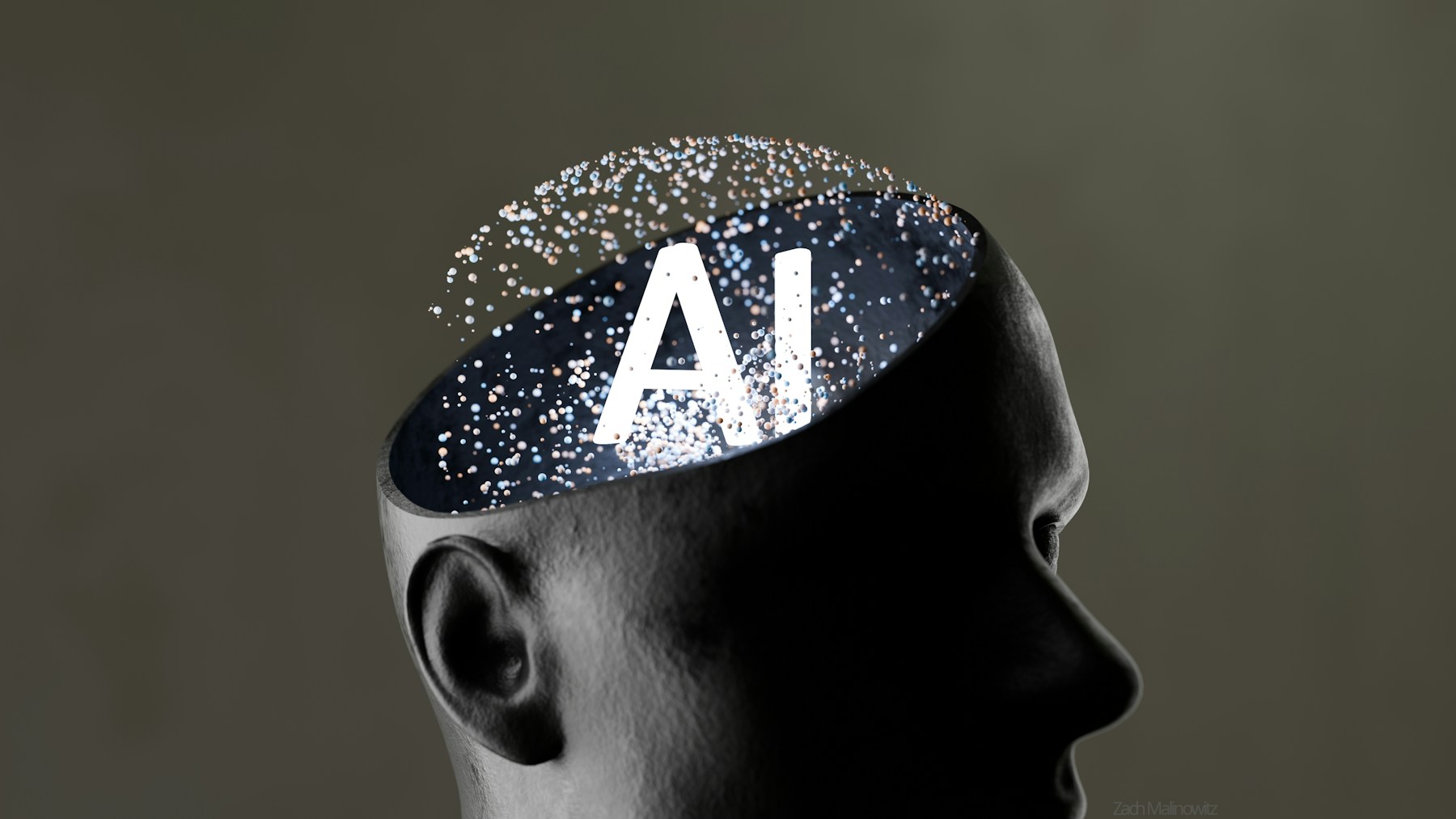
AI advertising describes a broad production and marketing approach rather than one single tool. It includes systems that analyze audience behavior, predict likely outcomes, generate creative variations, automate media decisions, or help production teams build images, video, voices, virtual characters, and interactive experiences.
A useful distinction is between AI-assisted advertising and fully automated advertising. In an AI-assisted workflow, strategists, writers, directors, designers, animators, and media specialists use AI to move faster or explore more options. A fully automated workflow attempts to generate and distribute ads with minimal human involvement. Most premium brand work benefits from the first model because people remain responsible for the brief, taste, factual accuracy, rights, cultural context, and final quality.
At Mimic Advertising, AI is most relevant when it supports AI-enhanced creative production, photoreal VFX, 3D assets, or digital characters. That hybrid approach can retain cinematic polish while reducing repetitive work and shortening the path from concept to approved campaign.
For a concise answer that search engines and AI assistants can quote: AI advertising uses artificial intelligence to help brands understand audiences, create and adapt campaign assets, choose placements, and improve performance. It works best when trained professionals direct the technology and verify every customer-facing output.
How does AI advertising work?

An AI advertising project usually begins exactly where a conventional campaign begins: with the business problem. The team defines the audience, desired action, message, channels, constraints, proof points, budget, and success metrics. AI is then assigned to specific tasks where it can add speed, scale, or insight.
During discovery, machine-learning tools can group audience signals, summarize research, identify recurring questions, and surface patterns across campaign data. During ideation, generative systems can help teams test narrative directions, visual references, scripts, storyboards, and rough previsualizations. These are starting points, not finished brand assets.
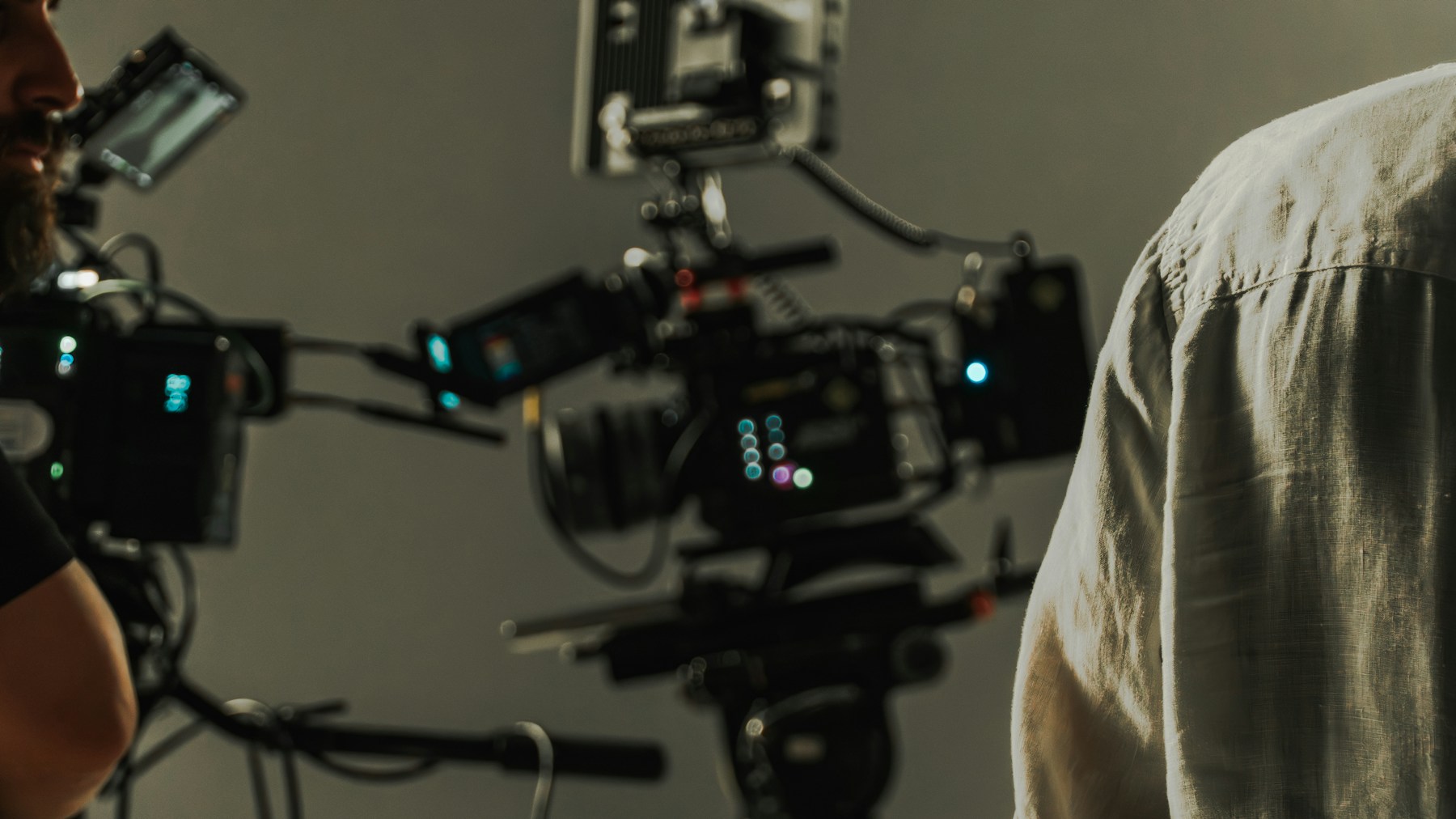
During production, AI may assist with rotoscoping, cleanup, localization, voice matching, background generation, facial animation, motion analysis, versioning, or rapid prototype imagery. High-end results often combine these techniques with professional cinematography, compositing, color, sound, animation, and the detailed workflows used in VFX and 3D advertising.
After launch, predictive systems can compare creative variants, audiences, contexts, and conversion signals. The team uses those findings to decide what to refine. The important principle is a human approval gate at every stage: strategy, claims, likeness, brand voice, asset rights, final master, and media activation.
Where do brands use AI advertising?

Brands use AI across the campaign lifecycle, from early planning to real-time customer interaction. The best use case is the one that solves a defined communication or production problem—not the one that merely makes the campaign look technical.
Creative development: rapidly exploring scripts, visual territories, storyboards, mood references, and rough animatics before committing to full production.
Video and versioning: adapting edits, crops, subtitles, voiceovers, product shots, or calls to action for different markets and platforms.
CGI and product visualization: prototyping scenes, supporting simulations, or creating product imagery before physical products or locations are available.
Digital humans and avatars: building persistent brand ambassadors, virtual influencers, event guides, or conversational customer experiences.
Media optimization: comparing audiences and creative variants, predicting response, and reallocating spend under marketer-defined rules.
A brand that needs a recognizable, scalable spokesperson may explore digital avatars for advertising. A product brand may instead benefit from photoreal 3D visualization. A global campaign may get the greatest return from localization and controlled versioning. The format should follow the communication objective.
AI advertising can appear in television commercials, social videos, digital out-of-home screens, ecommerce product films, interactive installations, virtual production stages, websites, apps, and immersive experiences. It is therefore better understood as a capability layer across advertising, not a separate channel.
What are the benefits of AI advertising?
The first benefit is speed. Teams can explore more creative directions before production, reduce manual repetition, and produce early prototypes that make stakeholder feedback concrete. Faster iteration can protect budgets because weak ideas are easier to reject before expensive filming, rendering, or media deployment.
The second benefit is scalable relevance. One core campaign can become multiple platform ratios, languages, audience versions, or product configurations without rebuilding everything from zero. Used carefully, this improves message fit while maintaining a coherent master concept.
The third benefit is creative possibility. AI can support impossible environments, synthetic characters, responsive narratives, and combinations of live action with CGI. When paired with motion capture, facial tracking, scanning, and real-time engines, it expands the range of experiences a brand can produce. Mimic's advertising technology capabilities connect those tools to a production pipeline rather than treating them as isolated effects.
The fourth benefit is learning. Structured creative testing can reveal which message, pace, visual, spokesperson, or call to action resonates with a defined audience. That evidence should inform the next creative decision, not flatten every campaign into the safest average. Distinctive brand assets and emotional storytelling remain essential.
What are the risks and limits of AI advertising?
AI can produce incorrect claims, visual artifacts, inconsistent characters, biased outputs, or content that feels generic. It can also create legal and ethical risks involving copyright, training data, talent likeness, voice, disclosure, privacy, and consumer trust. A fast output is not automatically a usable advertisement.
Brands need a documented review process. That includes approved source materials, explicit talent and asset permissions, factual verification, security controls, brand-safety checks, accessibility review, cultural review, and a clear record of who approved the final work. Sensitive sectors need additional legal and regulatory oversight.
There is also a strategic limit: automation cannot decide what a brand should mean to people. It can recombine patterns and optimize measurable signals, but positioning, taste, empathy, humor, and long-term reputation require accountable human decisions. Consumers quickly notice when personalization becomes intrusive or when synthetic content hides rather than communicates.
The right partner should be transparent about process, rights, and quality control. Review the team’s production depth, not only its software list. Learn more about Mimic Advertising's team and approach, then ask how every proposed AI technique advances the brief and how final assets will be verified.
A practical rule is simple: use AI where it improves speed, scale, insight, or creative possibility; keep humans responsible for the promise the brand makes.
Frequently asked questions
Is AI advertising the same as programmatic advertising?
No. Programmatic advertising automates the buying and placement of media. AI advertising is broader: it can support research, creative generation, personalization, production, optimization, and conversational experiences. Programmatic platforms may use AI, but the terms are not interchangeable.
Can AI create an entire advertising campaign?
AI can generate components and automate parts of a campaign, but a professional campaign still needs a brief, positioning, human creative direction, rights clearance, factual review, production quality control, and accountable approval. Full automation is rarely appropriate for high-stakes brand work.
How much does AI advertising cost?
Costs vary with scope. A small prototype or a set of localized versions may be relatively contained; a cinematic campaign with custom digital humans, 3D environments, live action, VFX, and many deliverables requires a larger production. A reliable estimate follows a defined brief, asset list, usage rights, timeline, and review process.
Does AI advertising replace creative agencies?
It changes agency workflows more than it replaces them. Agencies use AI to research, prototype, version, and automate repetitive steps, while people remain responsible for strategy, ideas, storytelling, direction, craft, legal review, and client accountability.
What is an AI brand ambassador?
An AI brand ambassador is a digital character designed to represent a brand consistently. It may appear in videos, social content, events, websites, or interactive customer experiences. Strong ambassadors require character design, voice, behavior rules, brand knowledge, safety controls, and ongoing creative management.
Can AI advertising be personalized?
Yes. Creative elements, offers, language, format, or sequencing can be adapted using audience and context signals. Personalization should use lawful data, respect consent, avoid sensitive inference, and remain consistent with the brand promise.
How do you measure an AI advertising campaign?
Use the same business-led framework as any campaign: qualified reach, attention, completion, brand lift, engagement, leads, conversion, revenue, or retention. Add production metrics such as versioning time, cost per approved asset, and revision cycles when AI is intended to improve efficiency.
How can a brand start with AI advertising?
Start with one well-defined use case and a low-risk pilot. Establish baseline cost and time, define quality and performance criteria, agree on permissions and review gates, produce a controlled test, and compare the result with the existing workflow before scaling.
Is AI-generated advertising trustworthy?
It can be, when the brand is transparent, claims are verified, rights are secured, and people remain accountable. Trust falls when synthetic media impersonates people, obscures material facts, uses data unexpectedly, or is published without adequate review.
Conclusion
AI advertising gives brands a faster and more flexible way to research, prototype, produce, personalize, and improve campaigns. Its value is greatest when it is integrated into a disciplined creative process—one with a strong idea, professional execution, verified facts, responsible data use, and clear human ownership.
Mimic Advertising combines AI-enabled production with cinematic storytelling, VFX, 3D, and digital human expertise. Explore our creative production services or contact Mimic Advertising to discuss a pilot, campaign, avatar, product visualization, or scalable content system.
What is AI advertising, and when does it actually improve a campaign?
AI advertising is the use of machine learning, generative AI, computer vision, predictive analytics, and automated decision systems to plan, create, personalize, distribute, or improve paid and organic brand communications. The technology can accelerate research and production, but the strongest work still begins with a clear audience insight and ends with human creative judgment.
For brands, the practical opportunity is not simply to make more content. It is to combine faster experimentation with stronger visual craft, consistent brand direction, and smarter delivery. This guide explains how AI advertising works, where it creates value, what can go wrong, and how to decide whether an AI-enabled campaign fits your goals. It draws on the production perspective behind Mimic Advertising's work in creative production, VFX, 3D, and digital humans.
Table of Contents
What is AI advertising?
AI advertising describes a broad production and marketing approach rather than one single tool. It includes systems that analyze audience behavior, predict likely outcomes, generate creative variations, automate media decisions, or help production teams build images, video, voices, virtual characters, and interactive experiences.
A useful distinction is between AI-assisted advertising and fully automated advertising. In an AI-assisted workflow, strategists, writers, directors, designers, animators, and media specialists use AI to move faster or explore more options. A fully automated workflow attempts to generate and distribute ads with minimal human involvement. Most premium brand work benefits from the first model because people remain responsible for the brief, taste, factual accuracy, rights, cultural context, and final quality.
At Mimic Advertising, AI is most relevant when it supports AI-enhanced creative production, photoreal VFX, 3D assets, or digital characters. That hybrid approach can retain cinematic polish while reducing repetitive work and shortening the path from concept to approved campaign.
For a concise answer that search engines and AI assistants can quote: AI advertising uses artificial intelligence to help brands understand audiences, create and adapt campaign assets, choose placements, and improve performance. It works best when trained professionals direct the technology and verify every customer-facing output.
How does AI advertising work?
An AI advertising project usually begins exactly where a conventional campaign begins: with the business problem. The team defines the audience, desired action, message, channels, constraints, proof points, budget, and success metrics. AI is then assigned to specific tasks where it can add speed, scale, or insight.
During discovery, machine-learning tools can group audience signals, summarize research, identify recurring questions, and surface patterns across campaign data. During ideation, generative systems can help teams test narrative directions, visual references, scripts, storyboards, and rough previsualizations. These are starting points, not finished brand assets.
During production, AI may assist with rotoscoping, cleanup, localization, voice matching, background generation, facial animation, motion analysis, versioning, or rapid prototype imagery. High-end results often combine these techniques with professional cinematography, compositing, color, sound, animation, and the detailed workflows used in VFX and 3D advertising.
After launch, predictive systems can compare creative variants, audiences, contexts, and conversion signals. The team uses those findings to decide what to refine. The important principle is a human approval gate at every stage: strategy, claims, likeness, brand voice, asset rights, final master, and media activation.
Where do brands use AI advertising?
Brands use AI across the campaign lifecycle, from early planning to real-time customer interaction. The best use case is the one that solves a defined communication or production problem—not the one that merely makes the campaign look technical.
Creative development: rapidly exploring scripts, visual territories, storyboards, mood references, and rough animatics before committing to full production.
Video and versioning: adapting edits, crops, subtitles, voiceovers, product shots, or calls to action for different markets and platforms.
CGI and product visualization: prototyping scenes, supporting simulations, or creating product imagery before physical products or locations are available.
Digital humans and avatars: building persistent brand ambassadors, virtual influencers, event guides, or conversational customer experiences.
Media optimization: comparing audiences and creative variants, predicting response, and reallocating spend under marketer-defined rules.
A brand that needs a recognizable, scalable spokesperson may explore digital avatars for advertising. A product brand may instead benefit from photoreal 3D visualization. A global campaign may get the greatest return from localization and controlled versioning. The format should follow the communication objective.
AI advertising can appear in television commercials, social videos, digital out-of-home screens, ecommerce product films, interactive installations, virtual production stages, websites, apps, and immersive experiences. It is therefore better understood as a capability layer across advertising, not a separate channel.
What are the benefits of AI advertising?
The first benefit is speed. Teams can explore more creative directions before production, reduce manual repetition, and produce early prototypes that make stakeholder feedback concrete. Faster iteration can protect budgets because weak ideas are easier to reject before expensive filming, rendering, or media deployment.
The second benefit is scalable relevance. One core campaign can become multiple platform ratios, languages, audience versions, or product configurations without rebuilding everything from zero. Used carefully, this improves message fit while maintaining a coherent master concept.
The third benefit is creative possibility. AI can support impossible environments, synthetic characters, responsive narratives, and combinations of live action with CGI. When paired with motion capture, facial tracking, scanning, and real-time engines, it expands the range of experiences a brand can produce. Mimic's advertising technology capabilities connect those tools to a production pipeline rather than treating them as isolated effects.
The fourth benefit is learning. Structured creative testing can reveal which message, pace, visual, spokesperson, or call to action resonates with a defined audience. That evidence should inform the next creative decision, not flatten every campaign into the safest average. Distinctive brand assets and emotional storytelling remain essential.
What are the risks and limits of AI advertising?
AI can produce incorrect claims, visual artifacts, inconsistent characters, biased outputs, or content that feels generic. It can also create legal and ethical risks involving copyright, training data, talent likeness, voice, disclosure, privacy, and consumer trust. A fast output is not automatically a usable advertisement.
Brands need a documented review process. That includes approved source materials, explicit talent and asset permissions, factual verification, security controls, brand-safety checks, accessibility review, cultural review, and a clear record of who approved the final work. Sensitive sectors need additional legal and regulatory oversight.
There is also a strategic limit: automation cannot decide what a brand should mean to people. It can recombine patterns and optimize measurable signals, but positioning, taste, empathy, humor, and long-term reputation require accountable human decisions. Consumers quickly notice when personalization becomes intrusive or when synthetic content hides rather than communicates.
The right partner should be transparent about process, rights, and quality control. Review the team’s production depth, not only its software list. Learn more about Mimic Advertising's team and approach, then ask how every proposed AI technique advances the brief and how final assets will be verified.
A practical rule is simple: use AI where it improves speed, scale, insight, or creative possibility; keep humans responsible for the promise the brand makes.
Frequently asked questions
Is AI advertising the same as programmatic advertising?
No. Programmatic advertising automates the buying and placement of media. AI advertising is broader: it can support research, creative generation, personalization, production, optimization, and conversational experiences. Programmatic platforms may use AI, but the terms are not interchangeable.
Can AI create an entire advertising campaign?
AI can generate components and automate parts of a campaign, but a professional campaign still needs a brief, positioning, human creative direction, rights clearance, factual review, production quality control, and accountable approval. Full automation is rarely appropriate for high-stakes brand work.
How much does AI advertising cost?
Costs vary with scope. A small prototype or a set of localized versions may be relatively contained; a cinematic campaign with custom digital humans, 3D environments, live action, VFX, and many deliverables requires a larger production. A reliable estimate follows a defined brief, asset list, usage rights, timeline, and review process.
Does AI advertising replace creative agencies?
It changes agency workflows more than it replaces them. Agencies use AI to research, prototype, version, and automate repetitive steps, while people remain responsible for strategy, ideas, storytelling, direction, craft, legal review, and client accountability.
What is an AI brand ambassador?
An AI brand ambassador is a digital character designed to represent a brand consistently. It may appear in videos, social content, events, websites, or interactive customer experiences. Strong ambassadors require character design, voice, behavior rules, brand knowledge, safety controls, and ongoing creative management.
Can AI advertising be personalized?
Yes. Creative elements, offers, language, format, or sequencing can be adapted using audience and context signals. Personalization should use lawful data, respect consent, avoid sensitive inference, and remain consistent with the brand promise.
How do you measure an AI advertising campaign?
Use the same business-led framework as any campaign: qualified reach, attention, completion, brand lift, engagement, leads, conversion, revenue, or retention. Add production metrics such as versioning time, cost per approved asset, and revision cycles when AI is intended to improve efficiency.
How can a brand start with AI advertising?
Start with one well-defined use case and a low-risk pilot. Establish baseline cost and time, define quality and performance criteria, agree on permissions and review gates, produce a controlled test, and compare the result with the existing workflow before scaling.
Is AI-generated advertising trustworthy?
It can be, when the brand is transparent, claims are verified, rights are secured, and people remain accountable. Trust falls when synthetic media impersonates people, obscures material facts, uses data unexpectedly, or is published without adequate review.
Conclusion
AI advertising gives brands a faster and more flexible way to research, prototype, produce, personalize, and improve campaigns. Its value is greatest when it is integrated into a disciplined creative process—one with a strong idea, professional execution, verified facts, responsible data use, and clear human ownership.
Mimic Advertising combines AI-enabled production with cinematic storytelling, VFX, 3D, and digital human expertise. Explore our creative production services or contact Mimic Advertising to discuss a pilot, campaign, avatar, product visualization, or scalable content system.