
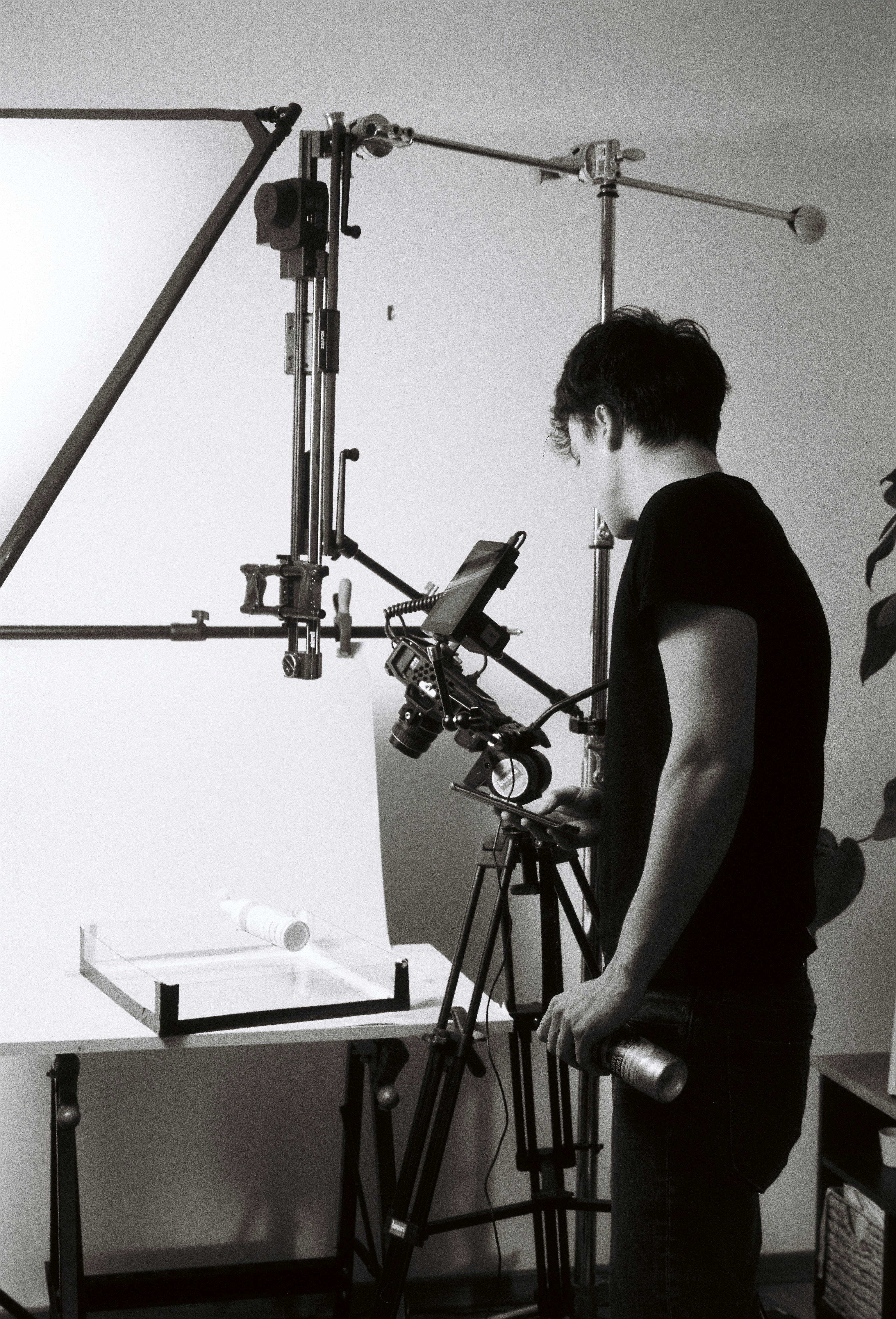
Can AI replace traditional video production for advertising?
AI can replace parts of traditional video production—and, for the right brief, it can replace the shoot itself. But the highest-performing approach is rarely a blanket choice between AI and a camera. Brands get better results when they match the production method to the message, product, audience, risk level, and number of creative variations required.
This practical guide explains where AI video advertising is already strong, where live action remains the safer creative choice, and how a hybrid workflow combines human direction with AI, 3D, VFX, digital avatars, and conventional production. It is written for marketing leaders who need faster campaigns without sacrificing brand consistency, credibility, or commercial impact.
Table of Contents
Can AI Replace Traditional Video Production for Advertising?

The short answer is: AI can replace many production tasks, but it should not automatically replace every shoot. AI video advertising is most valuable when a brand needs speed, visual experimentation, localization, versioning, or scenes that would be expensive or impossible to capture physically. Traditional production remains valuable when a campaign depends on documentary truth, a recognisable person, tactile product behaviour, live performance, or legally sensitive proof.
Think of AI as a production system rather than a creative strategy. It can generate environments, extend shots, create storyboards, alter formats, localize dialogue, produce digital humans, and help teams explore many visual directions. It cannot decide what a brand should stand for. That responsibility still belongs to strategists, creative directors, filmmakers, designers, legal teams, and clients.
A useful decision starts with the campaign promise. If the ad sells imagination, transformation, spectacle, or a future-facing experience, AI, CGI, and VFX can be central. If it sells verified performance, real craftsmanship, authentic testimony, or a physical experience, captured footage may need to remain the foundation. Mimic Advertising's broader approach brings these disciplines together through its
creative production capabilities.
Use AI-led production when variation, speed, visual invention, or localization creates the advantage.
Use traditional production when real people, real places, authentic product behaviour, or evidence creates trust.
Use a hybrid workflow when the campaign needs both credibility and creative scale.
Where AI Video Advertising Works Best
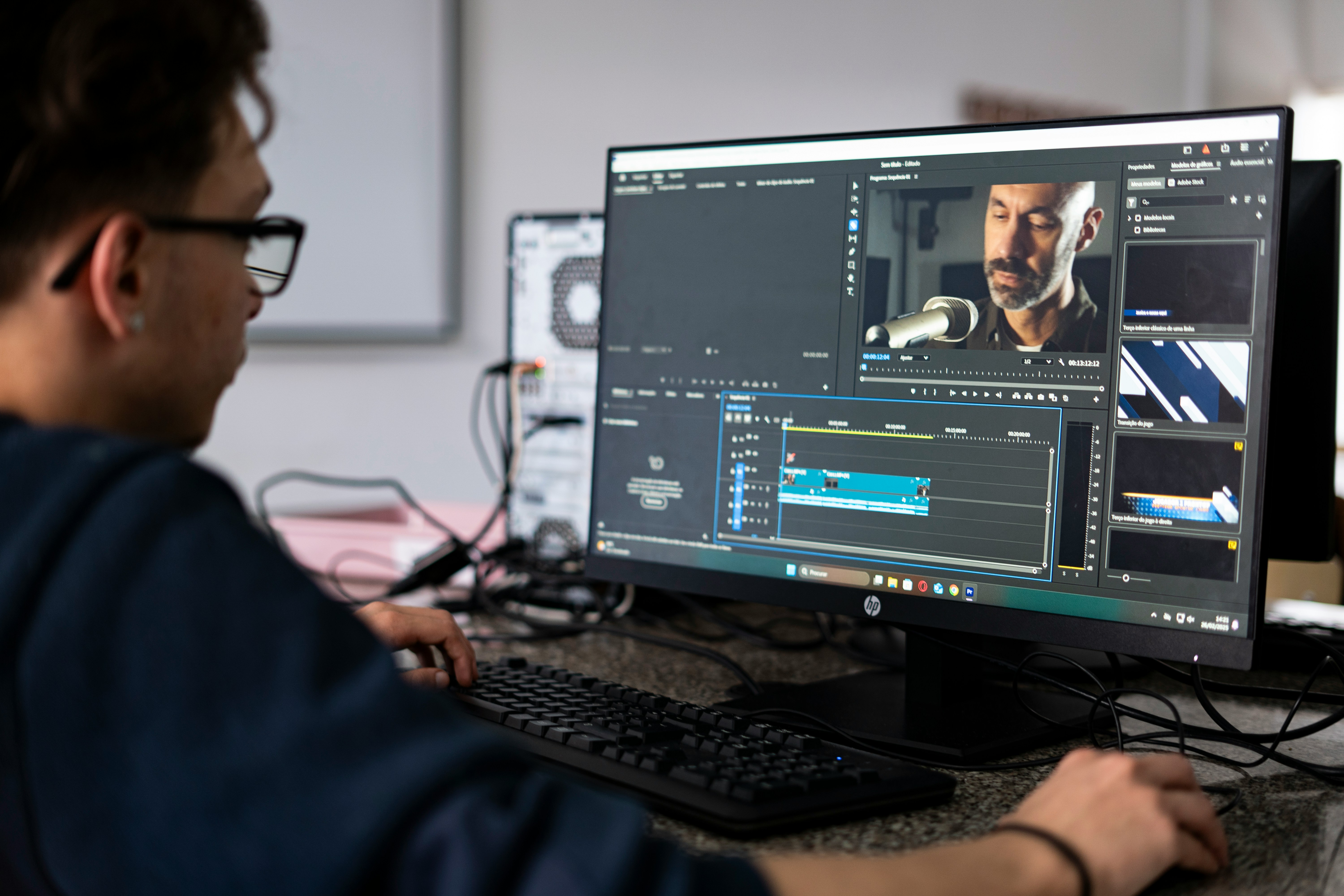
AI video advertising performs best when the brief rewards iteration. Paid social campaigns often need many hooks, opening frames, durations, aspect ratios, languages, calls to action, and audience-specific versions. Rebuilding every variation through a full shoot is slow. An AI-assisted pipeline can turn one approved creative system into a family of assets while preserving the campaign idea.
It is also powerful for pre-production. Teams can visualize a script before committing to locations, talent, wardrobe, lighting, and set construction. That does not merely save time; it improves decision quality. Stakeholders react more confidently to a moving visual prototype than to a paragraph describing a scene. Strong concepts can move forward, weak ones can be revised early, and the final production budget can be focused where the audience will notice it.
For products that are difficult to film, a combination of AI and
3D and VFX production can reveal internal mechanisms, transform scale, create impossible camera moves, or show a product in environments that do not exist. This is especially useful for technology, automotive, beauty, fashion, consumer electronics, and conceptual launches.
Rapid concept visualization and animatics before production approval.
Performance creative with multiple hooks, edits, formats, and calls to action.
Localized campaigns with adapted language, voice, backgrounds, and cultural details.
Synthetic environments, surreal transitions, product transformations, and impossible scenes.
Digital spokesperson or avatar content that must stay available across markets and channels.
Evergreen explainers and product demonstrations that need frequent updates.
Brands exploring a persistent virtual spokesperson can also connect campaign production with
digital avatar experiences rather than treating each video as an isolated asset.
When Traditional Video Production Is Better
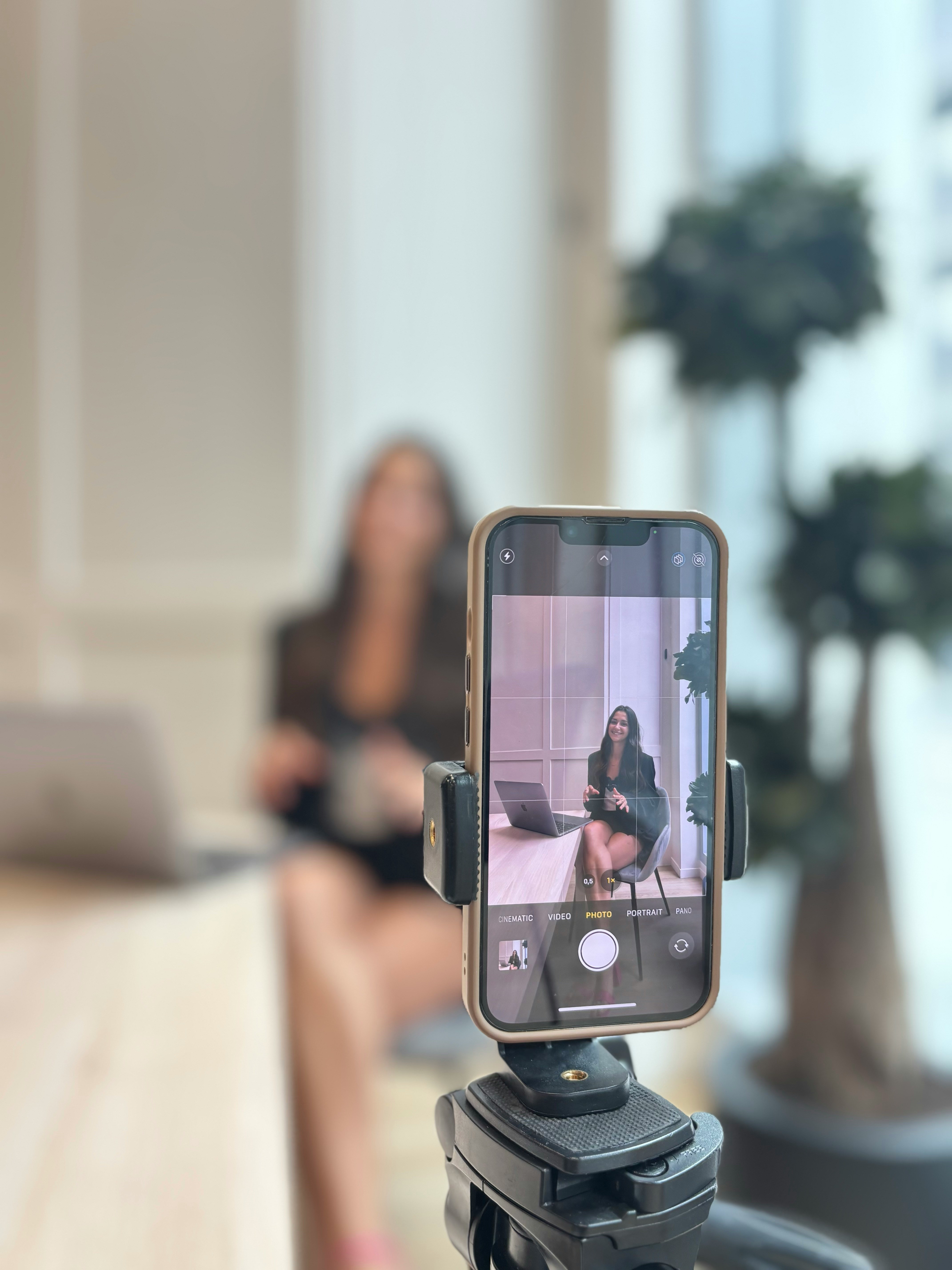
Traditional production is still the stronger choice when the truth of the moment is the creative idea. A founder telling a personal story, a customer describing a real outcome, an athlete performing under real conditions, or a craftsperson demonstrating material skill gains value from being visibly authentic. Replacing that evidence with generated footage may reduce trust even when the images look polished.
Physical products can also expose the limits of synthetic production. Liquids, fabrics, food, skin, reflections, transparent packaging, precise hand interaction, and subtle mechanical behaviour are difficult to fake consistently. A generated shot that is ninety-five percent convincing may still fail if the missing five percent is the product feature the campaign is meant to prove.
Regulated and high-trust categories require additional care. Healthcare, finance, safety, children, testimonials, and technical performance claims may need traceable source material, clear disclosures, documented approvals, and controlled editing. The question is not simply whether AI can make the scene. It is whether the final asset can be defended by the brand.
advertising services are designed to select the right craft for the brief instead of forcing every campaign through one technique.
Choose captured footage for real testimonials, documentary narratives, events, and live demonstrations.
Keep real photography when exact product interaction or material fidelity is the proof.
Prioritize conventional production when disclosure, rights, consent, or compliance risk is high.
Use experienced performers and directors when emotional nuance carries the story.
The Hybrid AI Video Production Workflow
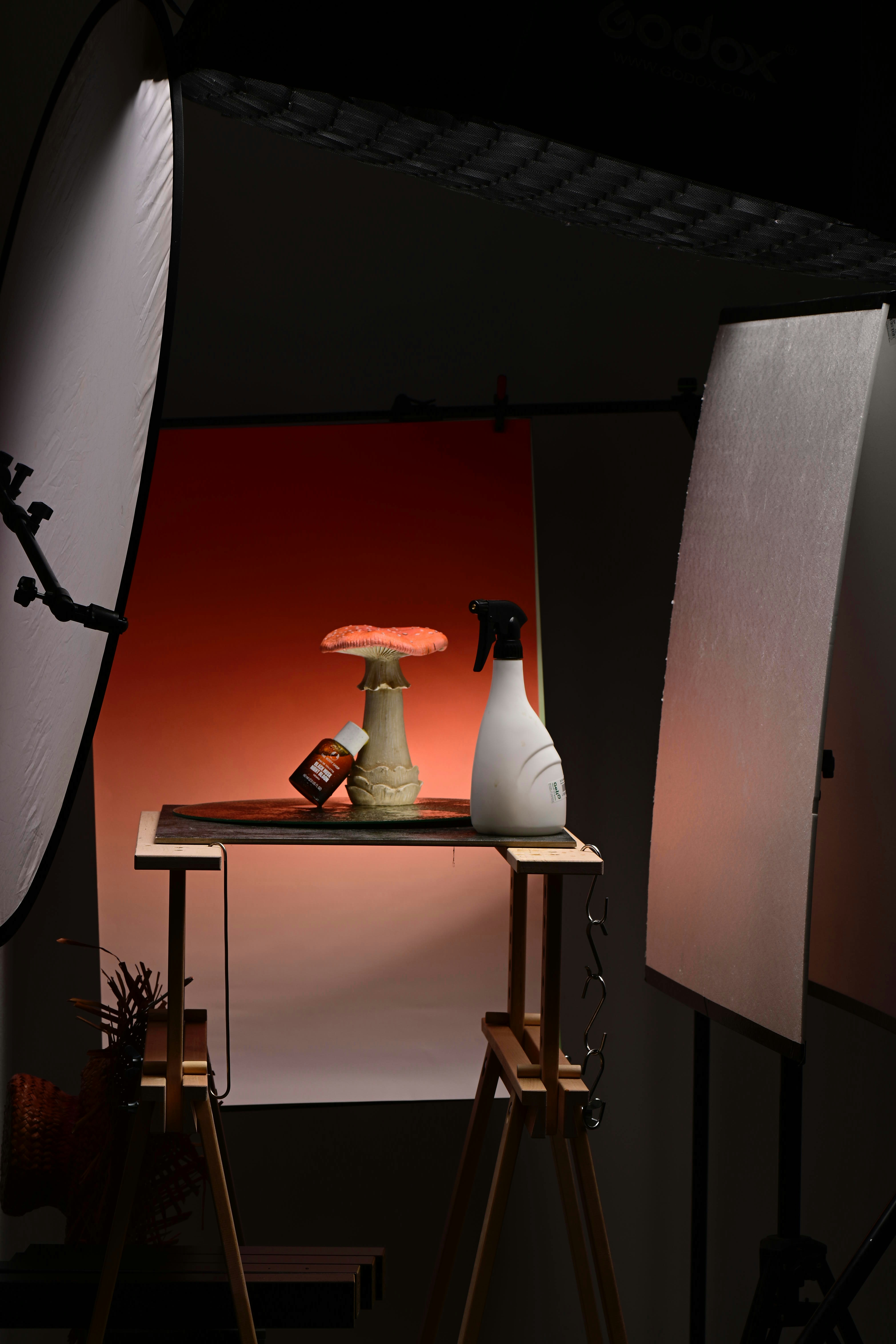
For many brands, the best answer is hybrid production: capture what must be true, generate what benefits from flexibility, and finish everything inside one visual system. This avoids the false choice between a traditional shoot and fully generated content. It also keeps humans accountable for the idea, performance, product fidelity, and final quality.
A hybrid campaign can begin with strategy, audience insight, and a clear creative proposition. AI-assisted references and moving storyboards then test composition, pacing, worlds, and transitions. The team captures hero product plates, talent performances, close-ups, or testimonial material. 3D, VFX, generative tools, motion graphics, and compositing expand the footage into multiple environments and formats.
technology capabilities support that integration, while the wider Mimic ecosystem makes it possible to connect live action, simulation, real-time characters, and advanced post-production.
Define the audience, offer, claim, and measurement plan before selecting tools.
Create visual prototypes to align stakeholders before expensive production decisions.
Capture the people, products, textures, and proof points that require reality.
Use AI, 3D, and VFX to extend environments, create transitions, and generate controlled variants.
Apply human quality control for anatomy, continuity, product accuracy, brand rules, rights, and disclosures.
Deliver channel-specific versions and use performance signals to guide the next creative round.
Mimicverse rather than disappearing after one media flight.
AI Video Advertising Cost, Speed, and ROI
AI does not make every campaign cheap, and a low generation cost is not the same as a low production cost. Brands still need strategy, scripts, visual development, asset preparation, prompt and model testing, editing, sound, compositing, legal review, delivery, and quality assurance. Complex work may require many failed generations before a usable sequence is found.
The commercial advantage usually comes from reducing specific cost drivers. Fewer travel days, smaller physical sets, less weather dependency, faster previsualization, reusable digital assets, and easier versioning can all improve efficiency. The savings become more meaningful when one campaign needs dozens of deliverables instead of one hero film.
Speed should also be measured across approvals, not only rendering. AI can produce options quickly, but too many unstructured options can slow a team down. A good production partner narrows the creative space, documents the approved look, and builds repeatable rules. That turns speed into an operational advantage instead of an endless experiment.
ROI ultimately depends on what happens after launch. A visually impressive AI ad can still fail if the offer is weak, the opening is slow, the message is unclear, or the landing experience breaks the promise. The campaign should be designed around meaningful outcomes such as qualified attention, completed views, click-through rate, conversion, incremental lift, or cost per acquisition.
Estimate the number of final variants, not only the price of one master film.
Separate exploratory generation from production-ready finishing and approvals.
Budget for sound, editing, compositing, rights checks, and human quality control.
Reuse approved digital assets to improve the economics of later campaigns.
Measure creative performance by audience response and business outcomes, not novelty.
For further planning, the site's guide to an
AI advertising production workflow explains how structured stages protect consistency and quality.
How to Choose the Right Production Approach
Start with the risk of being wrong. If a visual error would merely make a background less attractive, AI may be a sensible shortcut. If it would misrepresent the product, person, claim, or brand promise, capture the critical element for real or build it precisely in 3D. The production method should follow the consequence of inaccuracy.
Next, consider scale. A single brand film with famous talent and a real location may favor traditional production. A global paid campaign requiring twenty languages, six aspect ratios, multiple audience hooks, and monthly refreshes may justify a more modular AI-assisted system. A hybrid plan can create the hero material once and then expand it responsibly.
AI video production company should explain where it would not use AI. That answer reveals whether the studio is solving the communication problem or merely selling a tool.
What must the audience believe, feel, or do after seeing the ad?
Which parts of the story must be demonstrably real?
How many formats, languages, edits, and refresh cycles are required?
Does the brand own the inputs and have permission to use faces, voices, products, and references?
What review process will catch visual artifacts, product errors, bias, and unsafe claims?
Can the created assets be reused in future campaigns?
How will the team test whether the creative improves business results?
background and multidisciplinary approach, or review the practical guide to
building an AI advertising campaign from brief to delivery.
Frequently Asked Questions
Can AI completely replace a commercial video shoot?
Yes for some briefs, especially synthetic worlds, fast performance creative, localized variants, and conceptual product stories. It should not replace captured evidence, real testimonials, complex physical interaction, or sensitive claims when authenticity is essential.
Is AI video advertising cheaper than traditional production?
It can be, particularly when travel, sets, reshoots, or many versions drive the budget. Costs still include strategy, generation, editing, VFX, sound, rights review, quality control, and delivery. Compare the cost of the complete campaign system, not one generated clip.
How long does it take to create an AI video ad?
Simple tests can appear quickly, while polished brand work takes longer because visual consistency, product accuracy, performance, sound, compositing, and approvals require iteration. Timing depends on duration, complexity, number of scenes, and deliverables.
What types of ads are best suited to AI video production?
AI is well suited to social variants, previsualization, surreal environments, product transformations, digital avatars, localized versions, explainers, and campaigns where many creative options must be tested.
When should a brand choose live-action production?
Choose live action when real human emotion, documentary credibility, physical performance, material detail, authentic locations, or traceable proof is central to the message.
What is hybrid AI video production?
Hybrid production combines captured footage with AI, CGI, 3D, VFX, motion design, or virtual characters. The team films what needs to be real and uses digital techniques where flexibility, scale, or imagination adds value.
Are AI-generated ads safe for brands?
They can be when governed carefully. Brands need permission for inputs, rights and disclosure review, product-accuracy checks, bias and artifact checks, secure handling of confidential assets, and a human approval owner.
Will audiences reject AI-generated advertising?
Audiences usually reject irrelevant, deceptive, generic, or low-quality advertising more strongly than a production technique itself. Clear creative intent, appropriate disclosure, brand consistency, and real audience value matter more than novelty.
Can AI video ads be localized for different countries?
Yes. Language, voice, pacing, backgrounds, supers, calls to action, and some cultural details can be adapted. Native review remains essential to prevent translation errors, cultural mistakes, or inconsistent claims.
How do you measure the success of AI video advertising?
Use the same business-focused metrics as other advertising: qualified attention, watch time, click-through rate, conversion rate, cost per acquisition, incremental lift, and revenue contribution. Also compare variant-production speed and reuse of assets.
Conclusion
AI will replace parts of traditional advertising production, and for selected briefs it can replace the physical shoot. The better question is not whether AI or live action wins. It is which combination makes the brand's promise more persuasive, accurate, distinctive, scalable, and commercially useful.
The strongest campaigns protect the human decisions that matter—strategy, taste, performance, truth, and accountability—while using AI, 3D, VFX, and automation to expand what the team can create and how quickly it can learn.
Discuss your next AI video advertising campaign with Mimic Advertising.
Can AI replace traditional video production for advertising?
AI can replace parts of traditional video production—and, for the right brief, it can replace the shoot itself. But the highest-performing approach is rarely a blanket choice between AI and a camera. Brands get better results when they match the production method to the message, product, audience, risk level, and number of creative variations required.
This practical guide explains where AI video advertising is already strong, where live action remains the safer creative choice, and how a hybrid workflow combines human direction with AI, 3D, VFX, digital avatars, and conventional production. It is written for marketing leaders who need faster campaigns without sacrificing brand consistency, credibility, or commercial impact.
Table of Contents
Can AI Replace Traditional Video Production for Advertising?
The short answer is: AI can replace many production tasks, but it should not automatically replace every shoot. AI video advertising is most valuable when a brand needs speed, visual experimentation, localization, versioning, or scenes that would be expensive or impossible to capture physically. Traditional production remains valuable when a campaign depends on documentary truth, a recognisable person, tactile product behaviour, live performance, or legally sensitive proof.
Think of AI as a production system rather than a creative strategy. It can generate environments, extend shots, create storyboards, alter formats, localize dialogue, produce digital humans, and help teams explore many visual directions. It cannot decide what a brand should stand for. That responsibility still belongs to strategists, creative directors, filmmakers, designers, legal teams, and clients.
A useful decision starts with the campaign promise. If the ad sells imagination, transformation, spectacle, or a future-facing experience, AI, CGI, and VFX can be central. If it sells verified performance, real craftsmanship, authentic testimony, or a physical experience, captured footage may need to remain the foundation. Mimic Advertising's broader approach brings these disciplines together through its
creative production capabilities.
Use AI-led production when variation, speed, visual invention, or localization creates the advantage.
Use traditional production when real people, real places, authentic product behaviour, or evidence creates trust.
Use a hybrid workflow when the campaign needs both credibility and creative scale.
Where AI Video Advertising Works Best
AI video advertising performs best when the brief rewards iteration. Paid social campaigns often need many hooks, opening frames, durations, aspect ratios, languages, calls to action, and audience-specific versions. Rebuilding every variation through a full shoot is slow. An AI-assisted pipeline can turn one approved creative system into a family of assets while preserving the campaign idea.
It is also powerful for pre-production. Teams can visualize a script before committing to locations, talent, wardrobe, lighting, and set construction. That does not merely save time; it improves decision quality. Stakeholders react more confidently to a moving visual prototype than to a paragraph describing a scene. Strong concepts can move forward, weak ones can be revised early, and the final production budget can be focused where the audience will notice it.
For products that are difficult to film, a combination of AI and
3D and VFX production can reveal internal mechanisms, transform scale, create impossible camera moves, or show a product in environments that do not exist. This is especially useful for technology, automotive, beauty, fashion, consumer electronics, and conceptual launches.
Rapid concept visualization and animatics before production approval.
Performance creative with multiple hooks, edits, formats, and calls to action.
Localized campaigns with adapted language, voice, backgrounds, and cultural details.
Synthetic environments, surreal transitions, product transformations, and impossible scenes.
Digital spokesperson or avatar content that must stay available across markets and channels.
Evergreen explainers and product demonstrations that need frequent updates.
Brands exploring a persistent virtual spokesperson can also connect campaign production with
digital avatar experiences rather than treating each video as an isolated asset.
When Traditional Video Production Is Better
Traditional production is still the stronger choice when the truth of the moment is the creative idea. A founder telling a personal story, a customer describing a real outcome, an athlete performing under real conditions, or a craftsperson demonstrating material skill gains value from being visibly authentic. Replacing that evidence with generated footage may reduce trust even when the images look polished.
Physical products can also expose the limits of synthetic production. Liquids, fabrics, food, skin, reflections, transparent packaging, precise hand interaction, and subtle mechanical behaviour are difficult to fake consistently. A generated shot that is ninety-five percent convincing may still fail if the missing five percent is the product feature the campaign is meant to prove.
Regulated and high-trust categories require additional care. Healthcare, finance, safety, children, testimonials, and technical performance claims may need traceable source material, clear disclosures, documented approvals, and controlled editing. The question is not simply whether AI can make the scene. It is whether the final asset can be defended by the brand.
advertising services are designed to select the right craft for the brief instead of forcing every campaign through one technique.
Choose captured footage for real testimonials, documentary narratives, events, and live demonstrations.
Keep real photography when exact product interaction or material fidelity is the proof.
Prioritize conventional production when disclosure, rights, consent, or compliance risk is high.
Use experienced performers and directors when emotional nuance carries the story.
The Hybrid AI Video Production Workflow
For many brands, the best answer is hybrid production: capture what must be true, generate what benefits from flexibility, and finish everything inside one visual system. This avoids the false choice between a traditional shoot and fully generated content. It also keeps humans accountable for the idea, performance, product fidelity, and final quality.
A hybrid campaign can begin with strategy, audience insight, and a clear creative proposition. AI-assisted references and moving storyboards then test composition, pacing, worlds, and transitions. The team captures hero product plates, talent performances, close-ups, or testimonial material. 3D, VFX, generative tools, motion graphics, and compositing expand the footage into multiple environments and formats.
technology capabilities support that integration, while the wider Mimic ecosystem makes it possible to connect live action, simulation, real-time characters, and advanced post-production.
Define the audience, offer, claim, and measurement plan before selecting tools.
Create visual prototypes to align stakeholders before expensive production decisions.
Capture the people, products, textures, and proof points that require reality.
Use AI, 3D, and VFX to extend environments, create transitions, and generate controlled variants.
Apply human quality control for anatomy, continuity, product accuracy, brand rules, rights, and disclosures.
Deliver channel-specific versions and use performance signals to guide the next creative round.
Mimicverse rather than disappearing after one media flight.
AI Video Advertising Cost, Speed, and ROI
AI does not make every campaign cheap, and a low generation cost is not the same as a low production cost. Brands still need strategy, scripts, visual development, asset preparation, prompt and model testing, editing, sound, compositing, legal review, delivery, and quality assurance. Complex work may require many failed generations before a usable sequence is found.
The commercial advantage usually comes from reducing specific cost drivers. Fewer travel days, smaller physical sets, less weather dependency, faster previsualization, reusable digital assets, and easier versioning can all improve efficiency. The savings become more meaningful when one campaign needs dozens of deliverables instead of one hero film.
Speed should also be measured across approvals, not only rendering. AI can produce options quickly, but too many unstructured options can slow a team down. A good production partner narrows the creative space, documents the approved look, and builds repeatable rules. That turns speed into an operational advantage instead of an endless experiment.
ROI ultimately depends on what happens after launch. A visually impressive AI ad can still fail if the offer is weak, the opening is slow, the message is unclear, or the landing experience breaks the promise. The campaign should be designed around meaningful outcomes such as qualified attention, completed views, click-through rate, conversion, incremental lift, or cost per acquisition.
Estimate the number of final variants, not only the price of one master film.
Separate exploratory generation from production-ready finishing and approvals.
Budget for sound, editing, compositing, rights checks, and human quality control.
Reuse approved digital assets to improve the economics of later campaigns.
Measure creative performance by audience response and business outcomes, not novelty.
For further planning, the site's guide to an
AI advertising production workflow explains how structured stages protect consistency and quality.
How to Choose the Right Production Approach
Start with the risk of being wrong. If a visual error would merely make a background less attractive, AI may be a sensible shortcut. If it would misrepresent the product, person, claim, or brand promise, capture the critical element for real or build it precisely in 3D. The production method should follow the consequence of inaccuracy.
Next, consider scale. A single brand film with famous talent and a real location may favor traditional production. A global paid campaign requiring twenty languages, six aspect ratios, multiple audience hooks, and monthly refreshes may justify a more modular AI-assisted system. A hybrid plan can create the hero material once and then expand it responsibly.
AI video production company should explain where it would not use AI. That answer reveals whether the studio is solving the communication problem or merely selling a tool.
What must the audience believe, feel, or do after seeing the ad?
Which parts of the story must be demonstrably real?
How many formats, languages, edits, and refresh cycles are required?
Does the brand own the inputs and have permission to use faces, voices, products, and references?
What review process will catch visual artifacts, product errors, bias, and unsafe claims?
Can the created assets be reused in future campaigns?
How will the team test whether the creative improves business results?
background and multidisciplinary approach, or review the practical guide to
building an AI advertising campaign from brief to delivery.
Frequently Asked Questions
Can AI completely replace a commercial video shoot?
Yes for some briefs, especially synthetic worlds, fast performance creative, localized variants, and conceptual product stories. It should not replace captured evidence, real testimonials, complex physical interaction, or sensitive claims when authenticity is essential.
Is AI video advertising cheaper than traditional production?
It can be, particularly when travel, sets, reshoots, or many versions drive the budget. Costs still include strategy, generation, editing, VFX, sound, rights review, quality control, and delivery. Compare the cost of the complete campaign system, not one generated clip.
How long does it take to create an AI video ad?
Simple tests can appear quickly, while polished brand work takes longer because visual consistency, product accuracy, performance, sound, compositing, and approvals require iteration. Timing depends on duration, complexity, number of scenes, and deliverables.
What types of ads are best suited to AI video production?
AI is well suited to social variants, previsualization, surreal environments, product transformations, digital avatars, localized versions, explainers, and campaigns where many creative options must be tested.
When should a brand choose live-action production?
Choose live action when real human emotion, documentary credibility, physical performance, material detail, authentic locations, or traceable proof is central to the message.
What is hybrid AI video production?
Hybrid production combines captured footage with AI, CGI, 3D, VFX, motion design, or virtual characters. The team films what needs to be real and uses digital techniques where flexibility, scale, or imagination adds value.
Are AI-generated ads safe for brands?
They can be when governed carefully. Brands need permission for inputs, rights and disclosure review, product-accuracy checks, bias and artifact checks, secure handling of confidential assets, and a human approval owner.
Will audiences reject AI-generated advertising?
Audiences usually reject irrelevant, deceptive, generic, or low-quality advertising more strongly than a production technique itself. Clear creative intent, appropriate disclosure, brand consistency, and real audience value matter more than novelty.
Can AI video ads be localized for different countries?
Yes. Language, voice, pacing, backgrounds, supers, calls to action, and some cultural details can be adapted. Native review remains essential to prevent translation errors, cultural mistakes, or inconsistent claims.
How do you measure the success of AI video advertising?
Use the same business-focused metrics as other advertising: qualified attention, watch time, click-through rate, conversion rate, cost per acquisition, incremental lift, and revenue contribution. Also compare variant-production speed and reuse of assets.
Conclusion
AI will replace parts of traditional advertising production, and for selected briefs it can replace the physical shoot. The better question is not whether AI or live action wins. It is which combination makes the brand's promise more persuasive, accurate, distinctive, scalable, and commercially useful.
The strongest campaigns protect the human decisions that matter—strategy, taste, performance, truth, and accountability—while using AI, 3D, VFX, and automation to expand what the team can create and how quickly it can learn.
Discuss your next AI video advertising campaign with Mimic Advertising.