
How does video advertising production turn a campaign goal into ads that work across several platforms, formats, and audience groups?
Video advertising production becomes easier to plan when the team starts with the decision, audience, evidence, and delivery conditions. The tools matter, but they do not replace a clear brief or a review process that catches problems early.
This guide is written for brand managers, agency teams, founders, producers, and performance marketers. It explains the workflow in practical terms and links each stage to a clear, adaptable advertising idea with strong branding, credible proof, and versions designed for the places where people will see it. Explore Mimic Advertising for services, project examples, and related production guidance.
Table of Contents
What Is Video Advertising Production?

Video advertising production covers the creative, planning, filming, animation, post-production, approval, and delivery work behind paid video campaigns. It begins with the business problem and media plan, not with a camera or a software package.
A common mistake is approving a visually attractive concept before anyone checks whether it can communicate the product, claim, proof, and call to action inside the required duration.
A practical review separates the intended result from the method used to reach it. For brand managers, agency teams, founders, producers, and performance marketers, that means checking the source material, assumptions, responsibilities, intermediate approvals, and delivery conditions before scaling the work. Early evidence is cheaper to change than a nearly finished output.
Record the decision behind each approval and test the work in the context where it will be used. This helps the team distinguish a creative preference from a technical failure, missing input, or change in scope. Read a related Mimic Advertising guide for another part of the workflow.
Good review notes describe what is wrong, where it appears, why it matters, and what a successful revision should achieve. They avoid broad reactions that force the team to guess. When several stakeholders are involved, one person should consolidate feedback, resolve contradictions, and confirm which comments are required before the next stage begins.
Before moving on, confirm the owner, inputs, expected output, review method, known limits, and one test that would reveal a weak result. That short check keeps effort focused on a clear, adaptable advertising idea with strong branding, credible proof, and versions designed for the places where people will see it.
What Should a Video Advertising Brief Include?

A useful brief names the audience, problem, offer, product truth, desired response, mandatory claims, brand rules, placements, durations, languages, budget, timing, and approval owners. It also separates facts from creative interpretation.
Vague requests for something viral or cinematic leave the team guessing. A precise brief gives directors and writers room to be inventive within boundaries that protect the campaign.
A practical review separates the intended result from the method used to reach it. For brand managers, agency teams, founders, producers, and performance marketers, that means checking the source material, assumptions, responsibilities, intermediate approvals, and delivery conditions before scaling the work. Early evidence is cheaper to change than a nearly finished output.
Record the decision behind each approval and test the work in the context where it will be used. This helps the team distinguish a creative preference from a technical failure, missing input, or change in scope. Read a related Mimic Advertising guide for another part of the workflow.
Good review notes describe what is wrong, where it appears, why it matters, and what a successful revision should achieve. They avoid broad reactions that force the team to guess. When several stakeholders are involved, one person should consolidate feedback, resolve contradictions, and confirm which comments are required before the next stage begins.
Before moving on, confirm the owner, inputs, expected output, review method, known limits, and one test that would reveal a weak result. That short check keeps effort focused on a clear, adaptable advertising idea with strong branding, credible proof, and versions designed for the places where people will see it.
How Are Video Ad Concepts Developed?

Concept development turns strategy into a situation viewers can understand quickly. Teams explore hooks, visual devices, demonstrations, characters, dialogue, product moments, proof, and endings before selecting an idea.
Each concept should be tested as a six-second opening, a muted mobile view, and a full-length story. If the central idea disappears when the edit gets shorter, it may be too dependent on setup.
A practical review separates the intended result from the method used to reach it. For brand managers, agency teams, founders, producers, and performance marketers, that means checking the source material, assumptions, responsibilities, intermediate approvals, and delivery conditions before scaling the work. Early evidence is cheaper to change than a nearly finished output.
Record the decision behind each approval and test the work in the context where it will be used. This helps the team distinguish a creative preference from a technical failure, missing input, or change in scope. Read a related Mimic Advertising guide for another part of the workflow.
Good review notes describe what is wrong, where it appears, why it matters, and what a successful revision should achieve. They avoid broad reactions that force the team to guess. When several stakeholders are involved, one person should consolidate feedback, resolve contradictions, and confirm which comments are required before the next stage begins.
Before moving on, confirm the owner, inputs, expected output, review method, known limits, and one test that would reveal a weak result. That short check keeps effort focused on a clear, adaptable advertising idea with strong branding, credible proof, and versions designed for the places where people will see it.
What Happens During Advertising Video Production?

Pre-production locks scripts, storyboards, casting, locations, sets, products, wardrobe, shot lists, schedules, safety, and technical tests. Production then captures planned performances and product evidence with enough coverage for the agreed versions.
The producer protects the idea by making decisions visible. When a location, prop, performance, or camera move changes, the team checks the effect on claims, continuity, edit options, cost, and delivery dates.
A practical review separates the intended result from the method used to reach it. For brand managers, agency teams, founders, producers, and performance marketers, that means checking the source material, assumptions, responsibilities, intermediate approvals, and delivery conditions before scaling the work. Early evidence is cheaper to change than a nearly finished output.
Record the decision behind each approval and test the work in the context where it will be used. This helps the team distinguish a creative preference from a technical failure, missing input, or change in scope. Read a related Mimic Advertising guide for another part of the workflow.
Good review notes describe what is wrong, where it appears, why it matters, and what a successful revision should achieve. They avoid broad reactions that force the team to guess. When several stakeholders are involved, one person should consolidate feedback, resolve contradictions, and confirm which comments are required before the next stage begins.
Before moving on, confirm the owner, inputs, expected output, review method, known limits, and one test that would reveal a weak result. That short check keeps effort focused on a clear, adaptable advertising idea with strong branding, credible proof, and versions designed for the places where people will see it.
How Does Post-Production Shape a Video Ad?
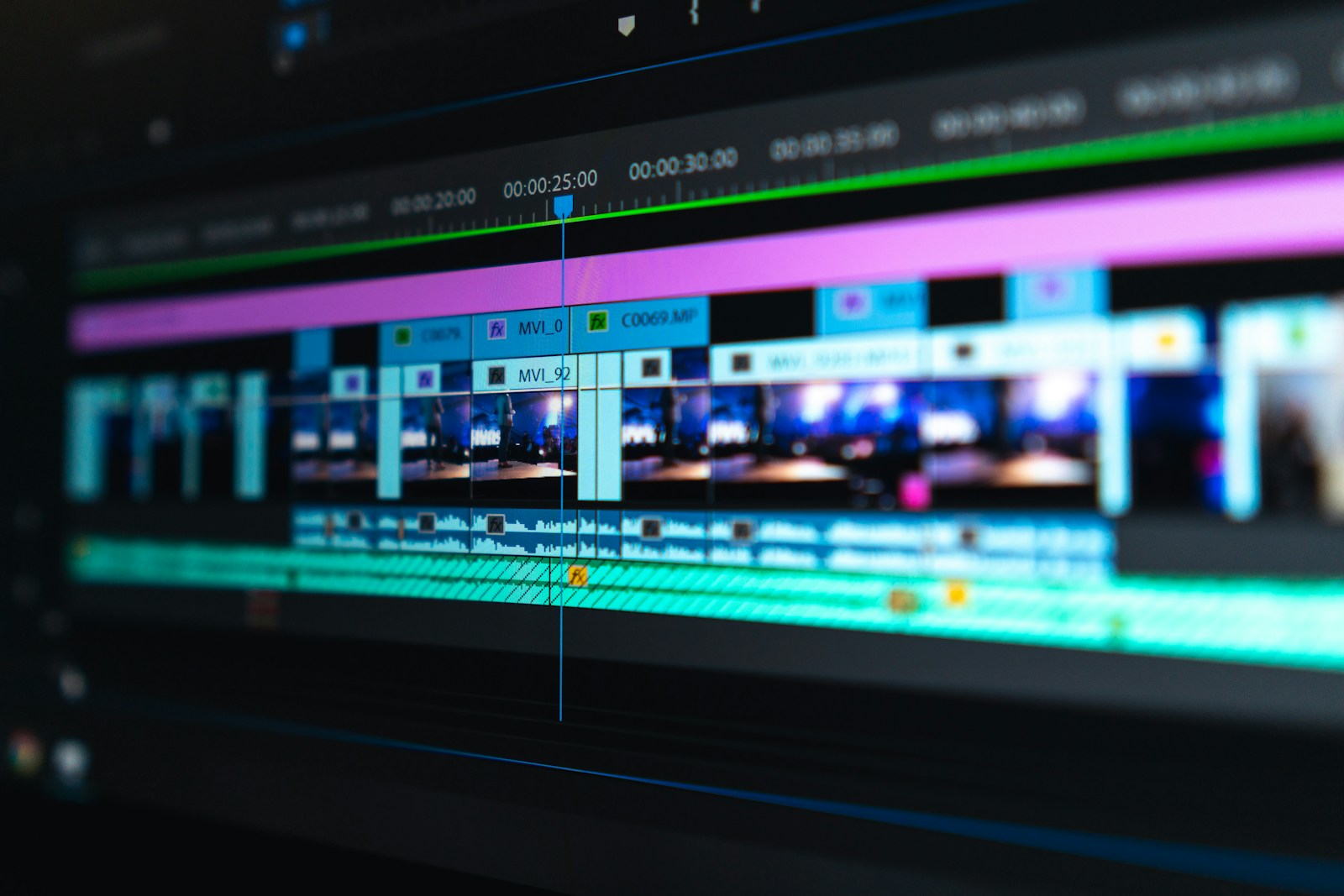
Editing establishes the hook, pace, message order, product timing, and call to action. Color, sound, music, VFX, animation, cleanup, captions, legal lines, and final graphics make the approved story consistent and legible.
Post-production is not a repair department for an unresolved strategy. The best results come from planning product shots, screen replacements, transitions, VFX plates, aspect ratios, and safe areas before filming.
A practical review separates the intended result from the method used to reach it. For brand managers, agency teams, founders, producers, and performance marketers, that means checking the source material, assumptions, responsibilities, intermediate approvals, and delivery conditions before scaling the work. Early evidence is cheaper to change than a nearly finished output.
Record the decision behind each approval and test the work in the context where it will be used. This helps the team distinguish a creative preference from a technical failure, missing input, or change in scope. Read a related Mimic Advertising guide for another part of the workflow.
Good review notes describe what is wrong, where it appears, why it matters, and what a successful revision should achieve. They avoid broad reactions that force the team to guess. When several stakeholders are involved, one person should consolidate feedback, resolve contradictions, and confirm which comments are required before the next stage begins.
Before moving on, confirm the owner, inputs, expected output, review method, known limits, and one test that would reveal a weak result. That short check keeps effort focused on a clear, adaptable advertising idea with strong branding, credible proof, and versions designed for the places where people will see it.
How Are Video Ads Adapted and Tested?

Campaigns often need horizontal, square, and vertical versions, plus six-, fifteen-, thirty-, and longer edits. Each version should be recomposed and paced for its placement instead of being treated as a simple crop.
Testing should compare meaningful creative variables such as the opening image, first line, product timing, proof, offer, or call to action. Hold the audience and buying conditions steady before crediting the creative for a change in results.
A practical review separates the intended result from the method used to reach it. For brand managers, agency teams, founders, producers, and performance marketers, that means checking the source material, assumptions, responsibilities, intermediate approvals, and delivery conditions before scaling the work. Early evidence is cheaper to change than a nearly finished output.
Record the decision behind each approval and test the work in the context where it will be used. This helps the team distinguish a creative preference from a technical failure, missing input, or change in scope. Read a related Mimic Advertising guide for another part of the workflow.
Good review notes describe what is wrong, where it appears, why it matters, and what a successful revision should achieve. They avoid broad reactions that force the team to guess. When several stakeholders are involved, one person should consolidate feedback, resolve contradictions, and confirm which comments are required before the next stage begins.
Before moving on, confirm the owner, inputs, expected output, review method, known limits, and one test that would reveal a weak result. That short check keeps effort focused on a clear, adaptable advertising idea with strong branding, credible proof, and versions designed for the places where people will see it.
Frequently Asked Questions
How long does video advertising production take?
A focused campaign may take several weeks. Casting, locations, product prototypes, animation, VFX, legal review, localization, and many versions can extend the schedule.
How much does a video advertising campaign cost?
Cost depends on the idea, shoot days, crew, cast, locations, equipment, art direction, travel, VFX, music, usage rights, languages, and number of deliverables.
What is the difference between a commercial and a video ad?
Commercial often refers to a produced advertising film, while video ad can include many paid digital formats. The production principles overlap, but placement rules and viewer behavior differ.
Should the brand appear in the first seconds?
Recognizable product or brand cues should usually arrive early in skippable and mobile placements. They should feel part of the idea, not like a separate logo card.
Can one master work on every platform?
One master can provide source material, but effective campaigns usually need platform-specific framing, duration, captions, safe areas, pacing, and calls to action.
When should VFX be planned?
Plan VFX during concept and pre-production whenever it affects lighting, framing, camera movement, set design, clean plates, tracking markers, or product interaction.
How many ad versions should a brand create?
Create enough versions to serve the planned placements and test important creative differences. More near-identical edits do not automatically produce better learning.
What should be approved before filming?
Approve the strategy, script, storyboard, claims, product presentation, casting, key locations, visual references, deliverables, budget, and decision chain.
How is video advertising performance measured?
Use metrics that match the goal, such as qualified reach, view-through, completion, lift, site behavior, leads, sales, or brand search.
Do video ads need captions?
Yes for most digital placements. Captions improve comprehension when sound is off and support accessibility, but visuals should still communicate the main idea.
Conclusion
Video advertising production works best when creative ambition and practical planning support each other. Define the result, gather the right inputs, review important decisions early, and keep the final use in view throughout production.
If you are planning a related project, contact Mimic Advertising to discuss the brief, schedule, workflow, review stages, and required deliverables.
How does video advertising production turn a campaign goal into ads that work across several platforms, formats, and audience groups?
Video advertising production becomes easier to plan when the team starts with the decision, audience, evidence, and delivery conditions. The tools matter, but they do not replace a clear brief or a review process that catches problems early.
This guide is written for brand managers, agency teams, founders, producers, and performance marketers. It explains the workflow in practical terms and links each stage to a clear, adaptable advertising idea with strong branding, credible proof, and versions designed for the places where people will see it. Explore Mimic Advertising for services, project examples, and related production guidance.
Table of Contents
What Is Video Advertising Production?
Video advertising production covers the creative, planning, filming, animation, post-production, approval, and delivery work behind paid video campaigns. It begins with the business problem and media plan, not with a camera or a software package.
A common mistake is approving a visually attractive concept before anyone checks whether it can communicate the product, claim, proof, and call to action inside the required duration.
A practical review separates the intended result from the method used to reach it. For brand managers, agency teams, founders, producers, and performance marketers, that means checking the source material, assumptions, responsibilities, intermediate approvals, and delivery conditions before scaling the work. Early evidence is cheaper to change than a nearly finished output.
Record the decision behind each approval and test the work in the context where it will be used. This helps the team distinguish a creative preference from a technical failure, missing input, or change in scope. Read a related Mimic Advertising guide for another part of the workflow.
Good review notes describe what is wrong, where it appears, why it matters, and what a successful revision should achieve. They avoid broad reactions that force the team to guess. When several stakeholders are involved, one person should consolidate feedback, resolve contradictions, and confirm which comments are required before the next stage begins.
Before moving on, confirm the owner, inputs, expected output, review method, known limits, and one test that would reveal a weak result. That short check keeps effort focused on a clear, adaptable advertising idea with strong branding, credible proof, and versions designed for the places where people will see it.
What Should a Video Advertising Brief Include?
A useful brief names the audience, problem, offer, product truth, desired response, mandatory claims, brand rules, placements, durations, languages, budget, timing, and approval owners. It also separates facts from creative interpretation.
Vague requests for something viral or cinematic leave the team guessing. A precise brief gives directors and writers room to be inventive within boundaries that protect the campaign.
A practical review separates the intended result from the method used to reach it. For brand managers, agency teams, founders, producers, and performance marketers, that means checking the source material, assumptions, responsibilities, intermediate approvals, and delivery conditions before scaling the work. Early evidence is cheaper to change than a nearly finished output.
Record the decision behind each approval and test the work in the context where it will be used. This helps the team distinguish a creative preference from a technical failure, missing input, or change in scope. Read a related Mimic Advertising guide for another part of the workflow.
Good review notes describe what is wrong, where it appears, why it matters, and what a successful revision should achieve. They avoid broad reactions that force the team to guess. When several stakeholders are involved, one person should consolidate feedback, resolve contradictions, and confirm which comments are required before the next stage begins.
Before moving on, confirm the owner, inputs, expected output, review method, known limits, and one test that would reveal a weak result. That short check keeps effort focused on a clear, adaptable advertising idea with strong branding, credible proof, and versions designed for the places where people will see it.
How Are Video Ad Concepts Developed?
Concept development turns strategy into a situation viewers can understand quickly. Teams explore hooks, visual devices, demonstrations, characters, dialogue, product moments, proof, and endings before selecting an idea.
Each concept should be tested as a six-second opening, a muted mobile view, and a full-length story. If the central idea disappears when the edit gets shorter, it may be too dependent on setup.
A practical review separates the intended result from the method used to reach it. For brand managers, agency teams, founders, producers, and performance marketers, that means checking the source material, assumptions, responsibilities, intermediate approvals, and delivery conditions before scaling the work. Early evidence is cheaper to change than a nearly finished output.
Record the decision behind each approval and test the work in the context where it will be used. This helps the team distinguish a creative preference from a technical failure, missing input, or change in scope. Read a related Mimic Advertising guide for another part of the workflow.
Good review notes describe what is wrong, where it appears, why it matters, and what a successful revision should achieve. They avoid broad reactions that force the team to guess. When several stakeholders are involved, one person should consolidate feedback, resolve contradictions, and confirm which comments are required before the next stage begins.
Before moving on, confirm the owner, inputs, expected output, review method, known limits, and one test that would reveal a weak result. That short check keeps effort focused on a clear, adaptable advertising idea with strong branding, credible proof, and versions designed for the places where people will see it.
What Happens During Advertising Video Production?
Pre-production locks scripts, storyboards, casting, locations, sets, products, wardrobe, shot lists, schedules, safety, and technical tests. Production then captures planned performances and product evidence with enough coverage for the agreed versions.
The producer protects the idea by making decisions visible. When a location, prop, performance, or camera move changes, the team checks the effect on claims, continuity, edit options, cost, and delivery dates.
A practical review separates the intended result from the method used to reach it. For brand managers, agency teams, founders, producers, and performance marketers, that means checking the source material, assumptions, responsibilities, intermediate approvals, and delivery conditions before scaling the work. Early evidence is cheaper to change than a nearly finished output.
Record the decision behind each approval and test the work in the context where it will be used. This helps the team distinguish a creative preference from a technical failure, missing input, or change in scope. Read a related Mimic Advertising guide for another part of the workflow.
Good review notes describe what is wrong, where it appears, why it matters, and what a successful revision should achieve. They avoid broad reactions that force the team to guess. When several stakeholders are involved, one person should consolidate feedback, resolve contradictions, and confirm which comments are required before the next stage begins.
Before moving on, confirm the owner, inputs, expected output, review method, known limits, and one test that would reveal a weak result. That short check keeps effort focused on a clear, adaptable advertising idea with strong branding, credible proof, and versions designed for the places where people will see it.
How Does Post-Production Shape a Video Ad?
Editing establishes the hook, pace, message order, product timing, and call to action. Color, sound, music, VFX, animation, cleanup, captions, legal lines, and final graphics make the approved story consistent and legible.
Post-production is not a repair department for an unresolved strategy. The best results come from planning product shots, screen replacements, transitions, VFX plates, aspect ratios, and safe areas before filming.
A practical review separates the intended result from the method used to reach it. For brand managers, agency teams, founders, producers, and performance marketers, that means checking the source material, assumptions, responsibilities, intermediate approvals, and delivery conditions before scaling the work. Early evidence is cheaper to change than a nearly finished output.
Record the decision behind each approval and test the work in the context where it will be used. This helps the team distinguish a creative preference from a technical failure, missing input, or change in scope. Read a related Mimic Advertising guide for another part of the workflow.
Good review notes describe what is wrong, where it appears, why it matters, and what a successful revision should achieve. They avoid broad reactions that force the team to guess. When several stakeholders are involved, one person should consolidate feedback, resolve contradictions, and confirm which comments are required before the next stage begins.
Before moving on, confirm the owner, inputs, expected output, review method, known limits, and one test that would reveal a weak result. That short check keeps effort focused on a clear, adaptable advertising idea with strong branding, credible proof, and versions designed for the places where people will see it.
How Are Video Ads Adapted and Tested?
Campaigns often need horizontal, square, and vertical versions, plus six-, fifteen-, thirty-, and longer edits. Each version should be recomposed and paced for its placement instead of being treated as a simple crop.
Testing should compare meaningful creative variables such as the opening image, first line, product timing, proof, offer, or call to action. Hold the audience and buying conditions steady before crediting the creative for a change in results.
A practical review separates the intended result from the method used to reach it. For brand managers, agency teams, founders, producers, and performance marketers, that means checking the source material, assumptions, responsibilities, intermediate approvals, and delivery conditions before scaling the work. Early evidence is cheaper to change than a nearly finished output.
Record the decision behind each approval and test the work in the context where it will be used. This helps the team distinguish a creative preference from a technical failure, missing input, or change in scope. Read a related Mimic Advertising guide for another part of the workflow.
Good review notes describe what is wrong, where it appears, why it matters, and what a successful revision should achieve. They avoid broad reactions that force the team to guess. When several stakeholders are involved, one person should consolidate feedback, resolve contradictions, and confirm which comments are required before the next stage begins.
Before moving on, confirm the owner, inputs, expected output, review method, known limits, and one test that would reveal a weak result. That short check keeps effort focused on a clear, adaptable advertising idea with strong branding, credible proof, and versions designed for the places where people will see it.
Frequently Asked Questions
How long does video advertising production take?
A focused campaign may take several weeks. Casting, locations, product prototypes, animation, VFX, legal review, localization, and many versions can extend the schedule.
How much does a video advertising campaign cost?
Cost depends on the idea, shoot days, crew, cast, locations, equipment, art direction, travel, VFX, music, usage rights, languages, and number of deliverables.
What is the difference between a commercial and a video ad?
Commercial often refers to a produced advertising film, while video ad can include many paid digital formats. The production principles overlap, but placement rules and viewer behavior differ.
Should the brand appear in the first seconds?
Recognizable product or brand cues should usually arrive early in skippable and mobile placements. They should feel part of the idea, not like a separate logo card.
Can one master work on every platform?
One master can provide source material, but effective campaigns usually need platform-specific framing, duration, captions, safe areas, pacing, and calls to action.
When should VFX be planned?
Plan VFX during concept and pre-production whenever it affects lighting, framing, camera movement, set design, clean plates, tracking markers, or product interaction.
How many ad versions should a brand create?
Create enough versions to serve the planned placements and test important creative differences. More near-identical edits do not automatically produce better learning.
What should be approved before filming?
Approve the strategy, script, storyboard, claims, product presentation, casting, key locations, visual references, deliverables, budget, and decision chain.
How is video advertising performance measured?
Use metrics that match the goal, such as qualified reach, view-through, completion, lift, site behavior, leads, sales, or brand search.
Do video ads need captions?
Yes for most digital placements. Captions improve comprehension when sound is off and support accessibility, but visuals should still communicate the main idea.
Conclusion
Video advertising production works best when creative ambition and practical planning support each other. Define the result, gather the right inputs, review important decisions early, and keep the final use in view throughout production.
If you are planning a related project, contact Mimic Advertising to discuss the brief, schedule, workflow, review stages, and required deliverables.