Character rigging services. Build the controls behind the performance.
Turn a character model into an asset an animator can pose. Mimic’s character rigging services for advertising connect the model, performance requirements and receiving production pipeline. The rig is planned around what the campaign needs the character to do, from a controlled product interaction to expressive body movement.

Define the range of movement
Provide the model and the actions it must perform. A character reaching for a product places different demands on shoulders, fingers and contact points than a character seen only in a portrait. Camera distance matters too: a close-up can reveal deformation that would be invisible in a wide shot.
Agree the poses that will be used to test the rig. Include extreme bends, twists and expressions that appear in the storyboard, together with ordinary movement. This turns rig approval into a review of the actual campaign requirements rather than a demonstration of controls without a production context.
Prepare the model and the animation handoff
Check the asset’s topology, proportions and separate components before rigging starts. Clothing, accessories and hair may need additional controls or a separate simulation stage. Identify these dependencies early so a change to the character does not arrive after animation has begun.
The receiving team should specify its software, version, control conventions and export requirements. Test a representative movement in that environment. Agree whether the delivery is an animator-facing rig, an export-ready character asset or another defined package; those handoffs are not interchangeable.
Rigging contributions in the portfolio
The Cartier project identifies character rigging as Mimic’s contribution. The finished campaign visual gives context for that work, but the credit does not imply that Mimic directed or produced the whole campaign. Rigging supplies the technical controls used within the wider production.
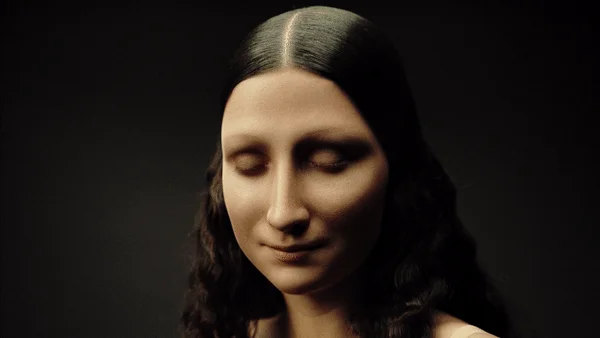
Mimic’s Mona Lisa reference includes character rigging and animation. The Vodafone Wimbledon digital-double project also includes rigging as part of a broader asset and performance contribution. These examples connect rig work with different character and campaign requirements, while keeping each project’s documented scope clear.
Scope the rig before animation starts
Send the latest model, reference poses, shot list, target software and details of the animation team. Mark any unfinished modelling decisions and the dates when those assets will be approved. If the character must support motion capture, include the source skeleton and retargeting requirements.
Rig complexity depends on the character, the required movement and the handoff. Body controls, facial controls, corrective deformation and simulation support should be listed separately in the brief. Request a quote against those requirements so the team can distinguish essential controls from work that the campaign will not use.
Frequently asked questions
01What is the difference between rigging and animation?
Rigging creates the controls and deformation setup used to pose a character. Animation uses that setup to produce movement and performance over time. They are separate stages and can be scoped together or independently.
02Can you rig a character model we already have?
Send the model and its technical details for review. Topology, proportions, movement requirements and the receiving software determine whether it is ready for rigging or needs modelling changes first.
03Does every rig include facial controls?
No. Facial requirements depend on the campaign shots and approved scope. State which expressions, dialogue or close-up movements are needed so the controls can be planned accordingly.
04Can our animation partner use the delivered rig?
Agree the partner’s software, versions, control conventions and technical requirements before production. A representative handoff test helps identify compatibility issues before full animation starts.
05Can the rig work with motion capture?
Motion capture use needs to be included in the brief. Source skeleton, reference pose, scale and target character proportions affect retargeting and the animation adjustments required.
06What do you need to estimate rigging work?
Provide the model, action or shot list, facial requirements, clothing and accessory details, receiving software and deadline. Include approval responsibilities and any planned changes to the asset.
LET’S TALK ABOUT YOUR NEXT CAMPAIGN.
Share your idea, deliverables and timeline. Our team will get back to you.