AI dynamic creative optimization is becoming a practical way for advertising teams to turn one campaign idea into many smarter, more relevant assets. Instead of guessing which message, product angle, visual, or format will work best, brands can build a creative system that tests, learns, and adapts while keeping the core story consistent.
For Mimic Advertising, this topic fits naturally because the studio already connects AI creative testing, VFX, 3D, digital avatars, motion graphics, social video, and campaign versioning. Dynamic creative optimization brings those capabilities into a performance workflow: create strong assets, personalize with purpose, measure the right signals, and improve the next round of creative without losing brand control.
This guide explains how AI dynamic creative optimization works, what inputs a brand needs, where human creative direction still matters, and how to measure whether personalized ads are improving attention, conversion, and trust.
Table of Contents
What AI Dynamic Creative Optimization Means
AI dynamic creative optimization, often shortened to AI DCO, is the practice of adapting ad creative based on audience context, campaign goal, platform behavior, and performance signals. It can change a headline, video hook, product shot, scene order, avatar script, offer, caption, format, or call to action while keeping the brand idea intact.
The strongest version is not random automation. It is a planned creative system. The team defines which elements can change, which claims must remain fixed, which audiences need different explanations, and which signals will decide whether a version is working. That makes DCO different from simply producing many edits. It connects production, personalization, and measurement in one loop.
Why Campaign Teams Need Adaptive Creative
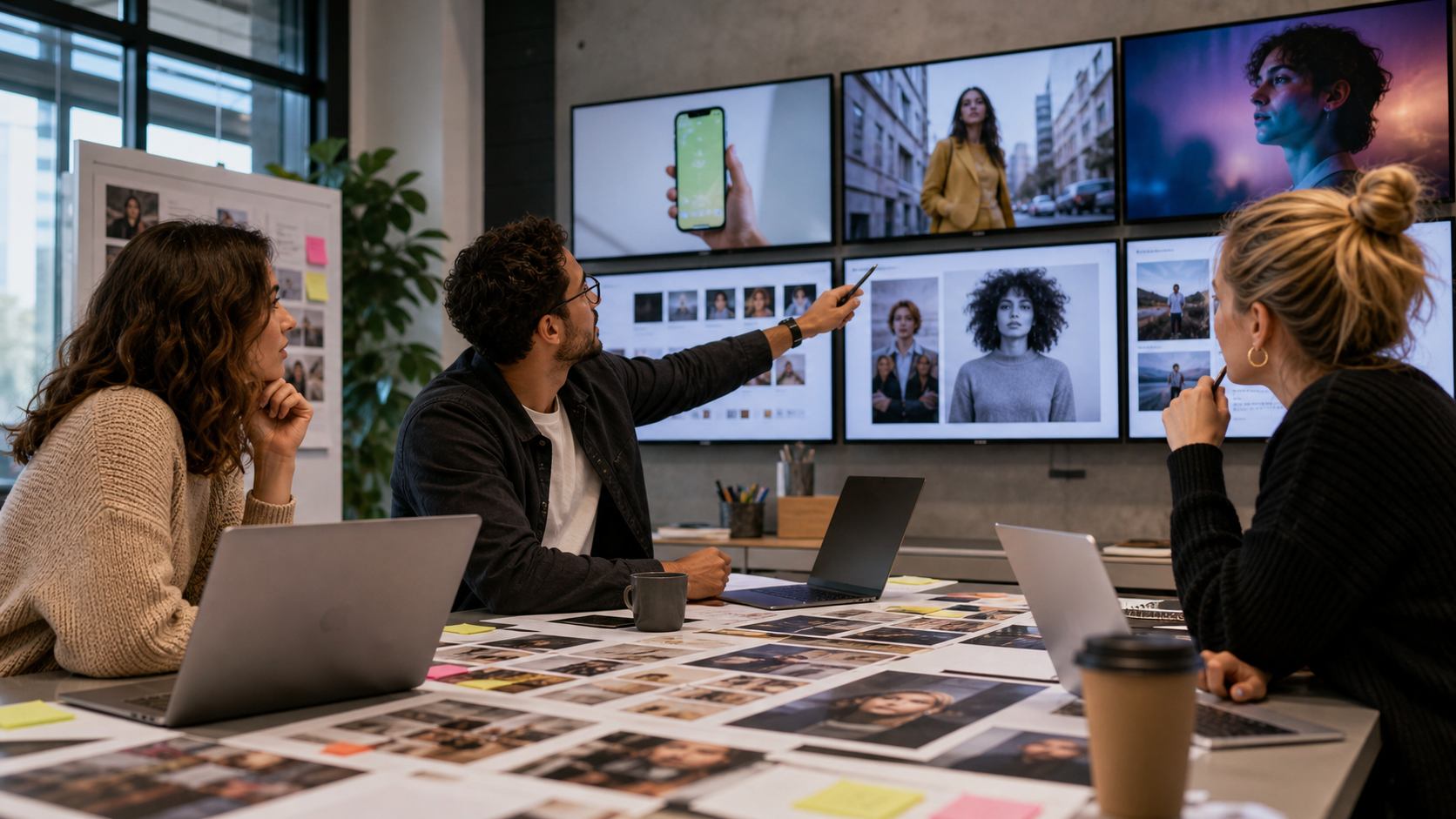
Modern campaigns rarely live in one channel. A single idea may need a cinematic hero video, paid social cutdowns, ecommerce visuals, localized product demos, event content, retargeting ads, and customer education assets. When every version is created as a separate production task, speed and consistency suffer.
Adaptive creative helps teams plan variation from the start. A product scene can be built so the angle, background, or message can shift. A digital presenter can explain different benefits for different segments. A motion-graphics template can support multiple offers. This connects directly to Mimic Advertising's AI advertising production workflow, where assets are designed for reuse rather than one-off output.
Faster learning: compare hooks, visuals, proof points, and calls to action without rebuilding the whole campaign.
Better relevance: adapt the message to audience intent, platform behavior, product stage, or market context.
Stronger control: keep brand rules, claims, design systems, and review checkpoints inside the variation process.
Benefits Across the Customer Journey
Dynamic creative optimization works best when each variation has a job in the customer journey. The goal is not to personalize everything. The goal is to remove friction, improve clarity, and show the right proof at the right moment.
Discovery: test visual hooks, short-form pacing, creator-style openings, avatar introductions, and platform-native captions.
Consideration: adapt product demos, benefits, objections, testimonials, and explainer sequences for each audience segment.
Conversion: refine offers, urgency, landing-page context, call-to-action language, and retargeting messages.
Retention: use recurring presenters, tutorials, localized education, and customer-success content to support existing buyers.
Dynamic Creative Optimization vs Traditional Ad Testing
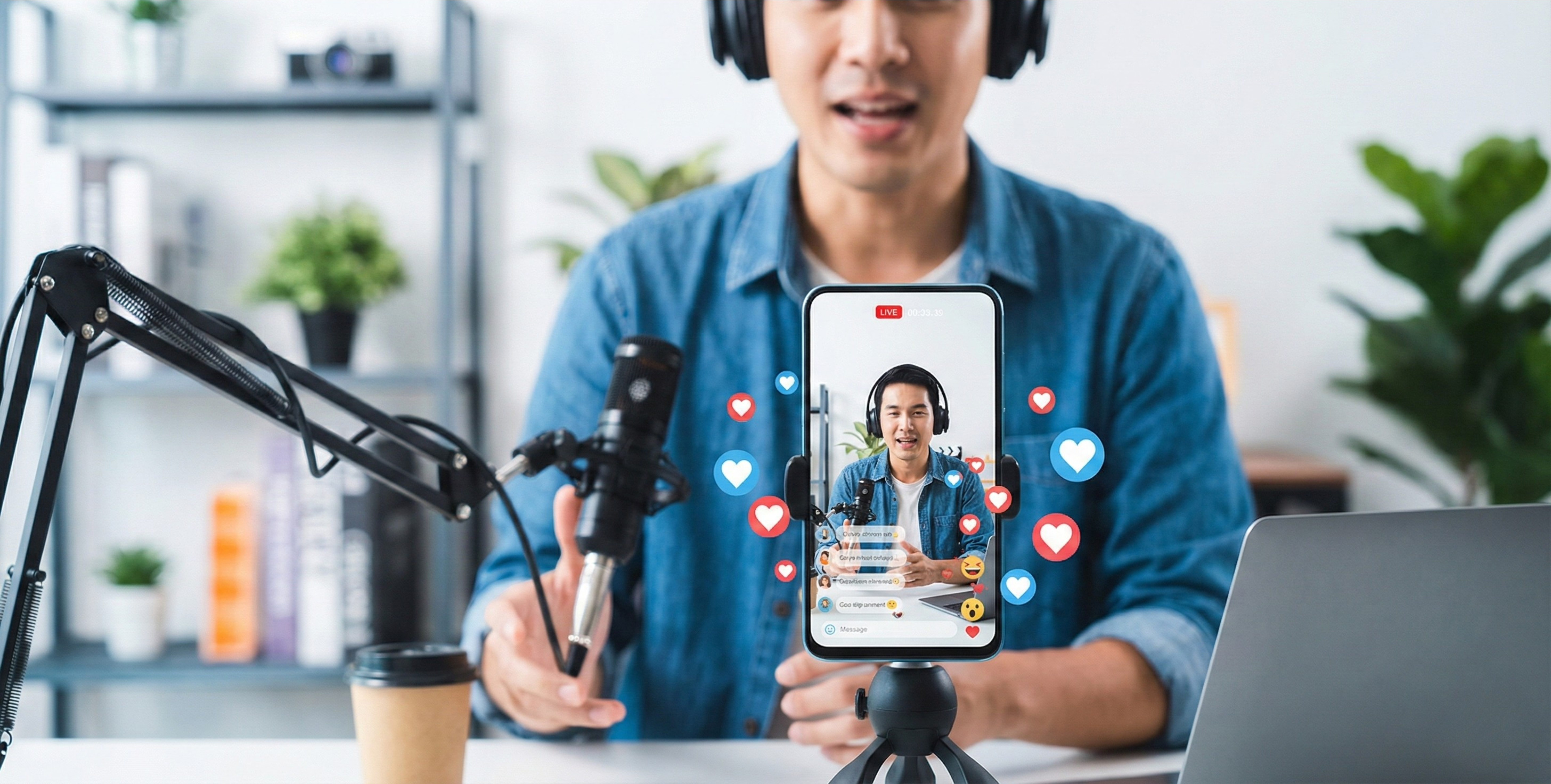
Traditional ad testing often compares a small set of finished ads. AI DCO compares creative variables inside a repeatable system. That lets teams learn whether performance changed because of the hook, message, visual, format, product angle, audience, or offer.
Planning: traditional testing starts after production; DCO starts during concept, asset design, and campaign architecture.
Creative output: traditional testing may compare two ads; DCO can compare modular hooks, visuals, offers, captions, scenes, and audience-specific scripts.
Measurement: traditional reports often stop at CTR; DCO connects attention, conversion quality, asset reuse, and creative learning.
Governance: traditional variation can drift; DCO uses approved claims, brand-safe templates, privacy rules, and human review.
Industry-Specific Use Cases
The right DCO strategy depends on what the customer needs to understand. A consumer brand may need rapid social variants. A B2B company may need proof-led explainers. A luxury brand may need careful control over tone and visual quality. A technology brand may need product demos that adapt by role or use case.
Consumer products: product-benefit variants, retailer-specific offers, seasonal edits, and short social videos.
Fashion and beauty: creator-style edits, shade or style guidance, localized trend references, and avatar-led product education.
Technology and SaaS: role-based feature demos, onboarding content, comparison explainers, and event follow-up ads.
Entertainment and events: teaser variants, venue-specific creative, countdown campaigns, and digital hosts for fan engagement.
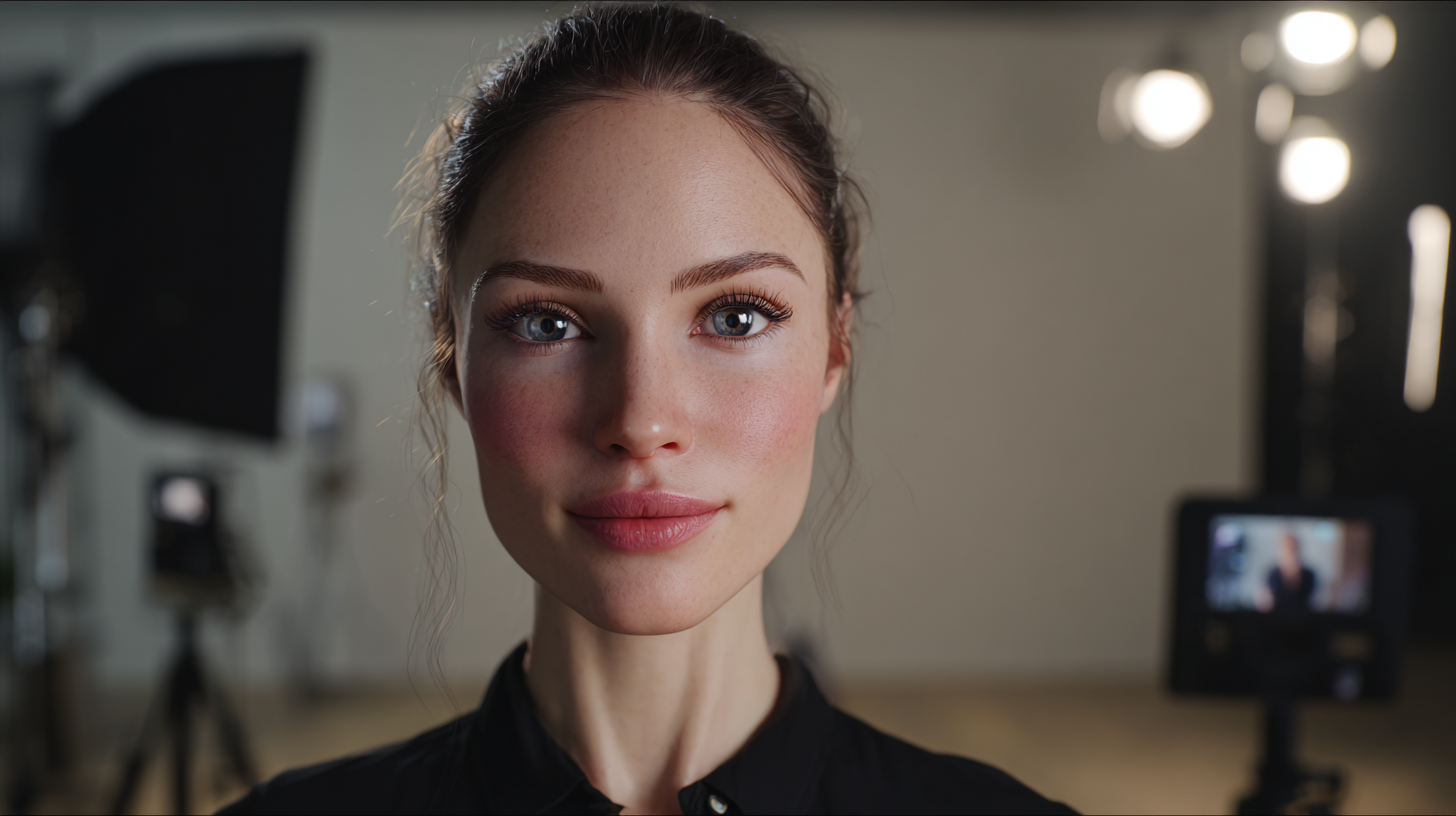
When digital presenters are part of the campaign, DCO can connect with AI avatars for social media ads so the same character can explain different benefits without changing the entire brand world.
Data and Asset Checklist
AI DCO depends on clean inputs. If the team does not define the audience, claims, assets, and measurement plan early, optimization becomes noisy. Prepare these foundations before scaling campaign variants.
Brand rules: tone of voice, visual identity, approved claims, legal restrictions, accessibility standards, and prohibited language.
Audience inputs: segments, intent levels, objections, markets, platforms, buyer stages, and product priorities.
Creative assets: source footage, 3D models, product files, avatar rules, motion templates, captions, voice direction, and landing-page copy.
Performance data: baseline results, conversion events, audience quality signals, creative hypotheses, and reporting owners.
Governance: approval owners, disclosure rules, privacy boundaries, rights documentation, and escalation paths for sensitive claims.
Step-by-Step Implementation Workflow
A strong AI DCO program starts with one clear campaign use case, then expands into a reusable system. Teams should avoid trying to personalize every touchpoint at once. Begin where variation can improve a real decision: awareness, consideration, conversion, or retention.
Define the campaign architecture: audience segments, channels, message hierarchy, assets, and success metrics.
Choose the creative variables: hook, scene, offer, product angle, avatar script, caption, voiceover, or call to action.
Build production-ready templates: editing structures, motion graphics, 3D scenes, brand-safe copy blocks, and approval rules.
Launch controlled variants: test a manageable set of versions and document what each version is supposed to prove.
Review, learn, and refine: compare performance, creative quality, brand fit, and customer feedback before scaling.

Mistakes to Avoid
Dynamic creative can fail when teams confuse volume with strategy. More versions do not automatically produce better performance. Better inputs, clearer hypotheses, and stronger review loops matter more than sheer output.
Launching variants without knowing which creative variable is being tested.
Letting personalization change approved claims, regulated language, or brand tone without review.
Using the same personalization logic for every platform, even though social, search, ecommerce, and video behave differently.
Optimizing only for clicks while ignoring lead quality, brand trust, conversion intent, and long-term creative learning.
Treating AI outputs as final creative instead of reviewing them for context, culture, accessibility, rights, and accuracy.
KPIs to Track
AI DCO needs a broader scorecard than one winning ad. Track creative performance, business outcomes, production speed, and governance quality together so the team can see what is actually improving.
Attention: thumb-stop rate, hook retention, completion rate, watch time, replay rate, and sound-on behavior.
Engagement: click-through rate, save rate, share rate, comment quality, landing-page engagement, and return visits.
Conversion: demo requests, lead quality, add-to-cart behavior, booked calls, purchase rate, and assisted revenue.
Production efficiency: time to create variants, approval speed, asset reuse, cost per usable version, and markets served.
Governance: disclosure compliance, claim-review results, privacy exceptions, moderation issues, and brand-safety checks.
Responsible AI, Privacy, and Creative Governance
AI-powered personalization can touch customer data, synthetic voices, AI avatars, campaign claims, audience segments, and automated decisions. That makes responsible AI a core part of the creative workflow, not a legal note at the end.
Teams should define which data can inform creative versions, how consent is handled, what disclosures are needed, and who approves sensitive claims. If a campaign uses digital humans, the same trust principles from virtual influencers matter here: make the role clear, avoid misleading audiences, and keep human creative review in the loop.
Future Trends
The next phase of DCO will be less about isolated ad variants and more about connected creative ecosystems. Brands will build libraries of approved claims, 3D product assets, avatar scripts, motion templates, social hooks, localized copy blocks, and measurement tags that can support many campaigns over time.
Virtual production will make this even more flexible. A campaign world can be reused across hero films, short videos, product demos, digital presenters, and localized assets. The strongest brands will use AI to learn faster while keeping the creative idea recognizable, responsible, and emotionally clear.
FAQ
What is AI dynamic creative optimization?
AI dynamic creative optimization is the use of AI-assisted workflows, structured creative assets, and performance signals to adapt ad versions for different audiences, platforms, and campaign goals.
How is DCO different from A/B testing?
A/B testing usually compares two or a few finished ads. DCO tests modular creative variables such as hooks, visuals, offers, captions, scenes, and calls to action inside a reusable campaign system.
What campaign assets work best for AI DCO?
Short-form videos, product demos, motion graphics, digital avatar scripts, localized captions, social cutdowns, and retargeting ads are often strong starting points.
Does AI DCO replace creative direction?
No. It needs creative direction more than ever. Human teams define the brand idea, audience insight, visual standard, claims, review process, and ethical boundaries.
What data does a brand need before using DCO?
Useful inputs include audience segments, platform goals, product priorities, approved claims, conversion events, past campaign performance, creative assets, and privacy rules.
Can DCO work with AI avatars?
Yes. AI avatars can present different product benefits, market messages, onboarding explanations, or social hooks when the character role, disclosure, and review rules are clear.
How should brands measure DCO performance?
Measure attention, engagement, conversion quality, asset reuse, production speed, cost per usable version, brand sentiment, and governance outcomes such as claims and disclosure compliance.
Why work with a specialist studio for AI DCO?
A specialist studio connects strategy, production craft, VFX, 3D, motion graphics, avatars, localization, measurement, and responsible AI review so the campaign system is ready to scale.
Conclusion
AI dynamic creative optimization helps brands move beyond isolated ad tests and build a smarter creative system. When the workflow is planned well, teams can adapt content for audiences, formats, markets, and buying stages while still protecting the core brand story.
Need this service for your brand? Contact Mimic Advertising to plan AI-powered creative optimization, campaign production, VFX, 3D, avatar-led content, and performance-ready advertising assets with a responsible production process.
AI dynamic creative optimization is becoming a practical way for advertising teams to turn one campaign idea into many smarter, more relevant assets. Instead of guessing which message, product angle, visual, or format will work best, brands can build a creative system that tests, learns, and adapts while keeping the core story consistent.
For Mimic Advertising, this topic fits naturally because the studio already connects AI creative testing, VFX, 3D, digital avatars, motion graphics, social video, and campaign versioning. Dynamic creative optimization brings those capabilities into a performance workflow: create strong assets, personalize with purpose, measure the right signals, and improve the next round of creative without losing brand control.
This guide explains how AI dynamic creative optimization works, what inputs a brand needs, where human creative direction still matters, and how to measure whether personalized ads are improving attention, conversion, and trust.
Table of Contents
What AI Dynamic Creative Optimization Means
AI dynamic creative optimization, often shortened to AI DCO, is the practice of adapting ad creative based on audience context, campaign goal, platform behavior, and performance signals. It can change a headline, video hook, product shot, scene order, avatar script, offer, caption, format, or call to action while keeping the brand idea intact.
The strongest version is not random automation. It is a planned creative system. The team defines which elements can change, which claims must remain fixed, which audiences need different explanations, and which signals will decide whether a version is working. That makes DCO different from simply producing many edits. It connects production, personalization, and measurement in one loop.
Why Campaign Teams Need Adaptive Creative
Modern campaigns rarely live in one channel. A single idea may need a cinematic hero video, paid social cutdowns, ecommerce visuals, localized product demos, event content, retargeting ads, and customer education assets. When every version is created as a separate production task, speed and consistency suffer.
Adaptive creative helps teams plan variation from the start. A product scene can be built so the angle, background, or message can shift. A digital presenter can explain different benefits for different segments. A motion-graphics template can support multiple offers. This connects directly to Mimic Advertising's AI advertising production workflow, where assets are designed for reuse rather than one-off output.
Faster learning: compare hooks, visuals, proof points, and calls to action without rebuilding the whole campaign.
Better relevance: adapt the message to audience intent, platform behavior, product stage, or market context.
Stronger control: keep brand rules, claims, design systems, and review checkpoints inside the variation process.
Benefits Across the Customer Journey
Dynamic creative optimization works best when each variation has a job in the customer journey. The goal is not to personalize everything. The goal is to remove friction, improve clarity, and show the right proof at the right moment.
Discovery: test visual hooks, short-form pacing, creator-style openings, avatar introductions, and platform-native captions.
Consideration: adapt product demos, benefits, objections, testimonials, and explainer sequences for each audience segment.
Conversion: refine offers, urgency, landing-page context, call-to-action language, and retargeting messages.
Retention: use recurring presenters, tutorials, localized education, and customer-success content to support existing buyers.
Dynamic Creative Optimization vs Traditional Ad Testing
Traditional ad testing often compares a small set of finished ads. AI DCO compares creative variables inside a repeatable system. That lets teams learn whether performance changed because of the hook, message, visual, format, product angle, audience, or offer.
Planning: traditional testing starts after production; DCO starts during concept, asset design, and campaign architecture.
Creative output: traditional testing may compare two ads; DCO can compare modular hooks, visuals, offers, captions, scenes, and audience-specific scripts.
Measurement: traditional reports often stop at CTR; DCO connects attention, conversion quality, asset reuse, and creative learning.
Governance: traditional variation can drift; DCO uses approved claims, brand-safe templates, privacy rules, and human review.
Industry-Specific Use Cases
The right DCO strategy depends on what the customer needs to understand. A consumer brand may need rapid social variants. A B2B company may need proof-led explainers. A luxury brand may need careful control over tone and visual quality. A technology brand may need product demos that adapt by role or use case.
Consumer products: product-benefit variants, retailer-specific offers, seasonal edits, and short social videos.
Fashion and beauty: creator-style edits, shade or style guidance, localized trend references, and avatar-led product education.
Technology and SaaS: role-based feature demos, onboarding content, comparison explainers, and event follow-up ads.
Entertainment and events: teaser variants, venue-specific creative, countdown campaigns, and digital hosts for fan engagement.
When digital presenters are part of the campaign, DCO can connect with AI avatars for social media ads so the same character can explain different benefits without changing the entire brand world.
Data and Asset Checklist
AI DCO depends on clean inputs. If the team does not define the audience, claims, assets, and measurement plan early, optimization becomes noisy. Prepare these foundations before scaling campaign variants.
Brand rules: tone of voice, visual identity, approved claims, legal restrictions, accessibility standards, and prohibited language.
Audience inputs: segments, intent levels, objections, markets, platforms, buyer stages, and product priorities.
Creative assets: source footage, 3D models, product files, avatar rules, motion templates, captions, voice direction, and landing-page copy.
Performance data: baseline results, conversion events, audience quality signals, creative hypotheses, and reporting owners.
Governance: approval owners, disclosure rules, privacy boundaries, rights documentation, and escalation paths for sensitive claims.
Step-by-Step Implementation Workflow
A strong AI DCO program starts with one clear campaign use case, then expands into a reusable system. Teams should avoid trying to personalize every touchpoint at once. Begin where variation can improve a real decision: awareness, consideration, conversion, or retention.
Define the campaign architecture: audience segments, channels, message hierarchy, assets, and success metrics.
Choose the creative variables: hook, scene, offer, product angle, avatar script, caption, voiceover, or call to action.
Build production-ready templates: editing structures, motion graphics, 3D scenes, brand-safe copy blocks, and approval rules.
Launch controlled variants: test a manageable set of versions and document what each version is supposed to prove.
Review, learn, and refine: compare performance, creative quality, brand fit, and customer feedback before scaling.
Mistakes to Avoid
Dynamic creative can fail when teams confuse volume with strategy. More versions do not automatically produce better performance. Better inputs, clearer hypotheses, and stronger review loops matter more than sheer output.
Launching variants without knowing which creative variable is being tested.
Letting personalization change approved claims, regulated language, or brand tone without review.
Using the same personalization logic for every platform, even though social, search, ecommerce, and video behave differently.
Optimizing only for clicks while ignoring lead quality, brand trust, conversion intent, and long-term creative learning.
Treating AI outputs as final creative instead of reviewing them for context, culture, accessibility, rights, and accuracy.
KPIs to Track
AI DCO needs a broader scorecard than one winning ad. Track creative performance, business outcomes, production speed, and governance quality together so the team can see what is actually improving.
Attention: thumb-stop rate, hook retention, completion rate, watch time, replay rate, and sound-on behavior.
Engagement: click-through rate, save rate, share rate, comment quality, landing-page engagement, and return visits.
Conversion: demo requests, lead quality, add-to-cart behavior, booked calls, purchase rate, and assisted revenue.
Production efficiency: time to create variants, approval speed, asset reuse, cost per usable version, and markets served.
Governance: disclosure compliance, claim-review results, privacy exceptions, moderation issues, and brand-safety checks.
Responsible AI, Privacy, and Creative Governance
AI-powered personalization can touch customer data, synthetic voices, AI avatars, campaign claims, audience segments, and automated decisions. That makes responsible AI a core part of the creative workflow, not a legal note at the end.
Teams should define which data can inform creative versions, how consent is handled, what disclosures are needed, and who approves sensitive claims. If a campaign uses digital humans, the same trust principles from virtual influencers matter here: make the role clear, avoid misleading audiences, and keep human creative review in the loop.
Future Trends
The next phase of DCO will be less about isolated ad variants and more about connected creative ecosystems. Brands will build libraries of approved claims, 3D product assets, avatar scripts, motion templates, social hooks, localized copy blocks, and measurement tags that can support many campaigns over time.
Virtual production will make this even more flexible. A campaign world can be reused across hero films, short videos, product demos, digital presenters, and localized assets. The strongest brands will use AI to learn faster while keeping the creative idea recognizable, responsible, and emotionally clear.
FAQ
What is AI dynamic creative optimization?
AI dynamic creative optimization is the use of AI-assisted workflows, structured creative assets, and performance signals to adapt ad versions for different audiences, platforms, and campaign goals.
How is DCO different from A/B testing?
A/B testing usually compares two or a few finished ads. DCO tests modular creative variables such as hooks, visuals, offers, captions, scenes, and calls to action inside a reusable campaign system.
What campaign assets work best for AI DCO?
Short-form videos, product demos, motion graphics, digital avatar scripts, localized captions, social cutdowns, and retargeting ads are often strong starting points.
Does AI DCO replace creative direction?
No. It needs creative direction more than ever. Human teams define the brand idea, audience insight, visual standard, claims, review process, and ethical boundaries.
What data does a brand need before using DCO?
Useful inputs include audience segments, platform goals, product priorities, approved claims, conversion events, past campaign performance, creative assets, and privacy rules.
Can DCO work with AI avatars?
Yes. AI avatars can present different product benefits, market messages, onboarding explanations, or social hooks when the character role, disclosure, and review rules are clear.
How should brands measure DCO performance?
Measure attention, engagement, conversion quality, asset reuse, production speed, cost per usable version, brand sentiment, and governance outcomes such as claims and disclosure compliance.
Why work with a specialist studio for AI DCO?
A specialist studio connects strategy, production craft, VFX, 3D, motion graphics, avatars, localization, measurement, and responsible AI review so the campaign system is ready to scale.
Conclusion
AI dynamic creative optimization helps brands move beyond isolated ad tests and build a smarter creative system. When the workflow is planned well, teams can adapt content for audiences, formats, markets, and buying stages while still protecting the core brand story.
Need this service for your brand? Contact Mimic Advertising to plan AI-powered creative optimization, campaign production, VFX, 3D, avatar-led content, and performance-ready advertising assets with a responsible production process.