

What is pre-roll video advertising, and how can a brand earn attention before the viewer reaches the content they actually selected?
What is pre-roll video advertising is a practical production question, not a software definition. The useful answer connects creative intent, technical method, budget, review, and delivery. This guide explains that process for brand managers, agencies, performance marketers, founders, and production teams.
The goal is a short video ad whose message, branding, offer, and call to action remain clear even when the viewer can skip or scroll away. Explore Mimic Advertising for related services and project examples, then use the sections below to plan a realistic brief and approval process.
Table of Contents
What Is Pre-Roll Video Advertising?
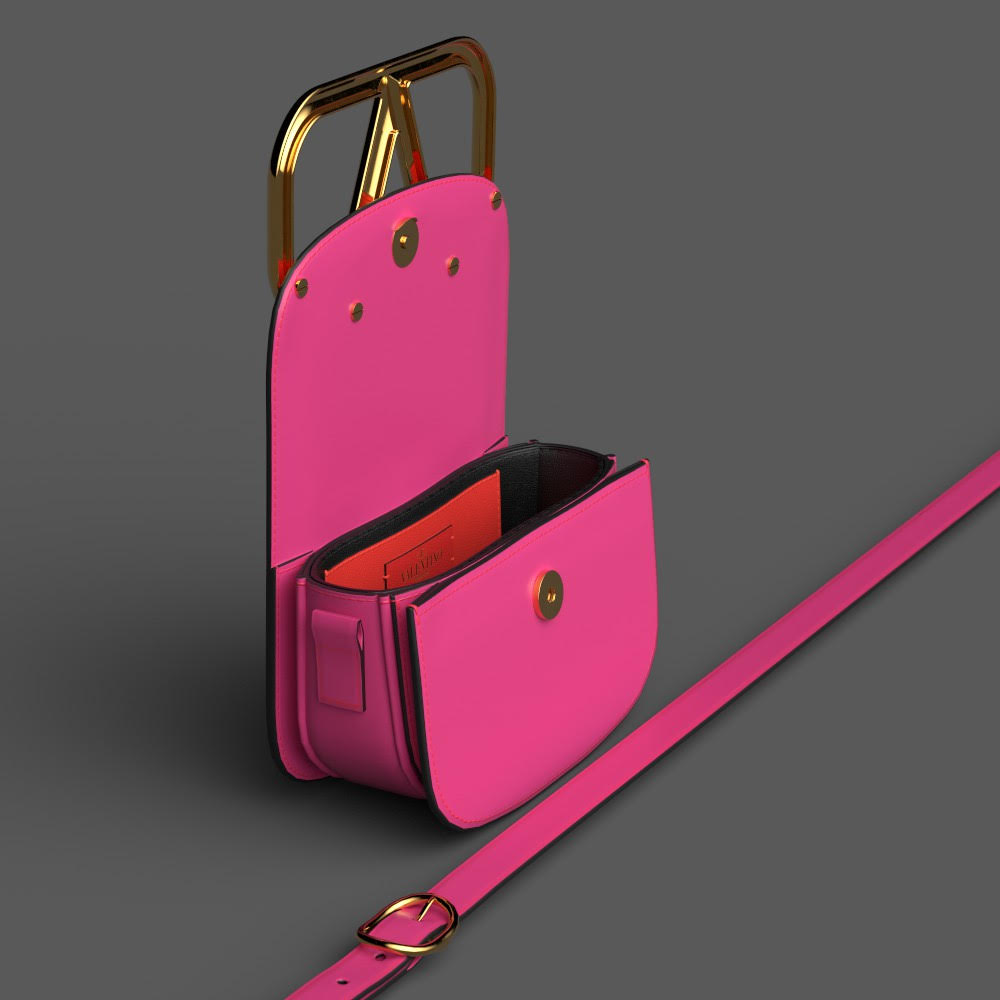
Pre-roll is a video placement that appears before selected video content. Depending on the platform and campaign setup, it may be skippable, non-skippable, short bumper inventory, or part of a broader in-stream buy.
The practical question is not whether the team can produce a sophisticated result, but whether the chosen method answers the brief. For brand managers, agencies, performance marketers, founders, and production teams, the work should be divided into inputs, decisions, production tasks, review points, and measurable delivery criteria. That structure makes cost and responsibility visible before late changes become expensive.
Quality depends on relationships between details. Timing, scale, continuity, context, accessibility, image or data integrity, and delivery requirements must work together. A polished surface cannot rescue a weak source, an unclear approval chain, or a test that does not represent real use. Review the work in context and record specific evidence instead of relying on general reactions. Read a related Mimic Advertising guide for a connected example.
Turn this section into a working checklist. Confirm the intended audience, source material, assumptions, owner of each approval, output format, and one test that would expose a bad result. Review an early sample before scaling. This keeps revisions focused on a short video ad whose message, branding, offer, and call to action remain clear even when the viewer can skip or scroll away.
Which Pre-Roll Ad Formats Should Brands Know?

Formats differ by length, skip rules, sound behavior, buying method, device, and placement. A six-second bumper has a different job from a skippable 15- or 30-second ad, so one edit should not be forced into every slot.
The practical question is not whether the team can produce a sophisticated result, but whether the chosen method answers the brief. For brand managers, agencies, performance marketers, founders, and production teams, the work should be divided into inputs, decisions, production tasks, review points, and measurable delivery criteria. That structure makes cost and responsibility visible before late changes become expensive.
Quality depends on relationships between details. Timing, scale, continuity, context, accessibility, image or data integrity, and delivery requirements must work together. A polished surface cannot rescue a weak source, an unclear approval chain, or a test that does not represent real use. Review the work in context and record specific evidence instead of relying on general reactions. Read a related Mimic Advertising guide for a connected example.
Turn this section into a working checklist. Confirm the intended audience, source material, assumptions, owner of each approval, output format, and one test that would expose a bad result. Review an early sample before scaling. This keeps revisions focused on a short video ad whose message, branding, offer, and call to action remain clear even when the viewer can skip or scroll away.
What Should Happen in the First Five Seconds?
The opening needs an immediately readable situation, product, problem, or visual surprise. Brand cues should arrive early without turning the frame into a logo card. The viewer should understand why the next second is worth watching.
The practical question is not whether the team can produce a sophisticated result, but whether the chosen method answers the brief. For brand managers, agencies, performance marketers, founders, and production teams, the work should be divided into inputs, decisions, production tasks, review points, and measurable delivery criteria. That structure makes cost and responsibility visible before late changes become expensive.
Quality depends on relationships between details. Timing, scale, continuity, context, accessibility, image or data integrity, and delivery requirements must work together. A polished surface cannot rescue a weak source, an unclear approval chain, or a test that does not represent real use. Review the work in context and record specific evidence instead of relying on general reactions. Read a related Mimic Advertising guide for a connected example.
Turn this section into a working checklist. Confirm the intended audience, source material, assumptions, owner of each approval, output format, and one test that would expose a bad result. Review an early sample before scaling. This keeps revisions focused on a short video ad whose message, branding, offer, and call to action remain clear even when the viewer can skip or scroll away.
How Do You Produce an Effective Pre-Roll Ad?

Production starts with placement, audience, claim, proof, offer, call to action, and required durations. Storyboards must show how the idea survives muted playback, small screens, early skipping, platform overlays, and vertical or square adaptations.
The practical question is not whether the team can produce a sophisticated result, but whether the chosen method answers the brief. For brand managers, agencies, performance marketers, founders, and production teams, the work should be divided into inputs, decisions, production tasks, review points, and measurable delivery criteria. That structure makes cost and responsibility visible before late changes become expensive.
Quality depends on relationships between details. Timing, scale, continuity, context, accessibility, image or data integrity, and delivery requirements must work together. A polished surface cannot rescue a weak source, an unclear approval chain, or a test that does not represent real use. Review the work in context and record specific evidence instead of relying on general reactions. Read a related Mimic Advertising guide for a connected example.
Turn this section into a working checklist. Confirm the intended audience, source material, assumptions, owner of each approval, output format, and one test that would expose a bad result. Review an early sample before scaling. This keeps revisions focused on a short video ad whose message, branding, offer, and call to action remain clear even when the viewer can skip or scroll away.
How Should Pre-Roll Creative Be Tested?

Useful tests change one major variable at a time: opening image, first line, product timing, offer, spokesperson, proof, duration, or call to action. Keep audience and buying conditions comparable before assigning performance to the creative.
The practical question is not whether the team can produce a sophisticated result, but whether the chosen method answers the brief. For brand managers, agencies, performance marketers, founders, and production teams, the work should be divided into inputs, decisions, production tasks, review points, and measurable delivery criteria. That structure makes cost and responsibility visible before late changes become expensive.
Quality depends on relationships between details. Timing, scale, continuity, context, accessibility, image or data integrity, and delivery requirements must work together. A polished surface cannot rescue a weak source, an unclear approval chain, or a test that does not represent real use. Review the work in context and record specific evidence instead of relying on general reactions. Read a related Mimic Advertising guide for a connected example.
Turn this section into a working checklist. Confirm the intended audience, source material, assumptions, owner of each approval, output format, and one test that would expose a bad result. Review an early sample before scaling. This keeps revisions focused on a short video ad whose message, branding, offer, and call to action remain clear even when the viewer can skip or scroll away.
How Is Pre-Roll Advertising Measured?
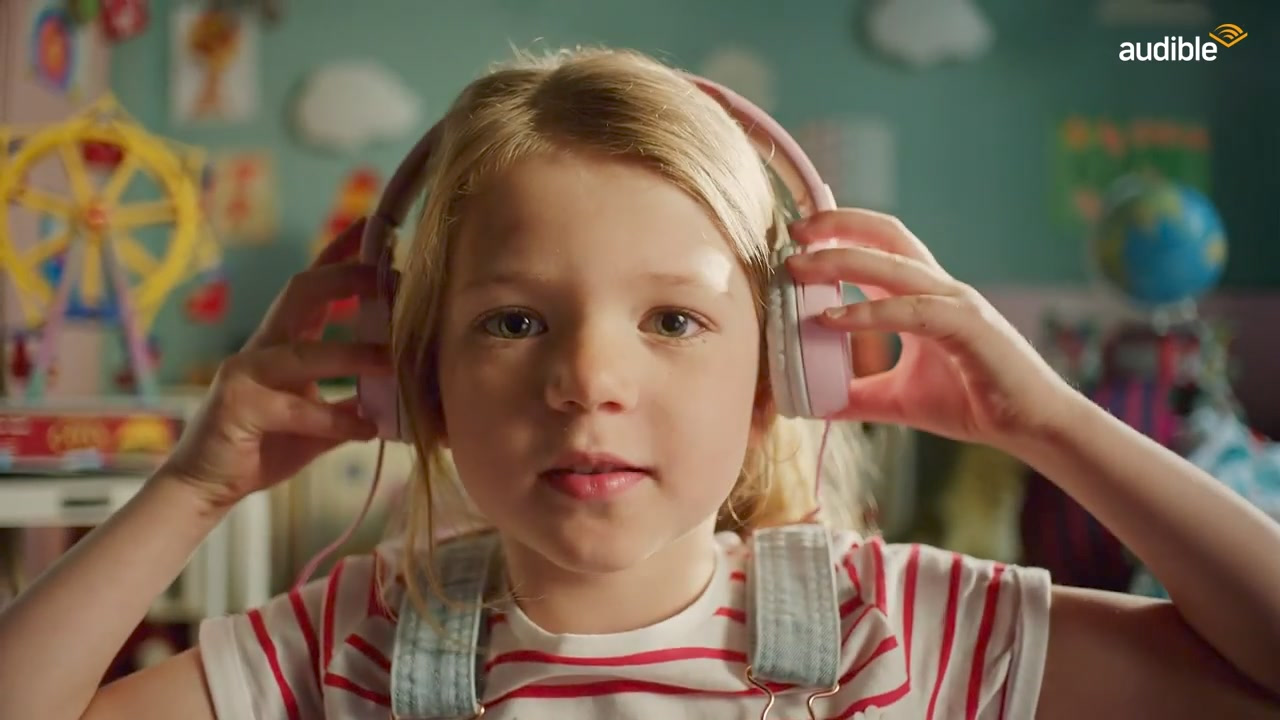
Metrics should match the campaign job. View rate and completion help diagnose attention, while click-through, qualified visits, conversions, lift studies, search behavior, and downstream sales show whether attention created business value.
The practical question is not whether the team can produce a sophisticated result, but whether the chosen method answers the brief. For brand managers, agencies, performance marketers, founders, and production teams, the work should be divided into inputs, decisions, production tasks, review points, and measurable delivery criteria. That structure makes cost and responsibility visible before late changes become expensive.
Quality depends on relationships between details. Timing, scale, continuity, context, accessibility, image or data integrity, and delivery requirements must work together. A polished surface cannot rescue a weak source, an unclear approval chain, or a test that does not represent real use. Review the work in context and record specific evidence instead of relying on general reactions. Read a related Mimic Advertising guide for a connected example.
Turn this section into a working checklist. Confirm the intended audience, source material, assumptions, owner of each approval, output format, and one test that would expose a bad result. Review an early sample before scaling. This keeps revisions focused on a short video ad whose message, branding, offer, and call to action remain clear even when the viewer can skip or scroll away.
Frequently Asked Questions
Are pre-roll ads always skippable?
No. Platforms sell skippable, non-skippable, and short bumper formats. Availability and limits depend on the platform and market.
How long should a pre-roll ad be?
Use the shortest duration that communicates the message and meets the placement specification. Common plans include six-, 15-, and 30-second versions.
When should the brand appear?
Introduce recognizable brand or product cues early, especially when viewers can skip. The branding should be part of the idea rather than a separate opening card.
Do pre-roll ads work without sound?
They should remain understandable without sound. Use clear visual storytelling and captions, then use music, voice, and sound design to improve the experience when audio is available.
What is a good pre-roll view rate?
Benchmarks vary by platform, audience, bid strategy, format, and campaign goal. Compare like-for-like campaigns and diagnose where viewers leave.
Should every ad include a call to action?
Most performance and consideration ads should make the next step clear. Awareness work may use a softer action, but it still needs a defined communication goal.
Can a TV commercial be used as pre-roll?
It can be adapted, but a television edit may introduce the brand too late, assume a larger screen, and ignore skip behavior or platform overlays.
How many creative versions are needed?
Create enough versions to test meaningful differences and serve key placements. Avoid producing dozens of near-identical edits without a testing plan.
What causes viewers to skip?
Slow openings, unclear relevance, generic claims, delayed branding, poor mobile readability, repeated exposure, and a mismatch between the ad and audience can all contribute.
How should frequency be managed?
Use platform controls and performance data to limit waste and fatigue. Refresh creative when repeated exposure reduces attention or response.
Conclusion
What is pre-roll video advertising becomes useful when the team links every creative and technical choice to a clear purpose. Define the audience, inputs, limits, review evidence, and final deliverables before production expands. That approach makes quality easier to approve and problems easier to fix.
If you are planning this kind of project, contact Mimic Advertising to discuss the brief, production plan, review stages, and required versions.
What is pre-roll video advertising, and how can a brand earn attention before the viewer reaches the content they actually selected?
What is pre-roll video advertising is a practical production question, not a software definition. The useful answer connects creative intent, technical method, budget, review, and delivery. This guide explains that process for brand managers, agencies, performance marketers, founders, and production teams.
The goal is a short video ad whose message, branding, offer, and call to action remain clear even when the viewer can skip or scroll away. Explore Mimic Advertising for related services and project examples, then use the sections below to plan a realistic brief and approval process.
Table of Contents
What Is Pre-Roll Video Advertising?
Pre-roll is a video placement that appears before selected video content. Depending on the platform and campaign setup, it may be skippable, non-skippable, short bumper inventory, or part of a broader in-stream buy.
The practical question is not whether the team can produce a sophisticated result, but whether the chosen method answers the brief. For brand managers, agencies, performance marketers, founders, and production teams, the work should be divided into inputs, decisions, production tasks, review points, and measurable delivery criteria. That structure makes cost and responsibility visible before late changes become expensive.
Quality depends on relationships between details. Timing, scale, continuity, context, accessibility, image or data integrity, and delivery requirements must work together. A polished surface cannot rescue a weak source, an unclear approval chain, or a test that does not represent real use. Review the work in context and record specific evidence instead of relying on general reactions. Read a related Mimic Advertising guide for a connected example.
Turn this section into a working checklist. Confirm the intended audience, source material, assumptions, owner of each approval, output format, and one test that would expose a bad result. Review an early sample before scaling. This keeps revisions focused on a short video ad whose message, branding, offer, and call to action remain clear even when the viewer can skip or scroll away.
Which Pre-Roll Ad Formats Should Brands Know?
Formats differ by length, skip rules, sound behavior, buying method, device, and placement. A six-second bumper has a different job from a skippable 15- or 30-second ad, so one edit should not be forced into every slot.
The practical question is not whether the team can produce a sophisticated result, but whether the chosen method answers the brief. For brand managers, agencies, performance marketers, founders, and production teams, the work should be divided into inputs, decisions, production tasks, review points, and measurable delivery criteria. That structure makes cost and responsibility visible before late changes become expensive.
Quality depends on relationships between details. Timing, scale, continuity, context, accessibility, image or data integrity, and delivery requirements must work together. A polished surface cannot rescue a weak source, an unclear approval chain, or a test that does not represent real use. Review the work in context and record specific evidence instead of relying on general reactions. Read a related Mimic Advertising guide for a connected example.
Turn this section into a working checklist. Confirm the intended audience, source material, assumptions, owner of each approval, output format, and one test that would expose a bad result. Review an early sample before scaling. This keeps revisions focused on a short video ad whose message, branding, offer, and call to action remain clear even when the viewer can skip or scroll away.
What Should Happen in the First Five Seconds?
The opening needs an immediately readable situation, product, problem, or visual surprise. Brand cues should arrive early without turning the frame into a logo card. The viewer should understand why the next second is worth watching.
The practical question is not whether the team can produce a sophisticated result, but whether the chosen method answers the brief. For brand managers, agencies, performance marketers, founders, and production teams, the work should be divided into inputs, decisions, production tasks, review points, and measurable delivery criteria. That structure makes cost and responsibility visible before late changes become expensive.
Quality depends on relationships between details. Timing, scale, continuity, context, accessibility, image or data integrity, and delivery requirements must work together. A polished surface cannot rescue a weak source, an unclear approval chain, or a test that does not represent real use. Review the work in context and record specific evidence instead of relying on general reactions. Read a related Mimic Advertising guide for a connected example.
Turn this section into a working checklist. Confirm the intended audience, source material, assumptions, owner of each approval, output format, and one test that would expose a bad result. Review an early sample before scaling. This keeps revisions focused on a short video ad whose message, branding, offer, and call to action remain clear even when the viewer can skip or scroll away.
How Do You Produce an Effective Pre-Roll Ad?
Production starts with placement, audience, claim, proof, offer, call to action, and required durations. Storyboards must show how the idea survives muted playback, small screens, early skipping, platform overlays, and vertical or square adaptations.
The practical question is not whether the team can produce a sophisticated result, but whether the chosen method answers the brief. For brand managers, agencies, performance marketers, founders, and production teams, the work should be divided into inputs, decisions, production tasks, review points, and measurable delivery criteria. That structure makes cost and responsibility visible before late changes become expensive.
Quality depends on relationships between details. Timing, scale, continuity, context, accessibility, image or data integrity, and delivery requirements must work together. A polished surface cannot rescue a weak source, an unclear approval chain, or a test that does not represent real use. Review the work in context and record specific evidence instead of relying on general reactions. Read a related Mimic Advertising guide for a connected example.
Turn this section into a working checklist. Confirm the intended audience, source material, assumptions, owner of each approval, output format, and one test that would expose a bad result. Review an early sample before scaling. This keeps revisions focused on a short video ad whose message, branding, offer, and call to action remain clear even when the viewer can skip or scroll away.
How Should Pre-Roll Creative Be Tested?
Useful tests change one major variable at a time: opening image, first line, product timing, offer, spokesperson, proof, duration, or call to action. Keep audience and buying conditions comparable before assigning performance to the creative.
The practical question is not whether the team can produce a sophisticated result, but whether the chosen method answers the brief. For brand managers, agencies, performance marketers, founders, and production teams, the work should be divided into inputs, decisions, production tasks, review points, and measurable delivery criteria. That structure makes cost and responsibility visible before late changes become expensive.
Quality depends on relationships between details. Timing, scale, continuity, context, accessibility, image or data integrity, and delivery requirements must work together. A polished surface cannot rescue a weak source, an unclear approval chain, or a test that does not represent real use. Review the work in context and record specific evidence instead of relying on general reactions. Read a related Mimic Advertising guide for a connected example.
Turn this section into a working checklist. Confirm the intended audience, source material, assumptions, owner of each approval, output format, and one test that would expose a bad result. Review an early sample before scaling. This keeps revisions focused on a short video ad whose message, branding, offer, and call to action remain clear even when the viewer can skip or scroll away.
How Is Pre-Roll Advertising Measured?
Metrics should match the campaign job. View rate and completion help diagnose attention, while click-through, qualified visits, conversions, lift studies, search behavior, and downstream sales show whether attention created business value.
The practical question is not whether the team can produce a sophisticated result, but whether the chosen method answers the brief. For brand managers, agencies, performance marketers, founders, and production teams, the work should be divided into inputs, decisions, production tasks, review points, and measurable delivery criteria. That structure makes cost and responsibility visible before late changes become expensive.
Quality depends on relationships between details. Timing, scale, continuity, context, accessibility, image or data integrity, and delivery requirements must work together. A polished surface cannot rescue a weak source, an unclear approval chain, or a test that does not represent real use. Review the work in context and record specific evidence instead of relying on general reactions. Read a related Mimic Advertising guide for a connected example.
Turn this section into a working checklist. Confirm the intended audience, source material, assumptions, owner of each approval, output format, and one test that would expose a bad result. Review an early sample before scaling. This keeps revisions focused on a short video ad whose message, branding, offer, and call to action remain clear even when the viewer can skip or scroll away.
Frequently Asked Questions
Are pre-roll ads always skippable?
No. Platforms sell skippable, non-skippable, and short bumper formats. Availability and limits depend on the platform and market.
How long should a pre-roll ad be?
Use the shortest duration that communicates the message and meets the placement specification. Common plans include six-, 15-, and 30-second versions.
When should the brand appear?
Introduce recognizable brand or product cues early, especially when viewers can skip. The branding should be part of the idea rather than a separate opening card.
Do pre-roll ads work without sound?
They should remain understandable without sound. Use clear visual storytelling and captions, then use music, voice, and sound design to improve the experience when audio is available.
What is a good pre-roll view rate?
Benchmarks vary by platform, audience, bid strategy, format, and campaign goal. Compare like-for-like campaigns and diagnose where viewers leave.
Should every ad include a call to action?
Most performance and consideration ads should make the next step clear. Awareness work may use a softer action, but it still needs a defined communication goal.
Can a TV commercial be used as pre-roll?
It can be adapted, but a television edit may introduce the brand too late, assume a larger screen, and ignore skip behavior or platform overlays.
How many creative versions are needed?
Create enough versions to test meaningful differences and serve key placements. Avoid producing dozens of near-identical edits without a testing plan.
What causes viewers to skip?
Slow openings, unclear relevance, generic claims, delayed branding, poor mobile readability, repeated exposure, and a mismatch between the ad and audience can all contribute.
How should frequency be managed?
Use platform controls and performance data to limit waste and fatigue. Refresh creative when repeated exposure reduces attention or response.
Conclusion
What is pre-roll video advertising becomes useful when the team links every creative and technical choice to a clear purpose. Define the audience, inputs, limits, review evidence, and final deliverables before production expands. That approach makes quality easier to approve and problems easier to fix.
If you are planning this kind of project, contact Mimic Advertising to discuss the brief, production plan, review stages, and required versions.