How much do AI ads cost—and what should a brand actually budget for professional results?
The short answer is that an AI ad can cost from a few thousand euros for a focused social asset to six figures for a premium, multi-market campaign. The useful answer depends on what must be invented, produced, approved, licensed, adapted, and measured—not on the AI tool alone.
This guide explains practical AI ad price ranges, the variables that move a quote, and how to build a budget that protects creative quality. It complements Mimic Advertising’s guide to what AI advertising is and its AI advertising campaign framework with a decision-focused cost model for brand and agency teams.
Table of Contents
How Much Do AI Ads Cost in 2026?

For planning purposes, brands can think in four broad production bands. These are directional ranges, not fixed rate cards, because two thirty-second ads can require completely different levels of creative invention, asset building, realism, rights clearance, and versioning.
Focused AI-assisted social asset: approximately €2,000–€8,000. This can suit a short paid-social video, simple product sequence, motion-led visual, or test concept when the brief and brand assets are already clear. It normally assumes limited custom development and a controlled number of revisions.
Professional AI video campaign asset: approximately €8,000–€40,000. This range can support strategy, concept development, polished editing, sound, custom visual work, brand review, multiple aspect ratios, and several delivery versions. It is a common planning band for a serious campaign proof of concept or hero social film.
Premium hybrid commercial: approximately €40,000–€150,000+. These projects may combine live action, custom VFX and 3D production, photoreal products, digital humans, virtual environments, advanced compositing, talent or voice rights, and a large delivery matrix.
Always-on content system: often structured as a setup fee plus a monthly production or optimization retainer. The initial investment builds reusable characters, product assets, templates, governance, and measurement. The ongoing budget funds new concepts, versions, localization, testing, and learning.
The cheapest output is not necessarily the lowest-cost campaign. An inexpensive clip that cannot pass brand review, match the product, hold attention, or adapt cleanly creates rework. Professional AI advertising budgets pay for a controlled creative-production system, not merely access to generation software.
What Determines AI Advertising Cost?
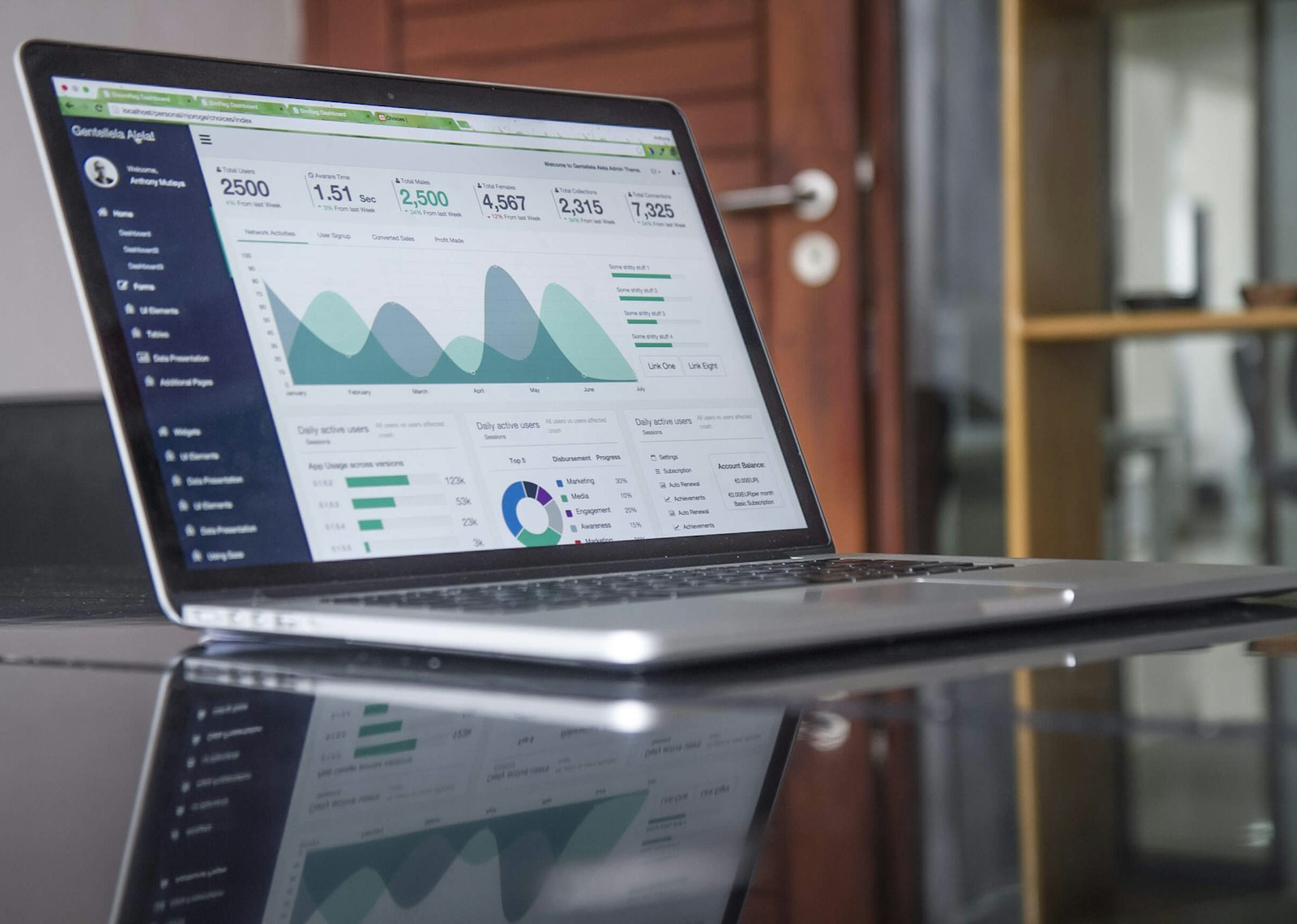
AI advertising cost is shaped first by the problem the campaign must solve. A single awareness video is simpler than a launch system that needs product education, localized offers, retargeting variants, digital ambassadors, and measurable conversion paths. Scope should begin with the business decision, audience, channel role, and required action.
Creative strategy and concept development. Research, audience definition, message design, scripts, storyboards, references, and testing hypotheses require senior creative time. AI can accelerate exploration, but selecting a defensible idea still depends on judgment. Mimic Advertising’s advertising production scope connect that strategic work to execution.
Custom assets and realism. Exact products, branded environments, recurring characters, wardrobe, materials, packaging, camera behavior, and physically believable lighting require more work than generic imagery. A reusable 3D product or character costs more initially but can reduce future campaign costs because the approved asset becomes part of the brand’s production infrastructure.
Human performance, voice, and rights. Digital humans and avatar-led ads need character design, performance direction, facial behavior, voice decisions, disclosure planning, and documented permissions. Explore Mimic Advertising’s digital avatar capabilities and its guide to brand-safe avatar-led advertising for the production and governance questions behind the quote.
Deliverable volume. A hero film, six cutdowns, three aspect ratios, five languages, multiple calls to action, and alternate openings are not one deliverable. A modular plan can make the matrix efficient, but every final asset still needs assembly, captions, audio, safe-zone checks, export, review, and quality assurance.
Schedule and review complexity. Compressed timelines add parallel work and reduce the ability to sequence approvals. Unclear decision rights also increase cost. A named approver, consolidated feedback, acceptance criteria, and a realistic revision allowance usually save more money than chasing a cheaper production rate.
AI Ad Costs by Format and Scope
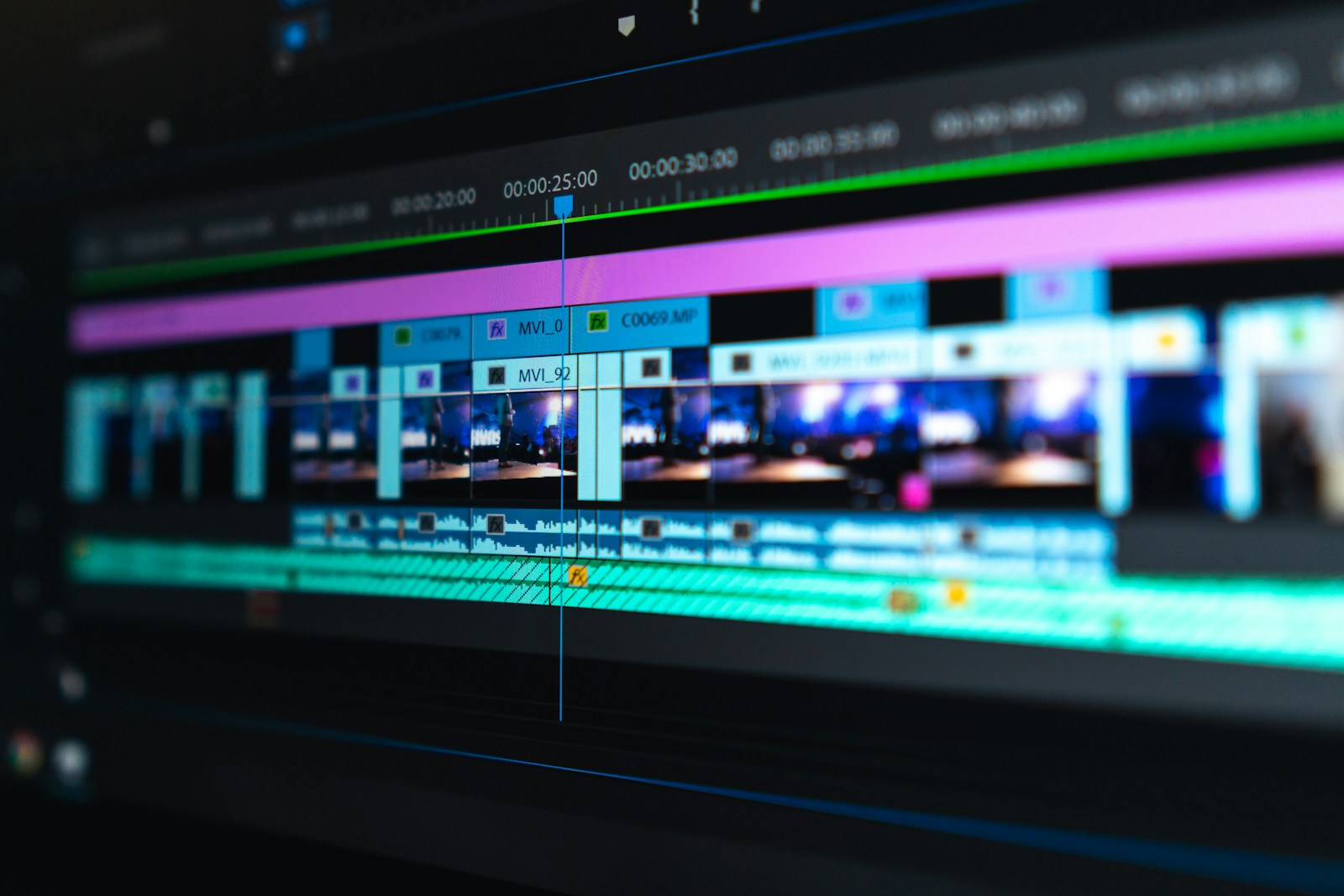
Format changes the cost because it changes the production problem. A six-second product loop depends on visual precision and a fast idea. A sixty-second explainer depends on message structure, comprehension, pacing, voice, motion design, and many supporting shots. A virtual spokesperson adds performance consistency, identity, and rights management.
Short-form paid social. Budget depends on the number of hooks, aspect ratios, captions, product variants, and refresh cycles. Efficient projects build one recognizable campaign idea and test meaningful variables rather than generating dozens of unrelated clips. The social media video production strategy guide explains how to plan for attention and platform behavior.
AI product demo videos. The cost rises with product accuracy, feature logic, interface capture, believable materials, and the need to show cause and effect. A modular product demonstration can serve landing pages, sales enablement, paid social, events, and localization. See the AI product demo video guide for a practical campaign workflow.
CGI and 3D product advertising. Custom modeling, look development, simulation, animation, rendering, compositing, and revisions form the budget. Existing CAD or 3D assets can help, but they may need cleanup before advertising use. For deeper planning, review the 3D animation cost guide and 3D product animation guide.
Digital avatars and virtual influencers. A one-off talking presenter can be relatively contained. A reusable brand ambassador is a larger system: identity, voice, movement, wardrobe, environments, content rules, localization, safety, approvals, and ongoing scripts. The value comes from consistency and reuse across many customer touchpoints.
Localized campaign versions. Localization may change voice, on-screen copy, pack shots, offers, legal lines, cultural context, timing, and even the scene. A modular master can lower marginal costs, but each market still needs professional review. Mimic Advertising’s AI ad localization guide explains how to design versioning before production begins.
AI Ads vs Traditional Production Budgets
AI does not make every traditional production step disappear. It changes where the budget is spent. A conventional commercial may concentrate cost in casting, locations, crew, physical sets, travel, equipment, shoot days, and reshoots. An AI-led or hybrid production may concentrate more cost in preproduction, custom asset development, iteration, technical direction, compositing, rights review, and quality control.
Savings are most credible when AI removes a known constraint. It can reduce the need to build a dangerous or impossible location, create variations without rebuilding a set, explore camera ideas before a shoot, adapt a scene to multiple formats, or update approved modular elements without reshooting everything. Those are production advantages tied to a brief—not automatic discounts.
Traditional live action remains valuable when real human performance, documentary credibility, physical product interaction, celebrity talent, tactile detail, or a genuine location is central to the idea. AI and CGI are valuable when controlled repeatability, impossible visuals, custom characters, scalable adaptation, or rapid experimentation matter. Many strong campaigns use a hybrid route.
The correct question is therefore not “Is AI cheaper?” but “Which production method gives this concept the best combination of impact, control, speed, reuse, and risk?” Mimic Advertising’s analysis of whether AI can replace traditional video production helps teams choose by creative requirement instead of trend.
To compare quotes fairly, normalize the scope. Check whether each estimate includes strategy, concepts, scripts, asset development, production, post, sound, music, talent, usage rights, legal or disclosure review, aspect ratios, captions, languages, revision rounds, source files, and archive or reuse rights. A lower quote may simply exclude work that appears later as change requests.
How to Build an AI Ad Budget and Estimate ROI
Start with the commercial outcome and work backward. If the campaign must generate qualified leads, increase product consideration, support a launch, or lower the cost of ongoing localization, name that outcome before deciding how many videos to make. Then select the channels and creative roles required to move the audience.
1. Separate setup from variable production. Reusable product models, characters, environments, voice systems, templates, and brand rules are setup investments. New scripts, offers, languages, cutdowns, and tests are variable work. Separating them reveals whether the system becomes more efficient over time.
2. Fund the hardest proof first. If success depends on a photoreal product, believable digital human, signature transformation, or specific integration, test that uncertainty before committing to the full delivery matrix. A proof of concept should answer a decision, not merely look impressive.
3. Protect budget for finishing and QA. Editing, compositing, color, sound, captions, brand checks, hand and skin review, product accuracy, safe zones, legal lines, final URLs, and export validation turn generated material into campaign-ready advertising. Cutting this stage is a common source of visible quality problems.
4. Measure value across performance and reuse. Track attention, completed views, qualified visits, lead or sales signals, and creative learning. Also track production speed, usable-asset rate, localization cost, number of approved variants, and how much approved work can be reused. A modular asset that serves ten markets may justify a larger initial budget than a cheap one-off video.
For paid media, use contribution margin rather than revenue alone. Estimate the value of the target conversion, the conversion rate required to recover creative and media costs, and the level of spend needed for a meaningful test. Do not declare a concept successful from a tiny sample, and do not scale a visually novel asset that attracts attention but weakens message comprehension.
A disciplined testing plan should connect concepts to conversion signals. The AI creative testing guide provides a framework for testing ideas without turning production into random variation.
How to Choose an AI Advertising Agency and Get an Accurate Quote

Choose an agency by the complexity it can reliably deliver, not by the number of AI tools on its website. Strong partners can explain the creative idea, production route, source and rights controls, human review, quality standard, delivery matrix, measurement logic, and what happens when an output fails.
Ask for relevant proof. Review complete campaign work and process evidence, especially for your hardest requirement: product realism, live-action integration, digital humans, localization, CGI, or high-volume social content. A beautiful still does not prove that a team can deliver consistent moving images, correct products, or dozens of approved versions.
Request a scoped estimate. Your brief should include objective, audience, key message, channels, duration, aspect ratios, markets, languages, product assets, brand rules, references, must-keep elements, deadline, approval team, usage period, and budget range. Ask the agency to show assumptions, milestones, revision rounds, deliverables, exclusions, and optional items.
Inspect governance. Ask how the team tracks input sources, commissioned assets, model releases, voices, likenesses, music, fonts, trademarks, disclosure, and final approvals. Brand-safe production requires a record of decisions. It should also be clear whether reusable assets and source files transfer to the client.
Evaluate the workflow after launch. A good partner does not stop at exporting files. It helps the brand learn which concepts, hooks, messages, and formats worked, then improves the next cycle. This is especially important when the initial project is meant to become an always-on creative system.
Mimic Advertising combines strategy, creative production, VFX and 3D, digital avatars, and production technology. Review the full service overview and about Mimic Advertising before sharing a campaign brief.
Frequently Asked Questions
How much does a basic AI ad cost?
A simple, tightly scoped AI-assisted social ad may start around €2,000–€5,000 when the brand supplies the strategy, product assets, approved messaging, and a clear reference. Costs rise when the team must develop the concept, create custom characters or CGI, solve product realism, secure voices and likeness rights, or deliver many versions.
How much does an AI video ad cost?
A professionally directed AI video ad commonly lands between about €8,000 and €40,000 for a focused campaign asset. Premium commercials that combine live action, custom 3D, VFX, digital humans, complex environments, sound design, and extensive versioning can reach €40,000–€150,000 or more. The right estimate depends on the brief, not video duration alone.
Are AI ads cheaper than traditional commercials?
They can be, especially when AI reduces location work, reshoots, repetitive adaptation, or localized production. But AI does not remove strategy, creative direction, editing, brand review, rights management, or quality control. A weak workflow may create more iterations and erase the expected savings.
What is included in an AI advertising agency quote?
A useful quote separates discovery and strategy, concept and script, asset creation, production, post-production, licensed inputs, talent or voice rights, delivery formats, revision rounds, localization, and optional media or optimization support. It should also state assumptions and exclusions so the budget can be compared fairly.
How long does AI ad production take?
A focused social asset may take one to three weeks. A campaign with concept development, custom characters, product-accurate CGI, live action, or many approvals often takes four to twelve weeks. Early proof-of-concept work can reduce schedule risk before full production begins.
Can one AI ad be adapted for multiple markets?
Yes. Modular scenes, editable product layers, controlled characters, replaceable voice tracks, captions, and language-safe layouts make localization more efficient. Cultural adaptation and legal review still matter; localization should change context where needed, not simply translate words.
What makes an AI ad expensive?
The biggest drivers are usually concept complexity, custom asset creation, realism, digital-human performance, exact product matching, live-action integration, usage rights, the number of deliverables, localization, review rounds, and accelerated schedules. Tool subscriptions are usually a small part of the professional production budget.
How should a brand test an AI ad before scaling?
Start with the hardest uncertainty: a product shot, character close-up, visual transition, localization sample, or interaction. Judge it against a written acceptance standard, then test a small set of meaningful creative variables. Scale only after the workflow produces consistent, brand-safe output.
Do AI ads need disclosure?
Disclosure requirements depend on the market, platform, content, and whether synthetic media could mislead viewers. Brands should review applicable rules and platform policies, keep an asset and rights record, and use clear disclosure when it helps audiences understand what they are seeing.
How do I get an accurate AI advertising quote?
Provide the campaign objective, audience, channels, duration, aspect ratios, number of versions, markets and languages, product assets, brand rules, references, must-keep elements, usage period, deadline, approval team, and budget range. A precise brief lets the agency identify risk early and recommend the most efficient production route.
Conclusion
AI ads can cost a few thousand euros or more than €150,000 because “AI ad” describes a production approach, not a standardized product. The most useful budget starts with the business objective, then prices the creative strategy, custom assets, human craft, rights, versions, finishing, and measurement required to deliver it safely.
Treat reusable characters, product models, environments, and templates as production infrastructure. Test the hardest uncertainty early, compare estimates on equal scope, and judge value across both campaign performance and future reuse.
Ready to scope an AI advertising budget? Contact Mimic Advertising through the service team with your objective, channels, deliverables, markets, deadline, and budget range to receive a production approach tailored to the campaign.
How much do AI ads cost—and what should a brand actually budget for professional results?
The short answer is that an AI ad can cost from a few thousand euros for a focused social asset to six figures for a premium, multi-market campaign. The useful answer depends on what must be invented, produced, approved, licensed, adapted, and measured—not on the AI tool alone.
This guide explains practical AI ad price ranges, the variables that move a quote, and how to build a budget that protects creative quality. It complements Mimic Advertising’s guide to what AI advertising is and its AI advertising campaign framework with a decision-focused cost model for brand and agency teams.
Table of Contents
How Much Do AI Ads Cost in 2026?
For planning purposes, brands can think in four broad production bands. These are directional ranges, not fixed rate cards, because two thirty-second ads can require completely different levels of creative invention, asset building, realism, rights clearance, and versioning.
Focused AI-assisted social asset: approximately €2,000–€8,000. This can suit a short paid-social video, simple product sequence, motion-led visual, or test concept when the brief and brand assets are already clear. It normally assumes limited custom development and a controlled number of revisions.
Professional AI video campaign asset: approximately €8,000–€40,000. This range can support strategy, concept development, polished editing, sound, custom visual work, brand review, multiple aspect ratios, and several delivery versions. It is a common planning band for a serious campaign proof of concept or hero social film.
Premium hybrid commercial: approximately €40,000–€150,000+. These projects may combine live action, custom VFX and 3D production, photoreal products, digital humans, virtual environments, advanced compositing, talent or voice rights, and a large delivery matrix.
Always-on content system: often structured as a setup fee plus a monthly production or optimization retainer. The initial investment builds reusable characters, product assets, templates, governance, and measurement. The ongoing budget funds new concepts, versions, localization, testing, and learning.
The cheapest output is not necessarily the lowest-cost campaign. An inexpensive clip that cannot pass brand review, match the product, hold attention, or adapt cleanly creates rework. Professional AI advertising budgets pay for a controlled creative-production system, not merely access to generation software.
What Determines AI Advertising Cost?
AI advertising cost is shaped first by the problem the campaign must solve. A single awareness video is simpler than a launch system that needs product education, localized offers, retargeting variants, digital ambassadors, and measurable conversion paths. Scope should begin with the business decision, audience, channel role, and required action.
Creative strategy and concept development. Research, audience definition, message design, scripts, storyboards, references, and testing hypotheses require senior creative time. AI can accelerate exploration, but selecting a defensible idea still depends on judgment. Mimic Advertising’s advertising production scope connect that strategic work to execution.
Custom assets and realism. Exact products, branded environments, recurring characters, wardrobe, materials, packaging, camera behavior, and physically believable lighting require more work than generic imagery. A reusable 3D product or character costs more initially but can reduce future campaign costs because the approved asset becomes part of the brand’s production infrastructure.
Human performance, voice, and rights. Digital humans and avatar-led ads need character design, performance direction, facial behavior, voice decisions, disclosure planning, and documented permissions. Explore Mimic Advertising’s digital avatar capabilities and its guide to brand-safe avatar-led advertising for the production and governance questions behind the quote.
Deliverable volume. A hero film, six cutdowns, three aspect ratios, five languages, multiple calls to action, and alternate openings are not one deliverable. A modular plan can make the matrix efficient, but every final asset still needs assembly, captions, audio, safe-zone checks, export, review, and quality assurance.
Schedule and review complexity. Compressed timelines add parallel work and reduce the ability to sequence approvals. Unclear decision rights also increase cost. A named approver, consolidated feedback, acceptance criteria, and a realistic revision allowance usually save more money than chasing a cheaper production rate.
AI Ad Costs by Format and Scope
Format changes the cost because it changes the production problem. A six-second product loop depends on visual precision and a fast idea. A sixty-second explainer depends on message structure, comprehension, pacing, voice, motion design, and many supporting shots. A virtual spokesperson adds performance consistency, identity, and rights management.
Short-form paid social. Budget depends on the number of hooks, aspect ratios, captions, product variants, and refresh cycles. Efficient projects build one recognizable campaign idea and test meaningful variables rather than generating dozens of unrelated clips. The social media video production strategy guide explains how to plan for attention and platform behavior.
AI product demo videos. The cost rises with product accuracy, feature logic, interface capture, believable materials, and the need to show cause and effect. A modular product demonstration can serve landing pages, sales enablement, paid social, events, and localization. See the AI product demo video guide for a practical campaign workflow.
CGI and 3D product advertising. Custom modeling, look development, simulation, animation, rendering, compositing, and revisions form the budget. Existing CAD or 3D assets can help, but they may need cleanup before advertising use. For deeper planning, review the 3D animation cost guide and 3D product animation guide.
Digital avatars and virtual influencers. A one-off talking presenter can be relatively contained. A reusable brand ambassador is a larger system: identity, voice, movement, wardrobe, environments, content rules, localization, safety, approvals, and ongoing scripts. The value comes from consistency and reuse across many customer touchpoints.
Localized campaign versions. Localization may change voice, on-screen copy, pack shots, offers, legal lines, cultural context, timing, and even the scene. A modular master can lower marginal costs, but each market still needs professional review. Mimic Advertising’s AI ad localization guide explains how to design versioning before production begins.
AI Ads vs Traditional Production Budgets
AI does not make every traditional production step disappear. It changes where the budget is spent. A conventional commercial may concentrate cost in casting, locations, crew, physical sets, travel, equipment, shoot days, and reshoots. An AI-led or hybrid production may concentrate more cost in preproduction, custom asset development, iteration, technical direction, compositing, rights review, and quality control.
Savings are most credible when AI removes a known constraint. It can reduce the need to build a dangerous or impossible location, create variations without rebuilding a set, explore camera ideas before a shoot, adapt a scene to multiple formats, or update approved modular elements without reshooting everything. Those are production advantages tied to a brief—not automatic discounts.
Traditional live action remains valuable when real human performance, documentary credibility, physical product interaction, celebrity talent, tactile detail, or a genuine location is central to the idea. AI and CGI are valuable when controlled repeatability, impossible visuals, custom characters, scalable adaptation, or rapid experimentation matter. Many strong campaigns use a hybrid route.
The correct question is therefore not “Is AI cheaper?” but “Which production method gives this concept the best combination of impact, control, speed, reuse, and risk?” Mimic Advertising’s analysis of whether AI can replace traditional video production helps teams choose by creative requirement instead of trend.
To compare quotes fairly, normalize the scope. Check whether each estimate includes strategy, concepts, scripts, asset development, production, post, sound, music, talent, usage rights, legal or disclosure review, aspect ratios, captions, languages, revision rounds, source files, and archive or reuse rights. A lower quote may simply exclude work that appears later as change requests.
How to Build an AI Ad Budget and Estimate ROI
Start with the commercial outcome and work backward. If the campaign must generate qualified leads, increase product consideration, support a launch, or lower the cost of ongoing localization, name that outcome before deciding how many videos to make. Then select the channels and creative roles required to move the audience.
1. Separate setup from variable production. Reusable product models, characters, environments, voice systems, templates, and brand rules are setup investments. New scripts, offers, languages, cutdowns, and tests are variable work. Separating them reveals whether the system becomes more efficient over time.
2. Fund the hardest proof first. If success depends on a photoreal product, believable digital human, signature transformation, or specific integration, test that uncertainty before committing to the full delivery matrix. A proof of concept should answer a decision, not merely look impressive.
3. Protect budget for finishing and QA. Editing, compositing, color, sound, captions, brand checks, hand and skin review, product accuracy, safe zones, legal lines, final URLs, and export validation turn generated material into campaign-ready advertising. Cutting this stage is a common source of visible quality problems.
4. Measure value across performance and reuse. Track attention, completed views, qualified visits, lead or sales signals, and creative learning. Also track production speed, usable-asset rate, localization cost, number of approved variants, and how much approved work can be reused. A modular asset that serves ten markets may justify a larger initial budget than a cheap one-off video.
For paid media, use contribution margin rather than revenue alone. Estimate the value of the target conversion, the conversion rate required to recover creative and media costs, and the level of spend needed for a meaningful test. Do not declare a concept successful from a tiny sample, and do not scale a visually novel asset that attracts attention but weakens message comprehension.
A disciplined testing plan should connect concepts to conversion signals. The AI creative testing guide provides a framework for testing ideas without turning production into random variation.
How to Choose an AI Advertising Agency and Get an Accurate Quote
Choose an agency by the complexity it can reliably deliver, not by the number of AI tools on its website. Strong partners can explain the creative idea, production route, source and rights controls, human review, quality standard, delivery matrix, measurement logic, and what happens when an output fails.
Ask for relevant proof. Review complete campaign work and process evidence, especially for your hardest requirement: product realism, live-action integration, digital humans, localization, CGI, or high-volume social content. A beautiful still does not prove that a team can deliver consistent moving images, correct products, or dozens of approved versions.
Request a scoped estimate. Your brief should include objective, audience, key message, channels, duration, aspect ratios, markets, languages, product assets, brand rules, references, must-keep elements, deadline, approval team, usage period, and budget range. Ask the agency to show assumptions, milestones, revision rounds, deliverables, exclusions, and optional items.
Inspect governance. Ask how the team tracks input sources, commissioned assets, model releases, voices, likenesses, music, fonts, trademarks, disclosure, and final approvals. Brand-safe production requires a record of decisions. It should also be clear whether reusable assets and source files transfer to the client.
Evaluate the workflow after launch. A good partner does not stop at exporting files. It helps the brand learn which concepts, hooks, messages, and formats worked, then improves the next cycle. This is especially important when the initial project is meant to become an always-on creative system.
Mimic Advertising combines strategy, creative production, VFX and 3D, digital avatars, and production technology. Review the full service overview and about Mimic Advertising before sharing a campaign brief.
Frequently Asked Questions
How much does a basic AI ad cost?
A simple, tightly scoped AI-assisted social ad may start around €2,000–€5,000 when the brand supplies the strategy, product assets, approved messaging, and a clear reference. Costs rise when the team must develop the concept, create custom characters or CGI, solve product realism, secure voices and likeness rights, or deliver many versions.
How much does an AI video ad cost?
A professionally directed AI video ad commonly lands between about €8,000 and €40,000 for a focused campaign asset. Premium commercials that combine live action, custom 3D, VFX, digital humans, complex environments, sound design, and extensive versioning can reach €40,000–€150,000 or more. The right estimate depends on the brief, not video duration alone.
Are AI ads cheaper than traditional commercials?
They can be, especially when AI reduces location work, reshoots, repetitive adaptation, or localized production. But AI does not remove strategy, creative direction, editing, brand review, rights management, or quality control. A weak workflow may create more iterations and erase the expected savings.
What is included in an AI advertising agency quote?
A useful quote separates discovery and strategy, concept and script, asset creation, production, post-production, licensed inputs, talent or voice rights, delivery formats, revision rounds, localization, and optional media or optimization support. It should also state assumptions and exclusions so the budget can be compared fairly.
How long does AI ad production take?
A focused social asset may take one to three weeks. A campaign with concept development, custom characters, product-accurate CGI, live action, or many approvals often takes four to twelve weeks. Early proof-of-concept work can reduce schedule risk before full production begins.
Can one AI ad be adapted for multiple markets?
Yes. Modular scenes, editable product layers, controlled characters, replaceable voice tracks, captions, and language-safe layouts make localization more efficient. Cultural adaptation and legal review still matter; localization should change context where needed, not simply translate words.
What makes an AI ad expensive?
The biggest drivers are usually concept complexity, custom asset creation, realism, digital-human performance, exact product matching, live-action integration, usage rights, the number of deliverables, localization, review rounds, and accelerated schedules. Tool subscriptions are usually a small part of the professional production budget.
How should a brand test an AI ad before scaling?
Start with the hardest uncertainty: a product shot, character close-up, visual transition, localization sample, or interaction. Judge it against a written acceptance standard, then test a small set of meaningful creative variables. Scale only after the workflow produces consistent, brand-safe output.
Do AI ads need disclosure?
Disclosure requirements depend on the market, platform, content, and whether synthetic media could mislead viewers. Brands should review applicable rules and platform policies, keep an asset and rights record, and use clear disclosure when it helps audiences understand what they are seeing.
How do I get an accurate AI advertising quote?
Provide the campaign objective, audience, channels, duration, aspect ratios, number of versions, markets and languages, product assets, brand rules, references, must-keep elements, usage period, deadline, approval team, and budget range. A precise brief lets the agency identify risk early and recommend the most efficient production route.
Conclusion
AI ads can cost a few thousand euros or more than €150,000 because “AI ad” describes a production approach, not a standardized product. The most useful budget starts with the business objective, then prices the creative strategy, custom assets, human craft, rights, versions, finishing, and measurement required to deliver it safely.
Treat reusable characters, product models, environments, and templates as production infrastructure. Test the hardest uncertainty early, compare estimates on equal scope, and judge value across both campaign performance and future reuse.
Ready to scope an AI advertising budget? Contact Mimic Advertising through the service team with your objective, channels, deliverables, markets, deadline, and budget range to receive a production approach tailored to the campaign.